Guide to Kings Canyon National Park (with Itinerary)
I’ve been to Kings Canyon National Park four times. It’s a dazzling, often-overlooked place, with nearby Sequoia stealing the show. While masses flock to the General Sherman Tree, Kings Canyon National Park offers Giant Sequoias with fewer crowds. The vast canyon system also offers endless possibilities for hikers and backpackers.
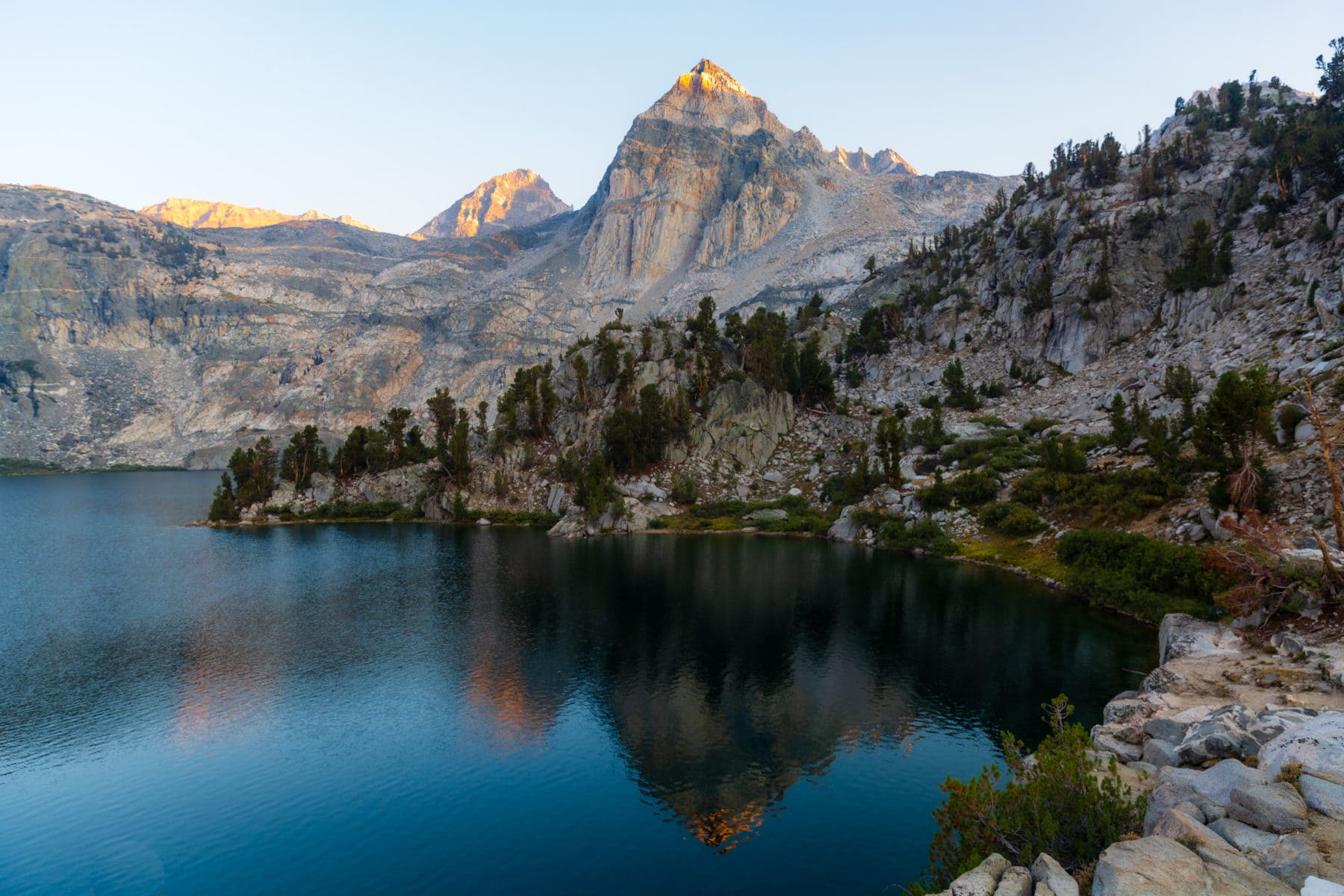
The first was in high school, and the last three were in 2019, 2020, and 2021. I’ve backpacked into the famous Rae Lakes Basin. I’ve stood on the top of Mount Whitney. I’ve stared up at the towering General Grant Tree.
It’s a beautiful National Park that Sequoia slightly overshadows. Most people combine the two on a visit, and many may not notice the differences. Inside, you’ll find everything you need to plan an awesome trip, including a Kings Canyon National Park itinerary. Thanks for reading my Kings Canyon National Park guide; I hope it helps steer you in the right direction!
Traveler’s Guide to Kings Canyon National Park in California
Two Days is Enough Here
This might ruffle some feathers, but for the drivable sections of Kings Canyon National Park, you don’t need more than two days. Honestly, you could probably do a really long day and knock out a lot of the more popular areas. That said, you won’t be doing a long hike.
But if you want to hike the eight-mile Mist Falls trail or explore the valley further, plan to spend two days in Kings Canyon.
Kings Canyon National Park is a Backcountry Paradise
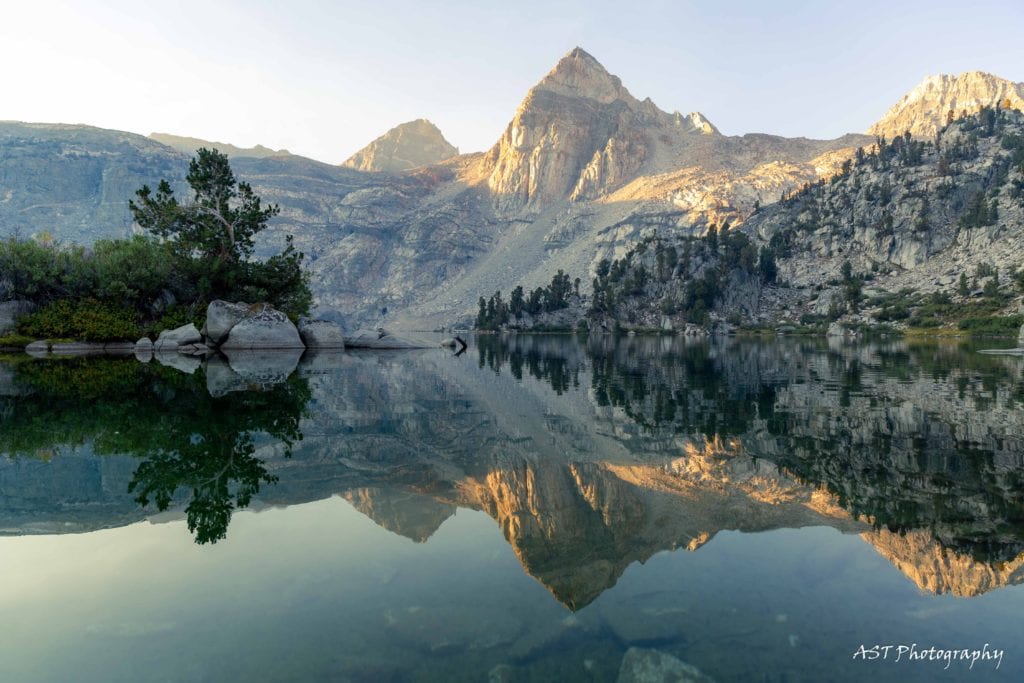
If we use a spectrum analogy, Kings Canyon National Park leans heavily toward the backcountry side. It’s mesmerizing, with sparkling lakes, beautiful mountains, and endless hiking trails. I’ve only backpacked to Rae Lakes, but there is so much more to explore here, and I can’t wait to return to these peaks and valleys.
The trails are also quite nice back here, thanks to the PCT cutting through the heart of Kings Canyon National Park and Sequoia National Park. One area that may spark your interest is Evolution Valley or Evolution Basin (which is the same place). Rumor has it it’s among the most beautiful places on the PCT.
I would also add that the drivable portion of Kings Canyon is nice, and you should drive to Roads End, but it is not much different from what you can see from Panorama Vista. The true magic of Kings Canyon lies hundreds of miles after the pavement stops.
Is Kings Canyon National Park worth visiting?
Kings Canyon is 100% worth visiting, but as I’ve mentioned, the parts most people see aren’t as grand as other California destinations. It’s still worth a trip, even if you drive to the end and make sure you see the sights.
Easy Booking: Expedia.com | Hotels.com | VRBO | Booking.com | Airbnb.com
Need Gear: Find Gear at REI
Find Awesome Tours: Viator.com or GetYourGuide.com
First time here? Stay in touch by following on IG: @Alecoutside and my newsletter
Iceland on your bucket list? Get my Iceland guide + 144 pinned locations on Google Maps
Please stay safe out there and follow Leave No Trace principles as best you can.
Do I need to hike with bear spray in Kings Canyon National Park?
You may see a bear on a hike, but don’t fret; California has only black bears. Because of this, you don’t need bear spray. Technically, for some reason, bear spray is considered a weapon, and you can’t even bring it into the park.
If you cross a bear, use common sense: don’t feed it, and talk loudly to scare it off. 99% of bears don’t want anything to do with you.
Visitor Centers and Cell Service
The Kings Canyon Visitor Center sits in Grant Grove Village and stays open year-round, with reduced hours in winter. It’s the best stop for current trail conditions, wilderness permit questions, and the Junior Ranger program if you’re traveling with kids. The smaller Cedar Grove Visitor Center operates only in the warmer months, roughly late May through early October, matching the byway’s seasonal closure.
Cell service inside the park is unreliable at best and nonexistent through most of the canyon. I’ve had a signal briefly near Grant Grove Village and nowhere else. Download offline maps, save your permit confirmation and campground reservation as a screenshot or printout, and tell someone your general plan before you lose signal on the drive in.
Entrance Fees and Passes
One fee covers both Sequoia and Kings Canyon National Parks, since they’re administered as a single unit. In 2026, a private vehicle pass costs $35 and covers seven consecutive days at both parks plus the Hume Lake Ranger District. Motorcycles run $30, and entering on foot or by bike costs $20 per person age 16 and up. If you’re making more than two trips a year to this pair of parks specifically, the $70 annual pass beats paying per visit, and the $80 America the Beautiful pass covers this park plus every other fee-charging federal site nationwide for a year.
Non-U.S. residents age 16 and older owe an additional $100 per person at the entrance station unless they’re holding an annual or interagency pass, so factor that in if you’re visiting from outside the country. One more thing worth knowing before you drive up: entrance stations are cashless now, cards only, so don’t plan on paying with bills unless you’ve bought a pass online ahead of time.
Getting There and Road Conditions
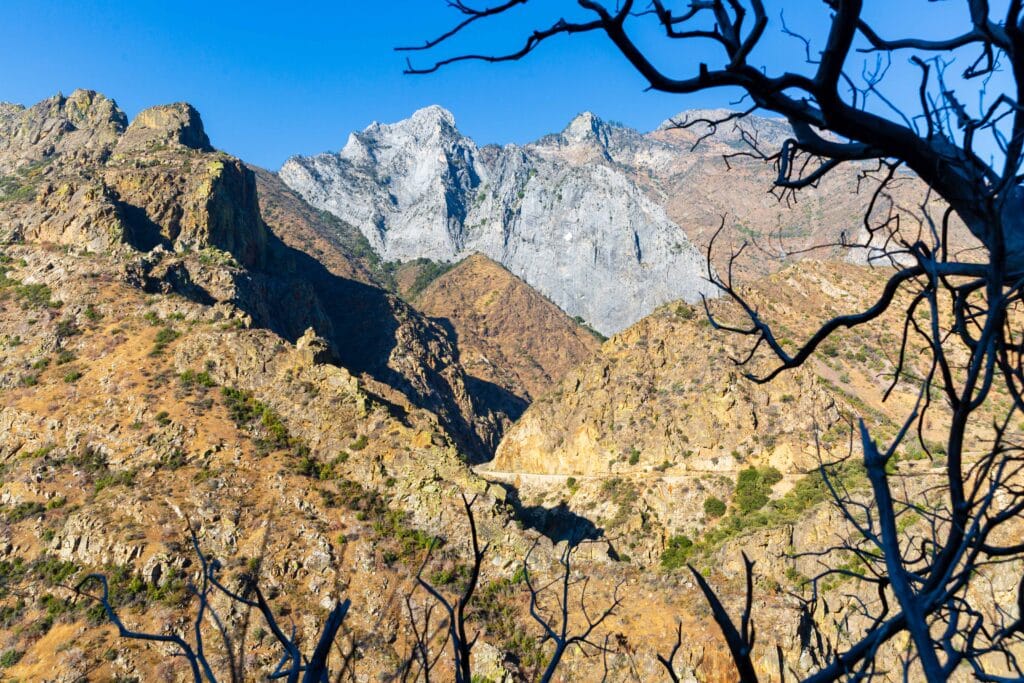
The only way into Kings Canyon by car is California 180 out of Fresno, through the Big Stump entrance. From Fresno it’s roughly an hour and a half to Grant Grove Village, and from there the Kings Canyon Scenic Byway continues another hour or so down into Cedar Grove and Road’s End, dropping close to 4,000 feet along switchbacks cut into the canyon wall.
That byway closes seasonally. Snow typically shuts the road past Grant Grove sometime in November, and it doesn’t reopen down to Cedar Grove until late April or early May most years, depending on that winter’s snowpack. Grant Grove itself stays open year-round, plowed and accessible for snowshoeing and the General Grant Tree, but if your trip depends on reaching Cedar Grove, Zumwalt Meadow, or Road’s End, check the park’s current road conditions page before you drive out, especially in the shoulder months.
One more planning note: Kings Canyon has no gas stations or EV charging stations inside. The closest gas is in Grant Grove Village or back toward Squaw Valley on 180. Fill up before you commit to the scenic byway.
Best Things to Do in Kings Canyon National Park
1. General Grant Tree
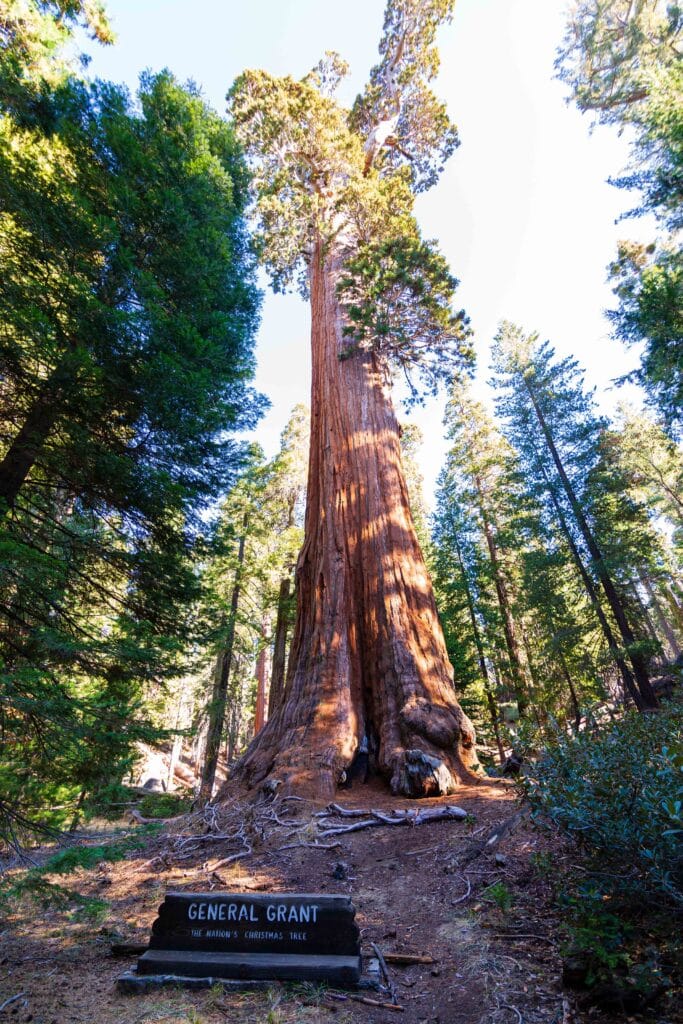
Most visitors detour off Highway 180 for the General Grant Tree. It stands 267 feet tall, is more than 1,650 years old, and ranks as the second-largest tree on Earth by volume behind the General Sherman in Sequoia.
The loop trail to see it is paved, under a third of a mile, and flat enough for anyone, and it’s usually the first stop after the Big Stump entrance. Get there before 10 a.m. in summer if you want the grove without a crowd around the base.
2. Roaring River Falls
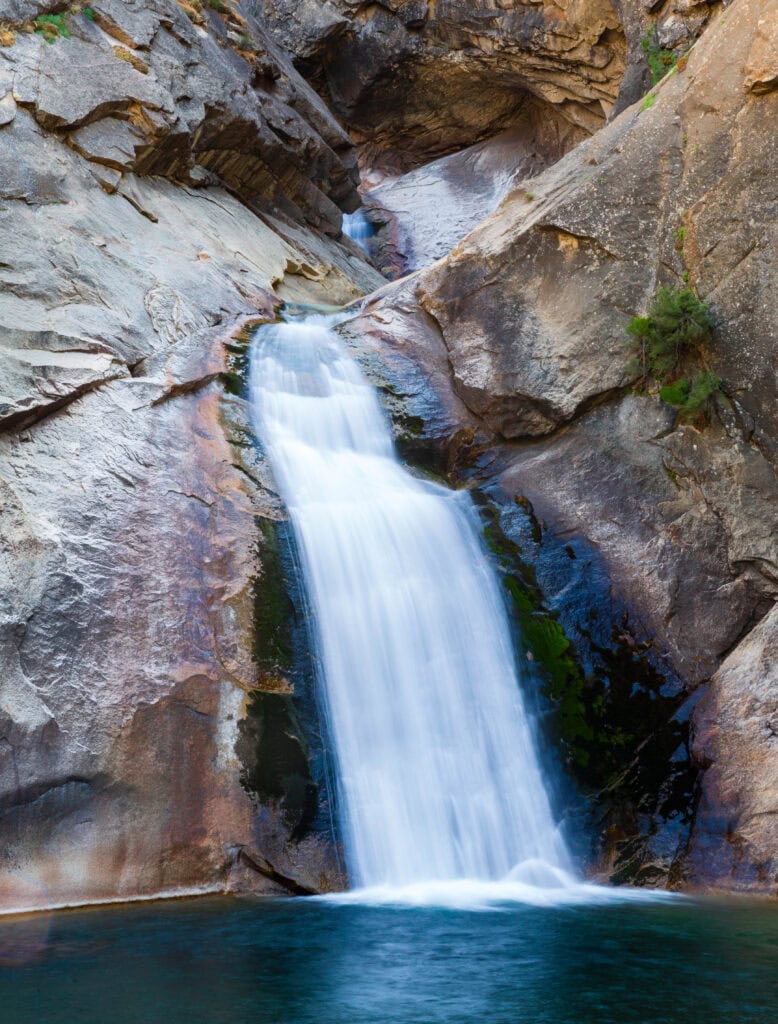
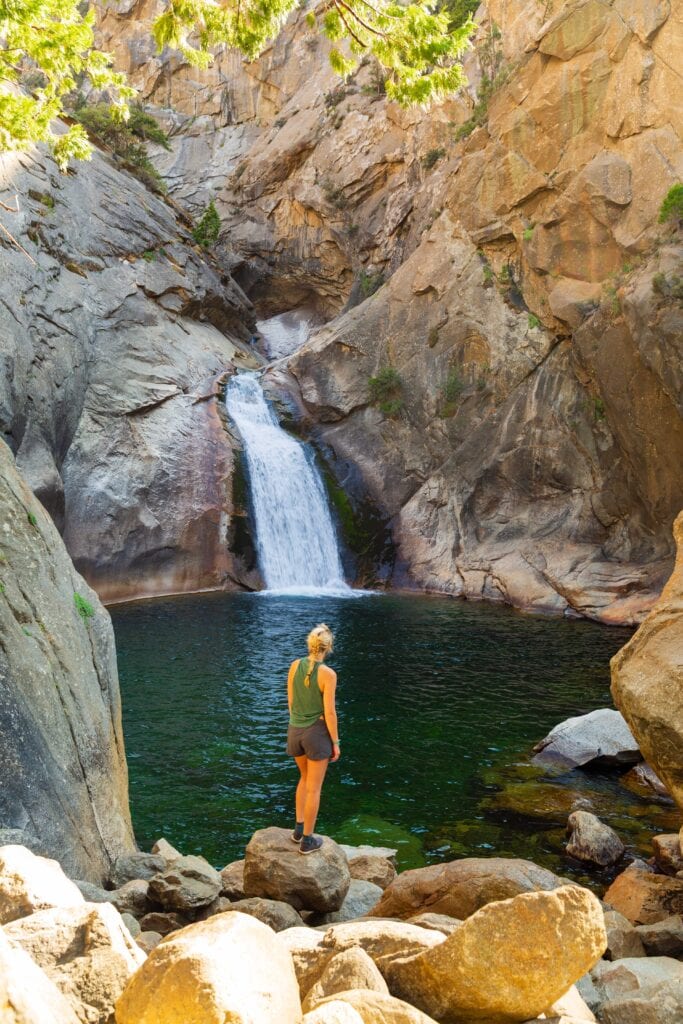
Roaring River Falls is a powerful waterfall that rushes through a narrow granite chute. The falls are just a short walk from the parking area, and a paved trail leads through a shady forest to the viewing area.
This makes Roaring River Falls an ideal stop for visitors of all ages and abilities, offering a quick yet rewarding experience. The waterfall peaks in spring and early summer, fed by snowmelt from the surrounding mountains. The cool mist and rushing water create a refreshing destination, especially during the warmer months.
3. Panoramic Point
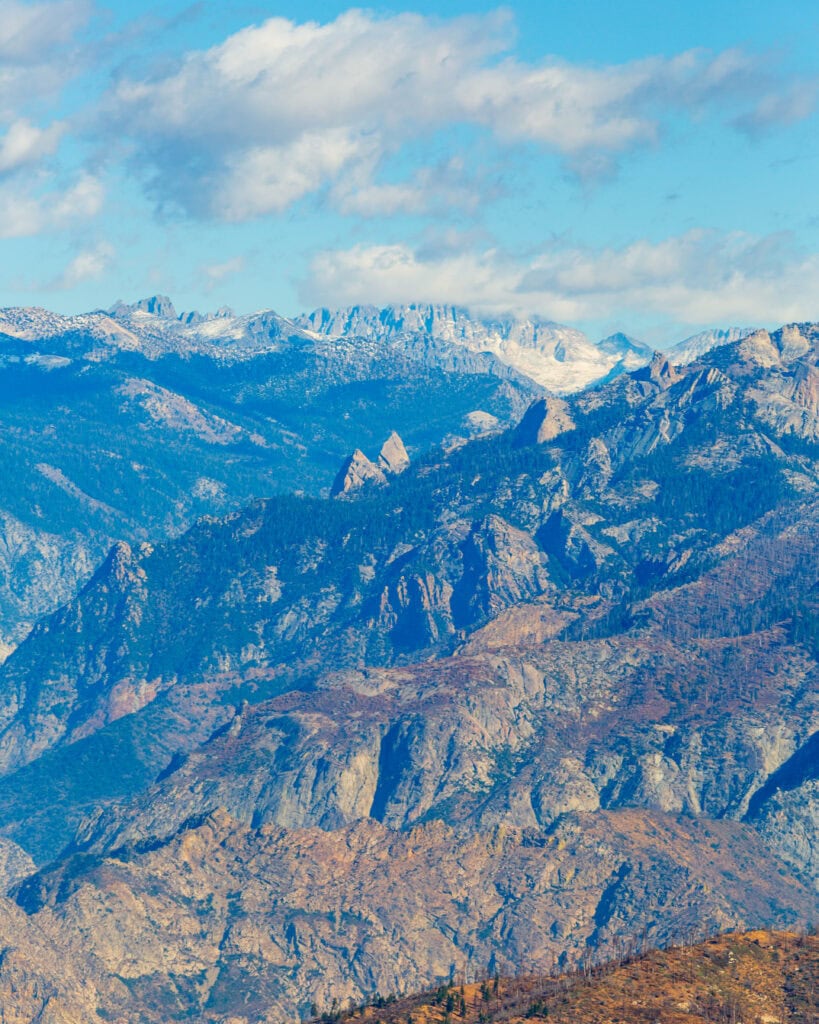
Panoramic Point is aptly named. It offers breathtaking 360-degree views of the High Sierra, including landmarks like Hume Lake and the San Joaquin Valley. A short but steep trail makes it a manageable hike for most visitors. At the top, you’ll be rewarded with stunning vistas stretching for miles, offering an excellent opportunity for photography or simply soaking in the scenery.
It’s particularly striking at sunrise or sunset when the light casts dramatic shadows across the rugged landscape. For those looking to extend their adventure, the trailhead also leads to the longer, more challenging Park Ridge Trail.
4. Mist Falls
Mist Falls is one of Kings Canyon National Park’s largest waterfalls and a highlight for hikers seeking a moderately challenging trek. The trail to Mist Falls follows the South Fork of the Kings River, winding through a diverse landscape of forests, granite cliffs, and wildflower-filled meadows.
It’s about 8 miles round trip, with a gradual incline that steepens as you approach the falls. The waterfall is a stunning sight, with water cascading down rocky steps and creating a refreshing mist that cools the air. This hike blends natural beauty with physical challenge, making it a favorite among park visitors.
5. Zumwalt Meadows

Zumwalt Meadows is one of Kings Canyon’s most picturesque spots. It offers a wide open area surrounded by towering granite walls and lush greenery. The loop trail around the meadow is about 1.5 miles long and relatively flat. As you walk, you’ll encounter diverse habitats, including riverbanks, forests, and open meadows, each home to various plants and wildlife.
Colorful wildflowers often dot the meadow in spring and early summer, adding to its scenic beauty. Zumwalt Meadows is a perfect spot for a leisurely hike, photography, or simply enjoying the canyon’s serene atmosphere.
6. Walk Around Hume Lake (not technically KCNP)
Hume Lake is located just outside Kings Canyon National Park, but is a worthwhile destination for those seeking a peaceful, scenic walk. The 2.8-mile trail around the lake is relatively flat and easy, making it accessible for families and visitors of all ages. Along the path, you’ll enjoy views of the lake’s clear waters, surrounded by dense pine forest and the majestic Sierra Nevada mountains in the distance.
Hume Lake also offers fishing, kayaking, and picnicking, making it a versatile day-trip destination. Whether you’re looking for a leisurely walk or a place to relax and unwind, Hume Lake provides a serene natural setting.
7. Redwood Canyon and Sugar Bowl

Redwood Canyon is one of the world’s largest groves of giant sequoias, offering a more secluded experience than the more popular Grant Grove. The Sugar Bowl loop within Redwood Canyon is a challenging yet rewarding hike through a dense forest of ancient sequoias, ferns, and wildflowers.
The trail is about 6 miles long and features a mix of uphill and downhill sections, providing a more immersive experience of the park’s natural beauty. As you hike, you’ll encounter towering sequoias that have stood for centuries and a variety of wildlife that calls this pristine forest home.
This area sees fewer visitors, making it an excellent choice for those seeking solitude and a deeper connection with nature.
8. Big Baldy Ridge Trail
The Big Baldy Ridge Trail is a moderately strenuous hike that rewards visitors with sweeping panoramic views of the surrounding mountains and valleys. The trail is about 5 miles round trip and follows a ridgeline, offering stunning vistas at every turn. As you trek out to the summit of Big Baldy, you’ll traverse a diverse landscape of forests, rocky outcrops, and open meadows.
The final ascent to the ridge provides a breathtaking 360-degree view, making it a perfect spot for photography or simply taking in the grandeur of the Sierra Nevada. It’s an ideal hike for those looking for a bit of a challenge with the payoff of incredible scenery.
9. Big Stump Loop
The Big Stump Loop is a fascinating trail that takes you through the remnants of the park’s early logging history. The 2-mile loop features several giant sequoia stumps, including the famous “Mark Twain Stump,” where visitors can climb onto the stump to appreciate the size of these ancient giants.
Informational signs along the trail provide insight into the area’s history and the conservation efforts that followed the logging era. The hike is relatively easy, with gentle terrain and shaded areas, making it suitable for families and history enthusiasts. Walking this trail offers a unique perspective on the park’s past and the importance of preserving these magnificent trees for future generations.
10. Ella Falls Loop
Ella Falls is a quieter, less-visited waterfall reached by a short loop trail near Hume Lake. It doesn’t get the traffic Roaring River Falls does, mostly because it isn’t visible from the road, and that alone makes the extra fifteen minutes of driving worth it if you want a waterfall without an audience.
Kings Canyon National Park Itinerary
1-Day Itinerary Guide to Kings Canyon
If you’re only doing a day, start early and don’t return until after sunset.
- Start your morning at the General Grant Tree and walk the half-mile-to-a-mile loop trail.
- Take a short hike up to Panoramic Point Overlook
- Start driving down to Roads End; stop at Hume Lake to stretch your legs
- Explore Zumwalt Meadows and Roaring River Falls

2-Day Itinerary Kings Canyon Guide
Day 1: Focus on Giant Sequoias and some shorter hiking trails. I don’t expect people to do all of these, but combine a couple!
- Head down into Redwood Canyon and hike around the Sugar Bowl. The full loop is 10 miles, but you can shorten it. [CURRENTLY CLOSED DUE TO FIRE. Check updates for the 26/27 season.]
- Big Baldy Ridge Trail: a 5-mile trail offering nice views looking west into the valley below
- Viola Falls: Moderate 4-mile trail near the General Grant Tree to a small waterfall.
- Head over to General Grant Grove and see the nation’s Christmas Tree
- Spend Sunset at Panoramic Point Overlook
Day 2: Head down into Kings Canyon and feel small.
- Get an early start on things and drive down into the canyon. Stop at Hume Lake for some breakfast and coffee (if things are open, seasonality dependent)
- Check out Roaring Falls and Zumalt Meadows
- Mist Falls: One of the most popular trails at Roads End. 8 miles round trip
- Bailey Bridge Loop: 4-5 mile option that is mostly flat from Roads End. This is an easier and quicker option.
If you’re considering a third day, smash together these and tackle the ones you haven’t done yet.
Related Articles
Top hikes in Sequoia National Park
Hiking Moro Rock in Sequoia
General Sherman Tree Guide
When is the best time to visit Kings Canyon National Park
The General Grant Tree sits around 6,300 feet in elevation, so it sees winter conditions, but in summer it offers incredible weather and a reprieve from hot inland temperatures.
The short answer to when the best time to visit Kings Canyon National Park is throughout the summer months. That said, that’s also when everyone else is visiting! In the summer, temperatures hover in the 70s/80s, with them rising as you drop in elevation throughout the region.
But if you want fewer crowds, winter, spring, and fall offer more solitude on the trails, cheaper lodging, and (possibly) fewer amenities.
When is backpacking season?
Backpacking is one of Kings Canyon National Park’s best attributes. The park’s backcountry is a gold mine, but because of its high elevation, it’s mostly a summer and fall activity.
Take the famous Rae Lakes Loop. Glenn Pass, on the southern side of Rae Lakes Basin, sits just under 11,000 feet, and the lakes are around 10,500 feet. They will hold snow much longer into the season than many expect.
Dozens of routes run through the Kings Canyon backcountry, and you can always build your own by connecting trails for an amazing trip. If you’re looking for ideas, call the park, and they will be happy to chat with you!

Places to Stay in the Area Around Kings Canyon National Park
On my non-backpacking/Whitney trips to Kings Canyon National Park, I’ve camped in a campground and stayed in a hotel in Visalia. Both are good options, and I’ll elaborate on them below.
Camping
Click here for details on Kings Canyon Camping
Grant Grove Area
Grant Grove has three campgrounds: Sunset, Azalea, and Crystal Springs. Azalea stays open year-round and takes some walk-up sites in winter; Sunset and Crystal Springs run seasonally and are reservable through Recreation.gov in summer.
This is the most convenient base if you’re splitting time between Kings Canyon and the General Grant Tree area.
- Azalea Campground
- Location: Near Grant Grove Village.
- Details: First-come, first-served.
- Amenities: Flush toilets, drinking water, fire rings, picnic tables.
- Best For: Proximity to Grant Grove and convenience for late arrivals.
- Crystal Springs Campground
- Location: Just below Grant Grove Village.
- Details: Group camping available; reservations required for groups.
- Amenities: Flush toilets, drinking water, fire rings, picnic tables.
- Best For: Groups or families who want an easy base for exploring Grant Grove.
- Sunset Campground
- Location: Close to Grant Grove Village and Highway 180.
- Details: Open seasonally; reservations available in peak season.
- Amenities: Flush toilets, drinking water, fire rings, picnic tables.
- Best For: Families and those looking for a quieter spot near Grant Grove.
Cedar Grove Area
Cedar Grove has four campgrounds: Sentinel, Sheep Creek, Canyon View, and Moraine, all open only in the warmer months since the road in closes for winter. Sentinel is the largest and fills first on summer weekends.
Staying here puts you on the canyon floor, minutes from Zumwalt Meadow and the Mist Falls trailhead, saving real time compared with commuting down from Grant Grove each day.
- Sentinel Campground
- Location: Near Cedar Grove Village.
- Details: Open seasonally, reservations available.
- Amenities: Flush toilets, drinking water, fire rings, picnic tables.
- Best For: Access to Cedar Grove Village and nearby trails.
- Sheep Creek Campground
- Location: Near Sentinel Campground.
- Details: First-come, first-served.
- Amenities: Flush toilets, drinking water, fire rings, picnic tables.
- Best For: A more secluded option in the Cedar Grove area.
- Moraine Campground
- Location: South of Cedar Grove Village.
- Details: Open seasonally, first-come, first-served.
- Amenities: Flush toilets, drinking water, fire rings, picnic tables.
- Best For: Quiet camping with easy river access.
- Canyon View Campground
- Location: Adjacent to the Kings River.
- Details: Group sites only; reservations required.
- Amenities: Flush toilets, fire rings, picnic tables, drinking water.
- Best For: Group camping with river proximity.
Road’s End Area (Cedar Grove Wilderness Gateway)
Ideal for hikers venturing into the wilderness.
- Road’s End Permit Camping
- Location: Near the Road’s End trailheads.
- Details: Primitive sites for backpackers with wilderness permits.
- Amenities: Limited facilities; permits required.
- Best For: Backpackers setting out on multi-day trips.
Hotels
Your best bet for hotels is in the Fresno or Visalia valley. However, some lodging sites are higher up near the park boundaries. The Wuksachi Lodge is in the middle of Sequoia and Kings Canyon, making it a great place to spend your trip.
FIND LODGING NEAR KINGS CANYON
Frequently Asked Questions
No, they’re two separate national parks, but the National Park Service manages them jointly, and one entrance fee covers both. Kings Canyon sits to the north and requires its own drive through the Big Stump entrance off Highway 180.
Two days cover the park well: one for Grant Grove and the giant sequoias, one for the canyon floor at Cedar Grove. One long day works if you only want the highlights near the entrance and want to skip the drive down to Road’s End.
No timed-entry reservation is required to enter the park itself, unlike some parks such as Arches or Glacier. You do need a wilderness permit, reserved separately through Recreation.gov, for any overnight backcountry trip.
No. Snow typically closes the road past Grant Grove in November and reopens to Cedar Grove in late April or early May most years, depending on that winter’s snowpack. Grant Grove itself stays open all year.
May and September, if your schedule allows it. Both months keep the scenic byway open with far fewer cars than the June through August peak, and September adds fall color in the canyon.
Yes, though it’s a full day. Fresno to Grant Grove takes about an hour and a half, and getting to Cedar Grove and back adds another two to three hours of driving, plus whatever time you spend on trails, so start early.
Dogs are allowed in developed areas: campgrounds, parking lots, and paved paths like the General Grant Tree loop, but not on trails, in the backcountry, or on the Big Stump, Zumwalt Meadow, or Mist Falls trails. If hiking is the point of your trip, leave the dog with a sitter or plan a separate trip built around the paved viewpoints.
Yes, with a valid California fishing license, you can fish the Kings River and its tributaries in season. Rainbow and brown trout are the common catch. Rules vary by stretch of river; some sections are catch-and-release, artificial-lures-only, so check current regulations at a visitor center before you cast.
Wrapping up this Kings Canyon National Park Guide
Kings Canyon is absolutely beautiful, but its gems are far from where most people can drive. It’s a great addition to a Sequoia National Park trip, with its own highlights. But for those looking to hit the trails and spend nights under the stars, Kings Canyon offers some of the best adventures.
I hope this Kings Canyon National Park guide inspires you to head into the Sierra Nevada mountains and chase some stunning sights!
Until next time, adventurers, stay safe.
Follow on social media: TikTok || Instagram || Facebook || Newsletter | YouTube