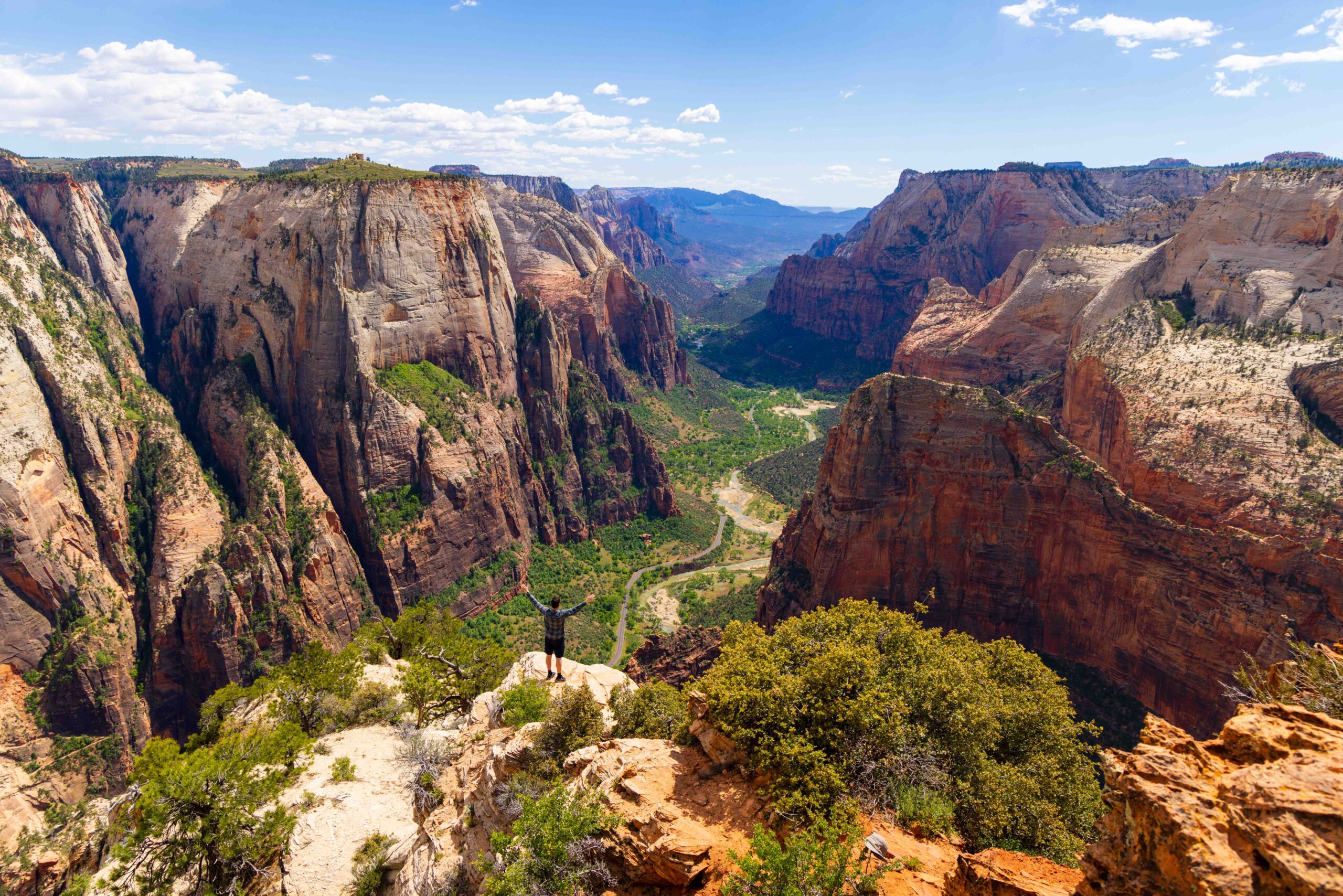
20 Best Things to Do in Zion National Park
One of the gems of America’s public lands is Zion National Park. Sitting in southwest Utah, there are a wild number of things to do in Zion that will make any outdoor lover shed a few tears of joy. From massive canyon walls to rugged terrain and a never-ending flow of water, Zion National Park and southern Utah are a stunning place to visit.
I’ve been to Zion at least four times over my life, starting when I was just a little kid climbing Angels Landing, to most recently proposing to my now-wife on the top of the canyon at Observation Point.
I hope this guide of things to do in Zion National Park points you in the right direction and makes trip planning a little easier.
What I consider the best things to do in Zion National Park
1. Hike Angels Landing or Observation Point
My two favorite hikes in Zion National Park, and an easy 1A/1B for the best things to do here.
Angels Landing

First, the iconic Angels Landing. I can’t precisely remember the first time I did it, but I was around 10 years old. I’ve done it multiple times since then, and it’s always a beauty.
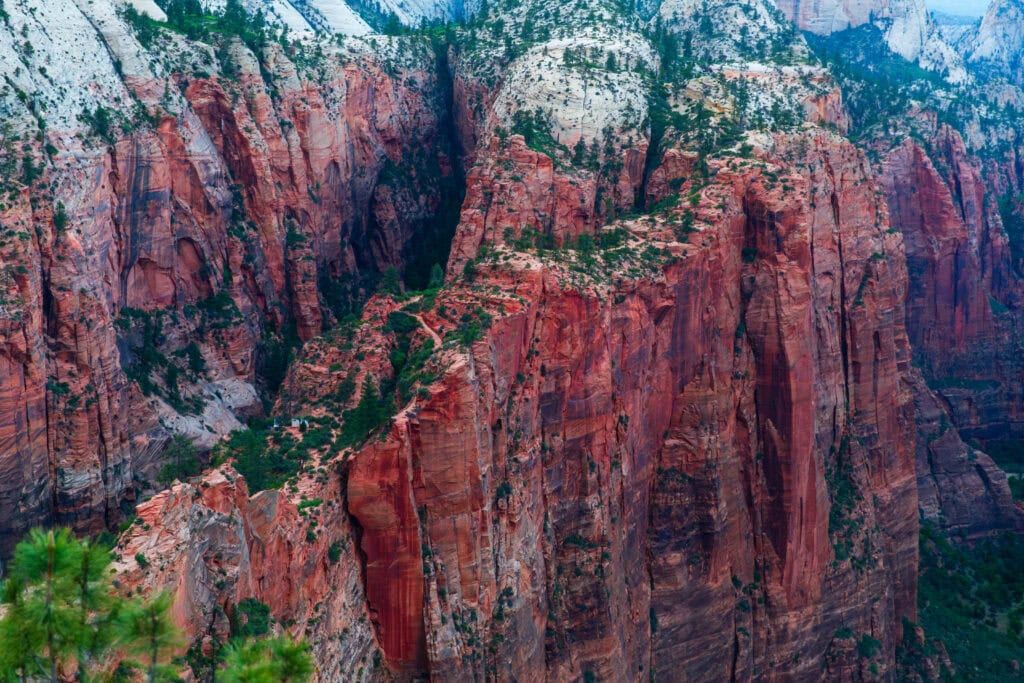
The 5.4-mile trail with 1,500 feet of gain starts easy and quickly gains elevation as you work your way up the side of the canyon. Soon thereafter, you reach The Wiggles, a series of very tight switchbacks that take you up to Scout Lookout. Up to here, you don’t need a permit.


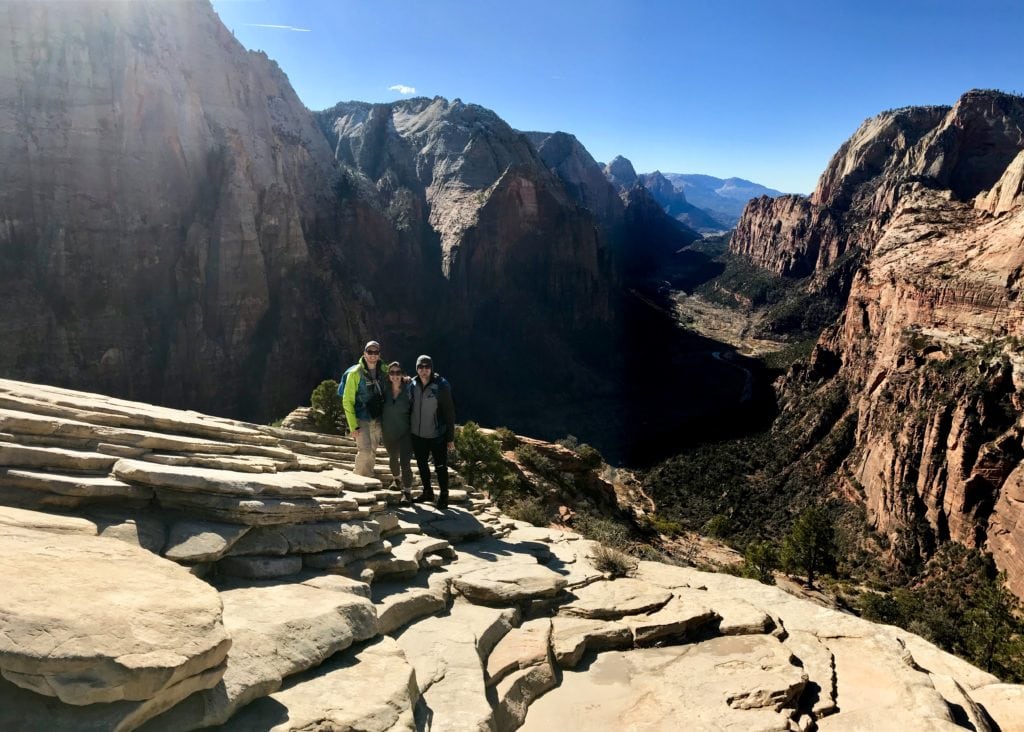
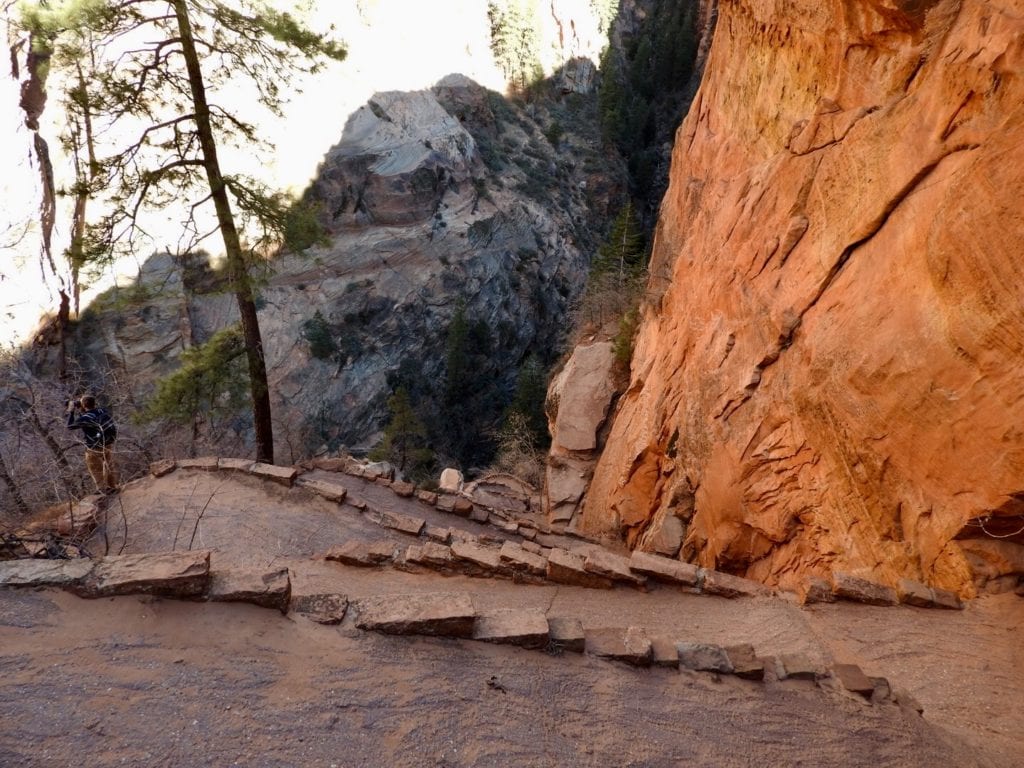
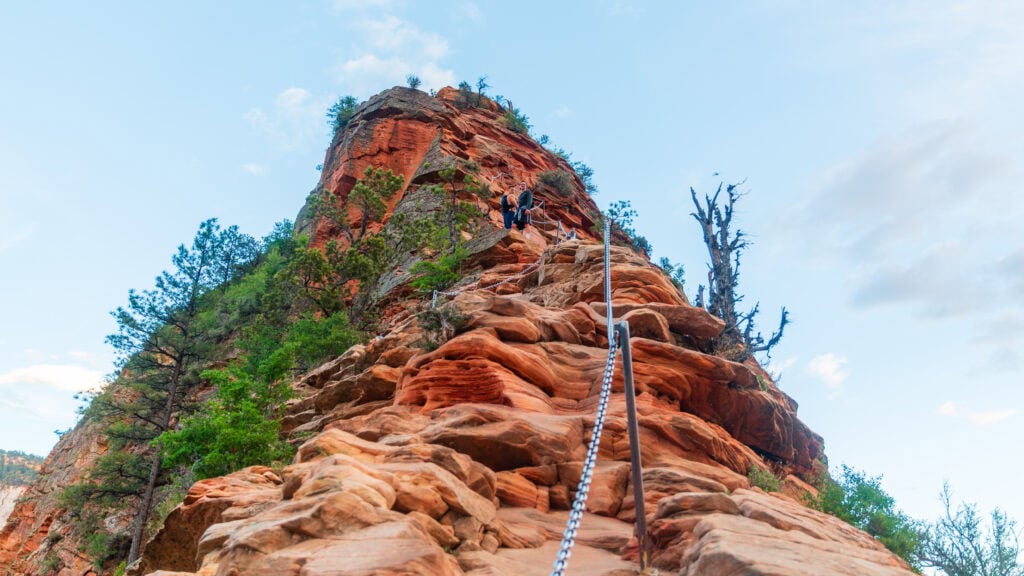
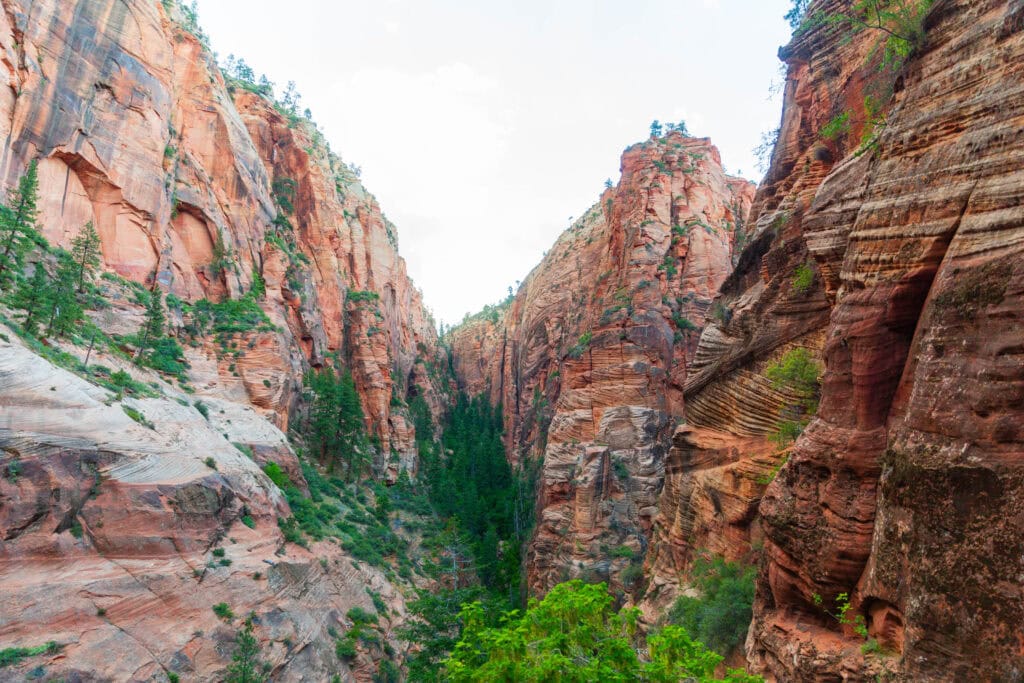
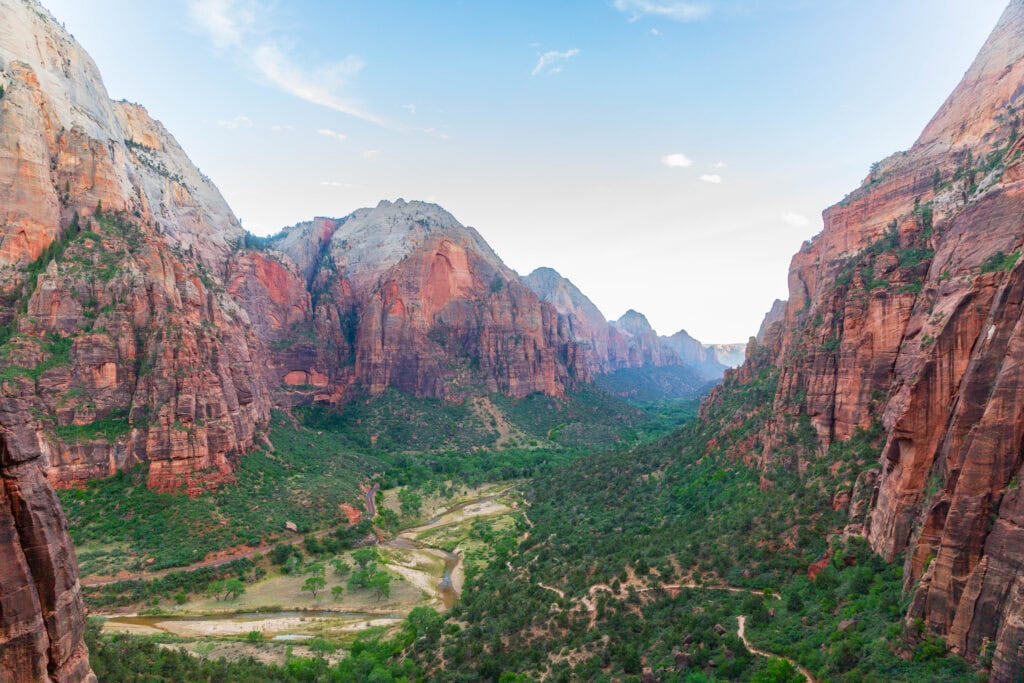
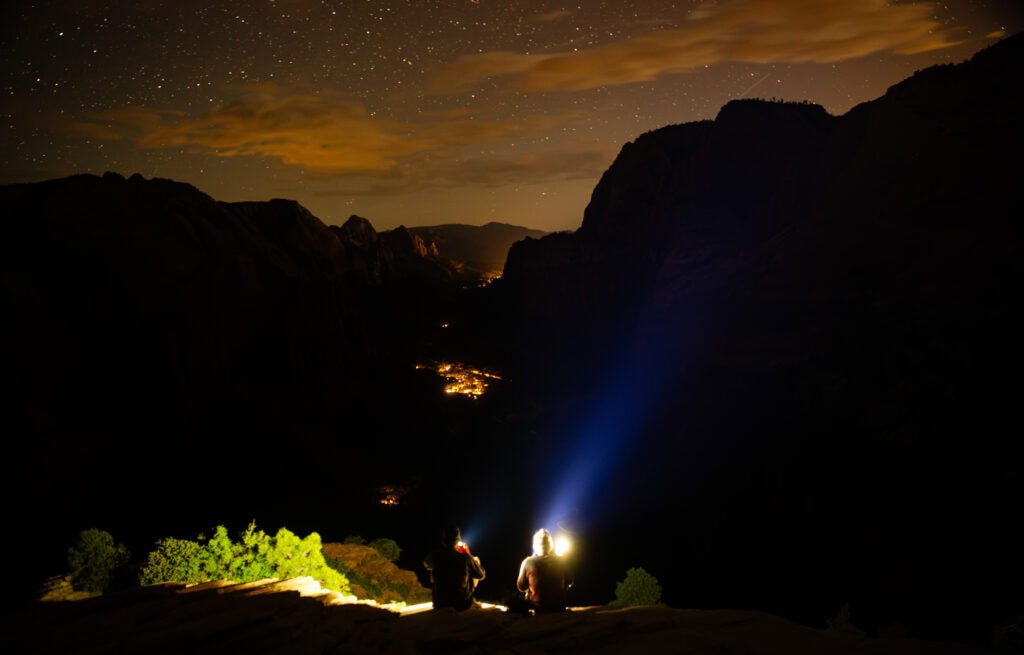
To continue hiking up the chained section to the top of Angels Landing, you need a permit, which you can get the day before or through one of the four seasonal lotteries.
People talk about the dangers, but I honestly don’t think it’s that gut-wrenching. Sure, you’re close to some cliff edges, but you’d have to be a bit reckless to go over. (Icy conditions notwithstanding.) Take your time, stay safe, and aim to get up early when there’s less traffic.
- AllTrails
- Distance: 5.4 miles
- Elevation Gain: 1,500 feet
- Difficulty: Moderate to Hard
Observation Point

I’ve done this trail twice. Once in 2018 and again in 2024. Due to a trail closure, I’ve experienced both routes to the scenic overlook.
In 2018, you could hike from the canyon floor, going up switchbacks and a final awesome ascent along sheer edges to Observation Point. However, a rockslide and sketchy conditions have kept it closed for the last half-decade or more.
Now, the standard route is from the plateau above Zion Canyon, a ways away from the main hustle and bustle. You have to drive an hour from Springdale to the East Mesa Trailhead (aka just down the road from Zion Ponderosa Ranch Resort).
We parked at their resort and paid for a shuttle to get there. The roads can be quite muddy with big ruts. A 4Runner or Jeep would have no issue, but we didn’t have one.


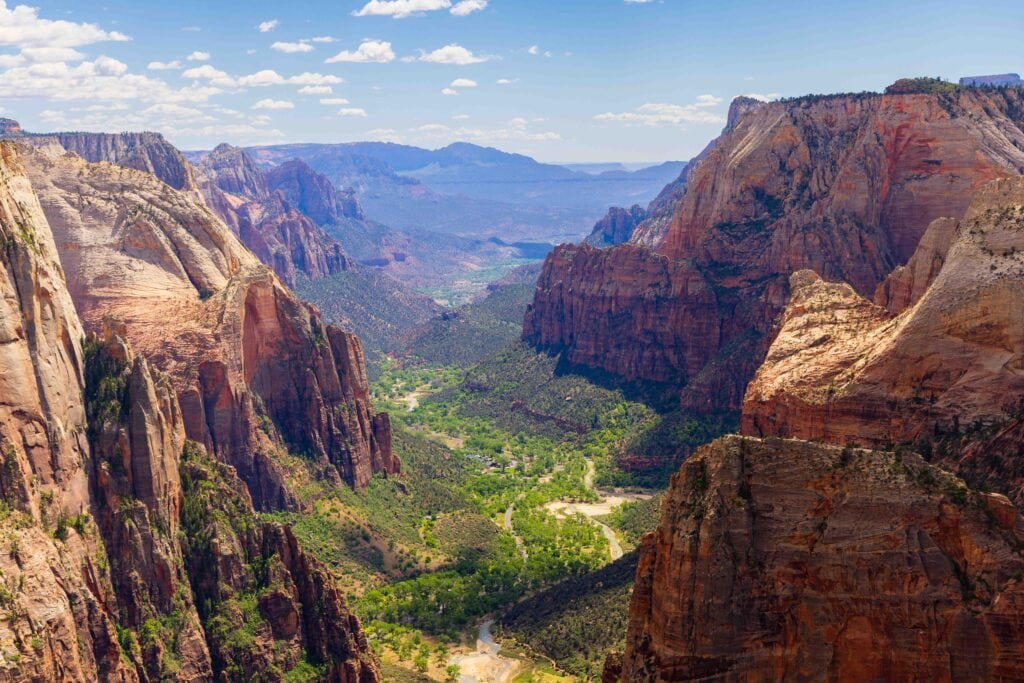
The trail is incredibly straightforward and pretty easy. The worst part is that most of it is exposed, so bring plenty of water, a hat, and sunglasses. Otherwise, it’s a fantastic hike, and the view at the cliff’s edge is jaw-dropping.
It’s so good that I proposed to my wife there in 2024.
- AllTrails
- Distance: 7 miles
- Elevation Gain: 650 feet
- Difficulty: Easy/Moderate
Easy Booking: Expedia.com | Hotels.com | VRBO | Booking.com | Airbnb.com
Need Gear: Find Gear at REI
Find Awesome Tours: Viator.com or GetYourGuide.com
First time here? Stay in touch by following on IG: @Alecoutside and my newsletter
Purchase my 2027 Scenic Calendar
Please stay safe out there and follow Leave No Trace principles as best you can.
2. Explore the Narrows

The Narrows are a gem, but they’re not for everyone.
Hiking the Narrows is definitely one of the best things to do in Zion National Park, but it requires trekking through ankle-deep and chest-high water and walking on unsteady terrain. Oh, did I mention it can be quite cold?
The last time I did it, way back in 2018, we didn’t go more than a mile or two up the canyon, and water levels were low, and the temperature felt good. But other places have much faster currents, and it can get dangerous.
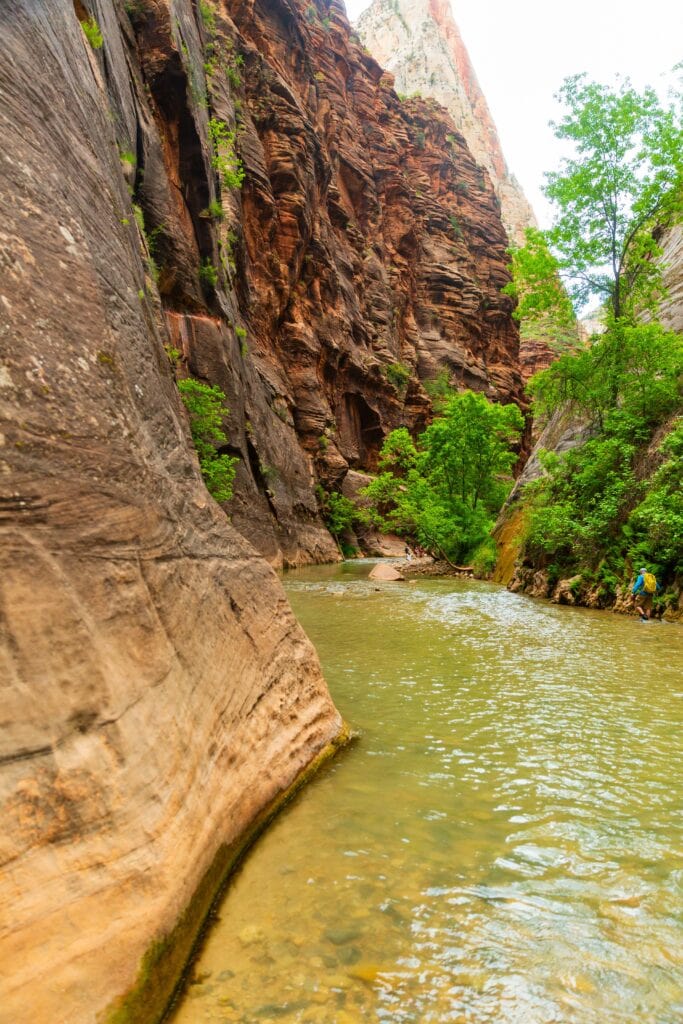
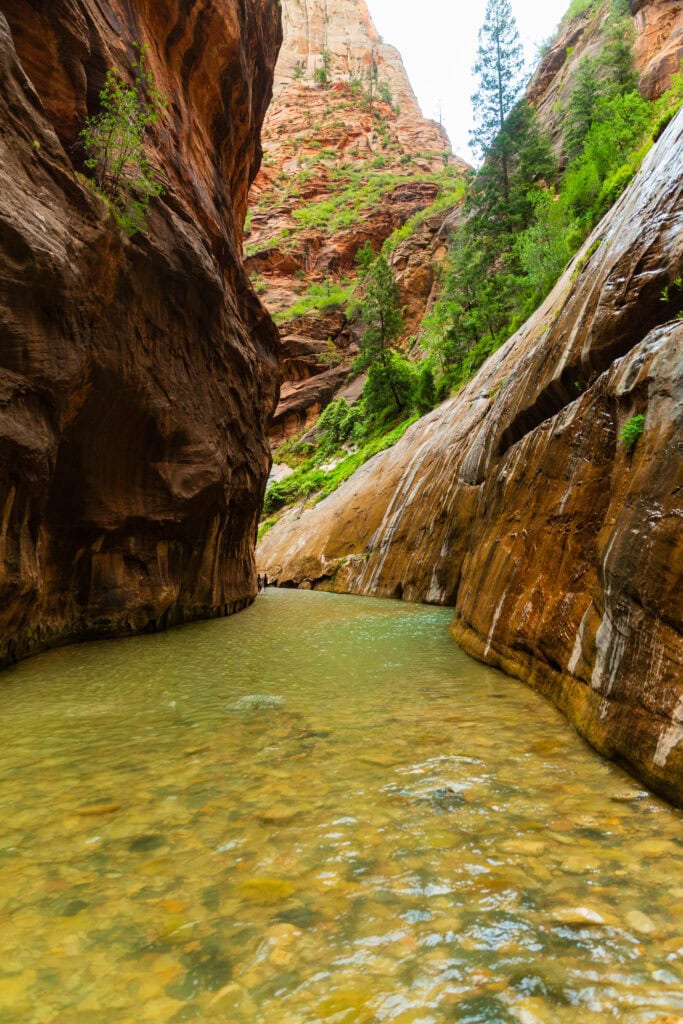
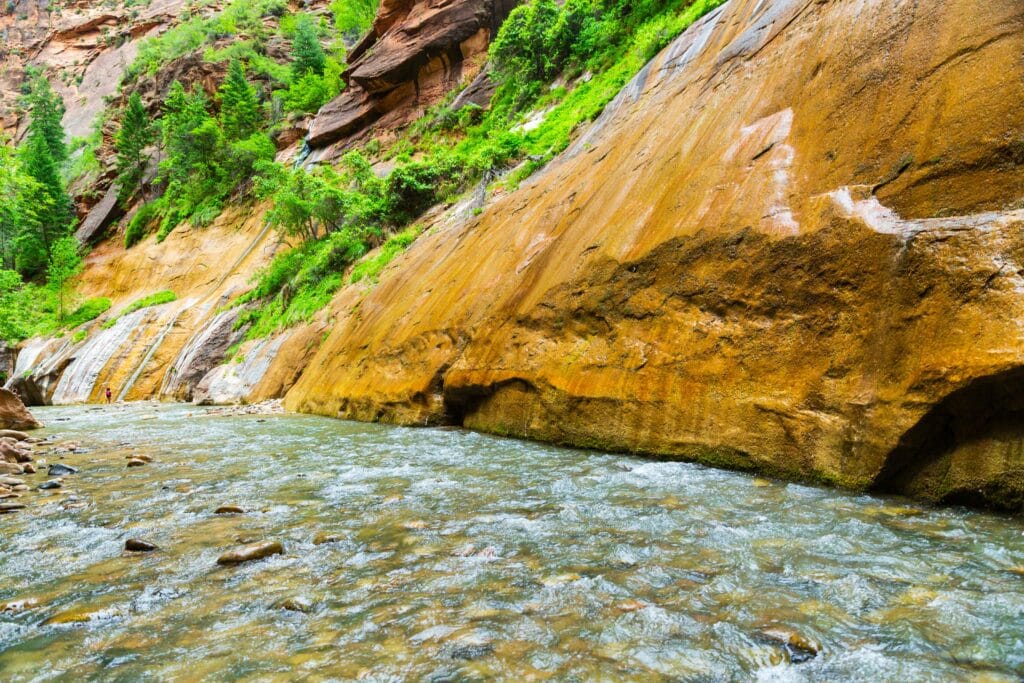
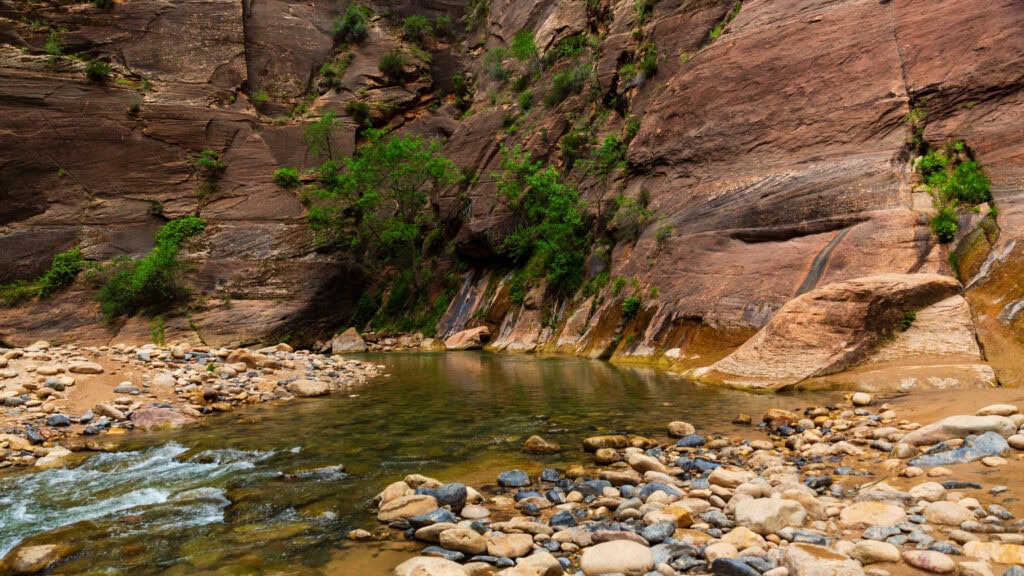
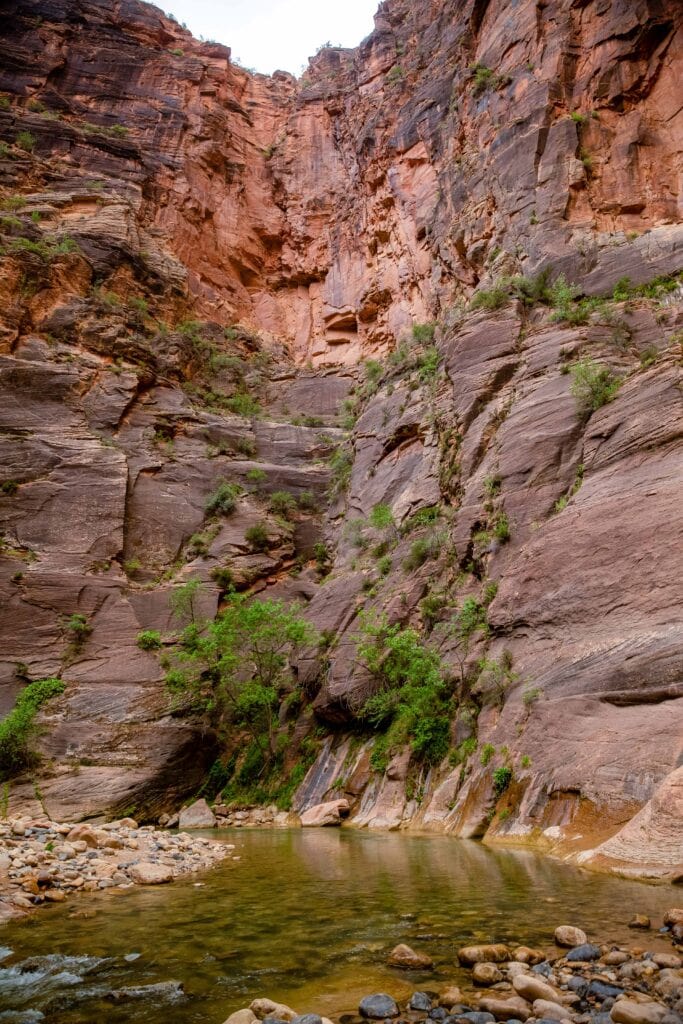
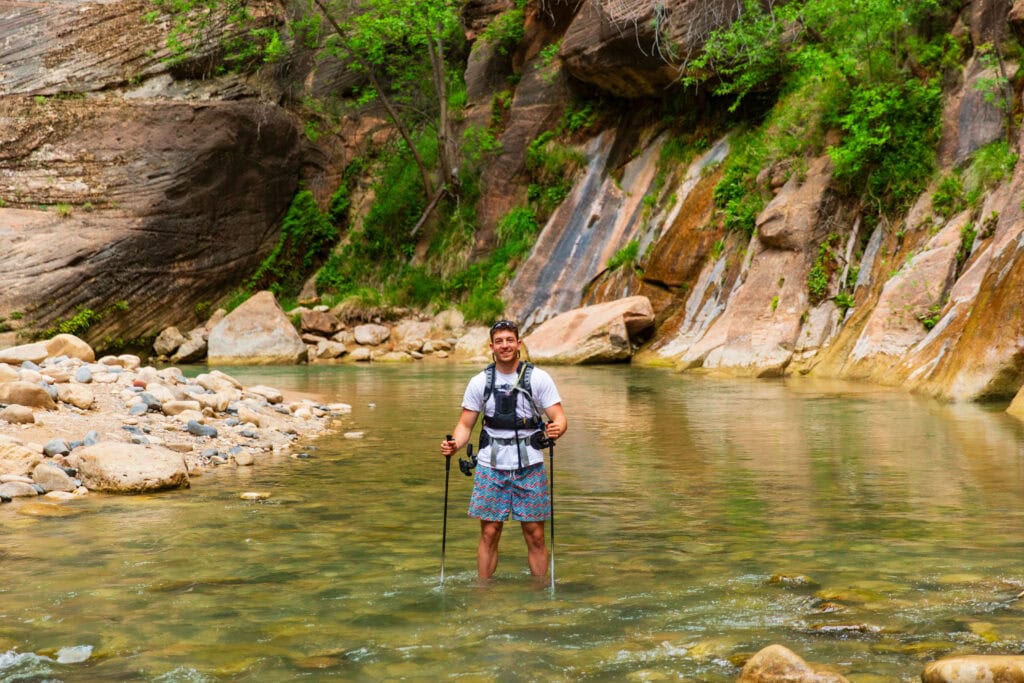
First, check whether it’s open (water levels and bacteria) and whether there are any warnings in place. Second, rent wading gear if you plan to spend a full day in the water. While the Narrows may not seem like a “hard” hike based on the stats, you still need to be prepared.
- AllTrails
- Distance: Up to you
- Elevation Gain: Depends
- Difficulty: Moderate to challenging depending on water temperature, flow rate, and how you handle unstable conditions
3. Get a permit for the Subway (Left Fork North Creek)
One of the most sought-after destinations in Zion National Park after Angels Landing is the Subway. Unfortunately, it has also eluded me all these years. One of these days, I’ll get there in person.
The Subway is a gnarly-looking place, with rounded walls, a creek flowing through it, and holes where water pools—calling it beautifully unique does it a disservice. If you score a permit, you’ve been blessed. Go enjoy it!
Here’s what you need to know about getting there:
- Permit Only: They allow ~80 people into it each day. There’s a $6 application fee and a $10 per-person permit fee.
- The standard, non-canyoneering route is the bottom-up lower entrance
- Route-finding required
- Strenuous 9-mile hike through water and over boulders, but definitely one of the best things to do in Zion
- Seasonal and 2-day lottery options
4. Enjoy the night sky in Zion Canyon
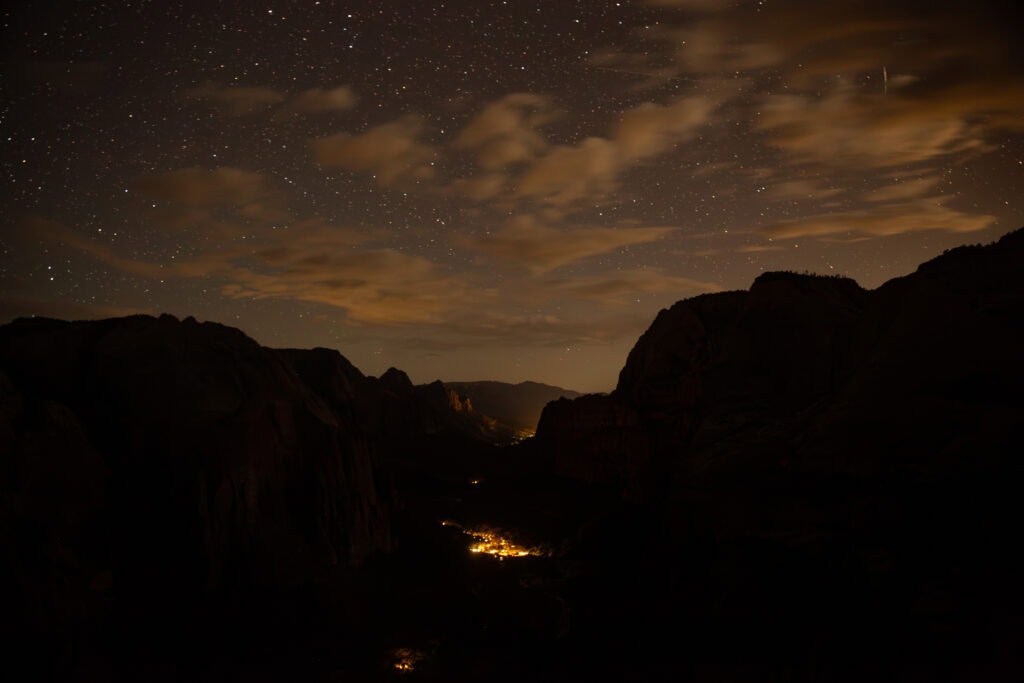
Most of Utah, outside of Salt Lake City, has some of the best night sky viewing and photography opportunities in the country. Low light pollution and dry conditions make for incredible Milky Way and deep-sky viewing.
If you’re a bit of a night owl, I highly recommend spending 30-45 minutes outside after it gets dark to soak up the stars.
5. Check out other sections of Zion National Park
The main Zion Canyon, where all the crowds congregate, is not the only worthwhile place to visit in Zion National Park.
Kolob Canyons
Kolob Canyons occupies the northwest corner of the park and has its own entrance off I-15 at Exit 40, roughly 45 minutes from Springdale. Since you have to leave the park and loop around on the interstate to get there, far fewer people make the trip, and the trails feel much less congested.
The 5-mile Kolob Canyons Road climbs past a row of crimson finger canyons and dead-ends at the Timber Creek Overlook. From there, a 1-mile round-trip trail follows a rocky ridge out to views of the Kolob Terrace and the Pine Valley Mountains. If you have a few hours, the Middle Fork of Taylor Creek Trail (5 miles round trip) passes two old homestead cabins before ending at Double Arch Alcove, a deep, arched recess carved into the cliff.
Pets aren’t allowed on any Kolob Canyons trails, and the road can close temporarily in winter when snow and ice build up.
Kolob Terrace Road
Kolob Terrace Road begins in the small town of Virgin, about 15 minutes west of Springdale, and winds north for roughly 20 miles. Over that stretch, it gains about 4,000 feet, trading desert washes and dark lava rock for pine and aspen groves up near Kolob Reservoir.
It also provides access to several backcountry trailheads, including the Right Fork, the Left Fork (for the Subway), Hop Valley, and Wildcat Canyon. The road is steep and narrow with little to no shoulder, and towing a trailer up it isn’t recommended.
From fall to spring, the upper section usually closes at Maloney Hill, about a mile past the Hop Valley Trailhead, because of snow.
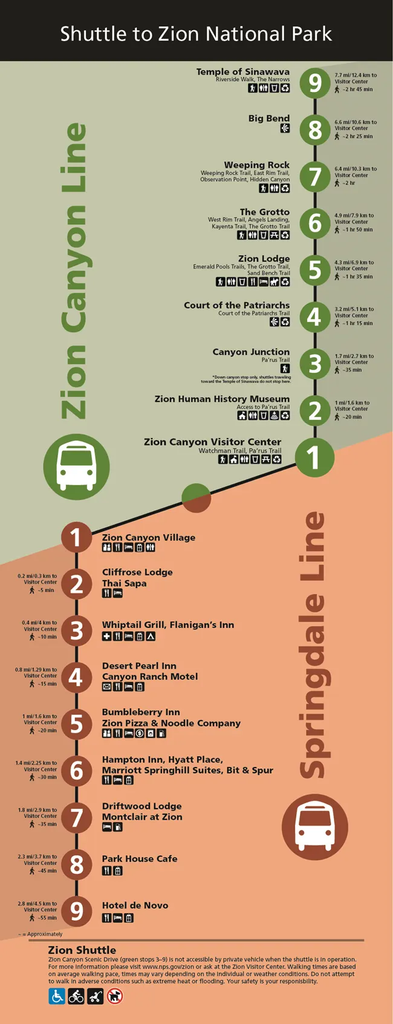
6. Enjoy seeing the park via the Zion Shuttle
This probably applies more to the older crowd, but hopping on the shuttle and taking it through Zion Canyon is fantastic. With so many stops, you can hop on and off, take a short walk, look up at the towering walls, get back on, and see a different part of the area.
In Zion National Park, there’s no rule that you have to do the hard hikes up Angels Landing or through the Narrows if you don’t want to.
7. Go horseback riding
If you want to see Zion Canyon without spending all day on your feet, Canyon Trail Rides is the park’s authorized concessioner for guided horse and mule rides. Check-in is at the Emerald Pools trailhead parking lot across from Zion Lodge, and rides typically run from mid-March through October, weather permitting.
The 1-hour ride follows the Virgin River for about a mile to the Court of the Patriarchs before looping back to the corral. Riders must be at least 7. The 3-hour ride circles the Sand Bench Trail, gradually climbing about 500 feet for a view across the southern end of the park, and requires riders to be at least 10. Both rides have a 220-pound weight limit.
8. Walk the Riverside Walk
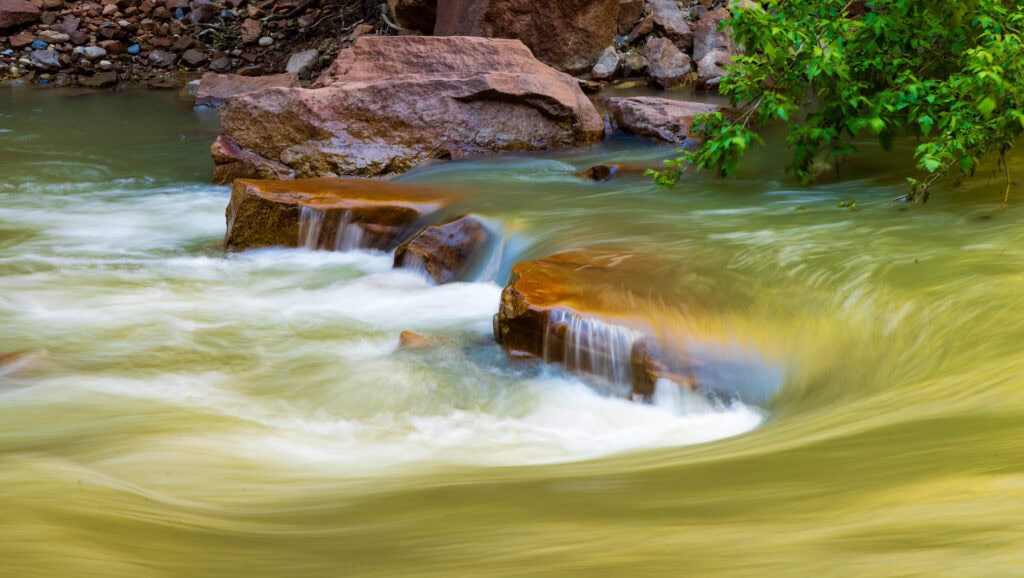
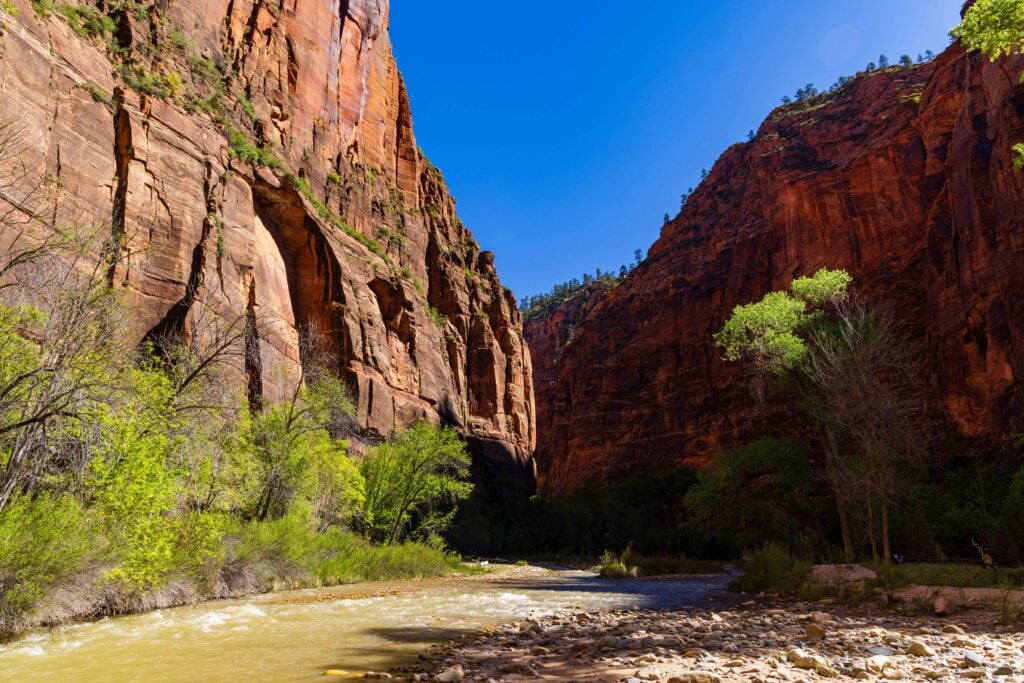
The Riverside Walk is great for all ages and skill levels. This short, flat walk brings you alongside the Virgin River and leads to the start of The Narrows. It’s partially paved *(albeit a bit bumpy in places), so those with strollers or walkers should be able to make it.
This is the final stop on the Zion Shuttle and well worth the visit. The last time I was in Zion (when I proposed), we did this short walk
- AllTrails link
- Distance: 2 miles round trip
- Difficulty: Easy
9. Hike to the Emerald Pools
The Emerald Pools are a series of pools stacked on three levels below Heaps and Behunin canyons, fed by seeps and seasonal waterfalls spilling off the cliffs. The trails start across the road from Zion Lodge (shuttle stop #5), so you can decide how far up to go once you’re there.
The Lower Emerald Pool Trail is a mellow 1.2-mile round trip that passes beneath a waterfall dripping off a sandstone overhang. From there, continue up to the Middle Emerald Pools, then take the steeper, sandy spur to the Upper Emerald Pool at the base of a sheer cliff. Doing all three is about 3 miles round trip. You can also return via the Kayenta Trail and catch the shuttle at the Grotto instead.
Flow depends on the season. The falls tend to run well during spring snowmelt and can dwindle to a trickle in dry stretches. Swimming isn’t allowed in any of the pools, and dogs aren’t allowed on the trail.
- AllTrails Link
- Distance: 1.2 miles (Lower) to 3 miles (Upper)
- Elevation Gain: 150 to 350 feet
- Difficulty: Easy to Moderate
10. Hike the Watchman Trail
The Watchman Trail starts right by the Zion Canyon Visitor Center, making it a handy option when shuttle lines are long. It climbs gradually above the Virgin River to a viewpoint overlooking the Towers of the Virgin and the town of Springdale below. Note that it doesn’t go to the top of the Watchman itself.
There’s very little shade, so in summer plan on an early morning or evening hike. Late in the day, the low light turns the surrounding cliffs a deep orange.
- AllTrails link
- Distance: 3.3 miles
- Elevation Gain: 368 feet
- Difficulty: Moderate
- Note: As of 8/31/26, the trail is closed for repairs. Click here to see updates, as this page will not update in real time.
11. Photograph the Watchman from the Pa’rus Trail
From the footbridges on the Pa’rus Trail, the Virgin River bends toward the Watchman, and the hour before sunset washes the peak in copper light. The park prohibits stopping or standing on the Canyon Junction road bridge, so set up on Pine Creek Bridge, the last pedestrian span before the junction.
Claim a spot along the railing well ahead of sunset, and if you stay past the last shuttle, the paved trail leads 1.75 miles back to the visitor center.
12. Bike the Pa’rus Trail
The Pa’rus Trail is the only trail in Zion open to bikes and leashed pets. This paved path runs about 1.75 miles one way from the Zion Canyon Visitor Center to Canyon Junction, hugging the Virgin River with a handful of bridges along the way.
Biking it lets you skip the shuttle entirely. From Canyon Junction, you can keep pedaling up Zion Canyon Scenic Drive to the Temple of Sinawava, pulling over when a shuttle approaches. Several shops in Springdale rent regular bikes and pedal-assist e-bikes. Regular bikes can go on the shuttle’s exterior rack if you’d rather ride the shuttle up and coast back down, but e-bikes aren’t allowed on the shuttles.
Stay under the 15 mph speed limit on the trail and give walkers a heads-up before passing.
- Distance: 3.5 miles round trip
- Elevation Gain: 50 feet
- Difficulty: Easy
13. Drive the Zion-Mount Carmel Highway
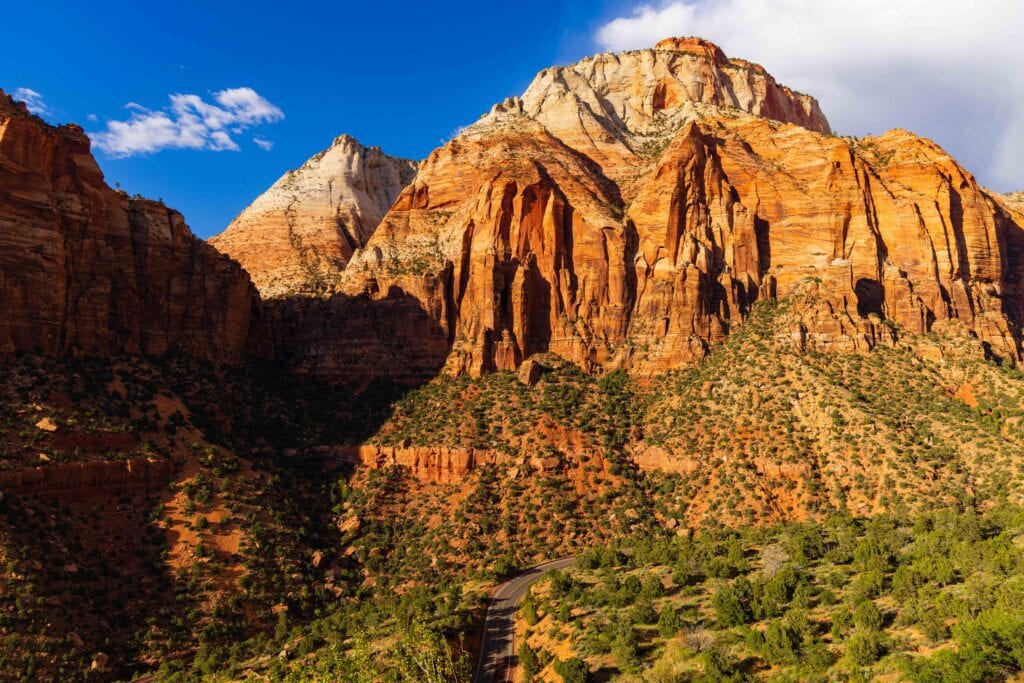
The Zion-Mount Carmel Highway is one of the top scenic drives in America. Also known as Highway 9, this road grants you access to Bryce Canyon National Park to the north and Grand Canyon National Park and Kaibab to the south.
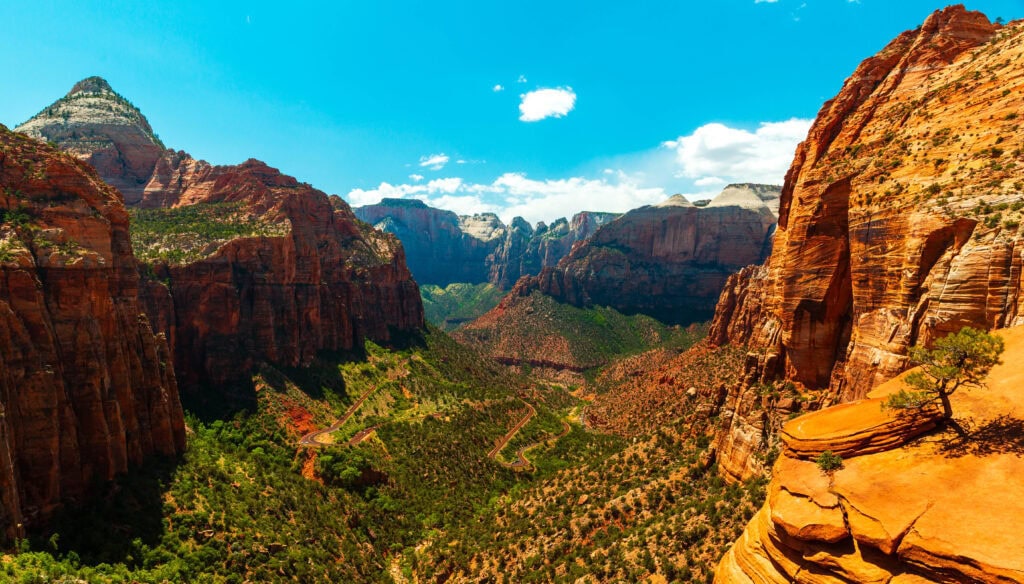
The road is an engineering feat thanks to the 1.1-mile-long tunnel connecting the western side of Zion Canyon to the east and the tight switchbacks one can see from the Canyon Overlook hike.
This highway offers stunning views of Zion National Park and the surrounding areas of southern Utah. Be advised, though: this route has large-vehicle restrictions. Check if you can make the drive.
14. Hike the Canyon Overlook Trail
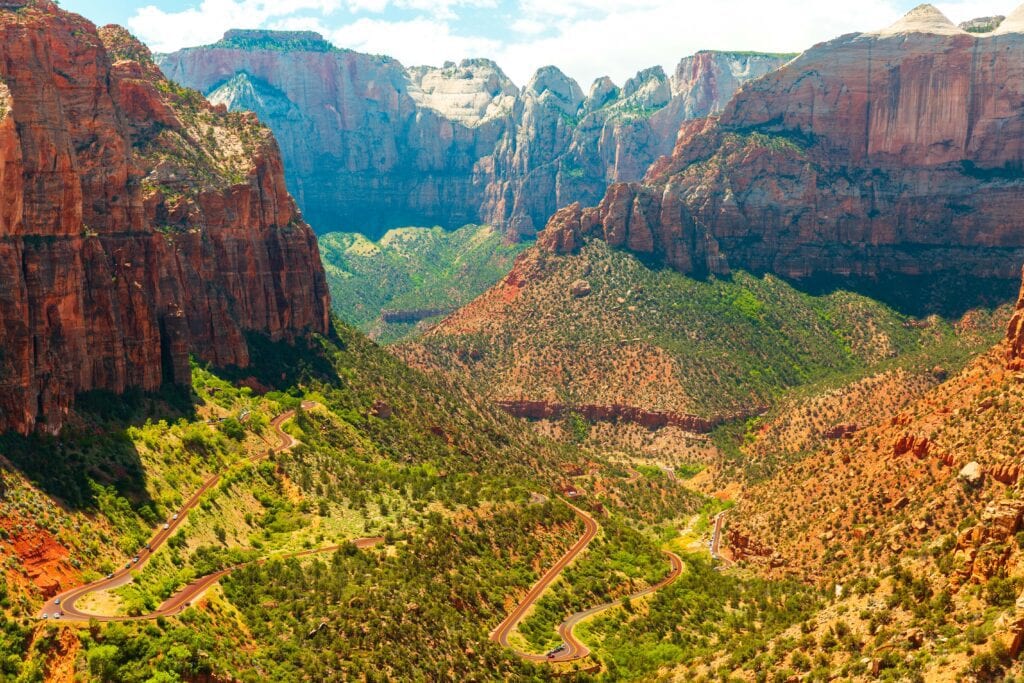
I’ve done this a couple of times, and it’s so good! It’s a short hike, but you get really close to the edge, so it might not be great for people with a fear of heights. If you’re okay with that (it’s honestly not terrible), you’ll get a jaw-dropping view of Zion and the switchbacks up to the tunnel.
- AllTrails Info
- Distance: 1.2 miles
- Elevation gain: 275 feet
- Difficulty: Easy-Moderate
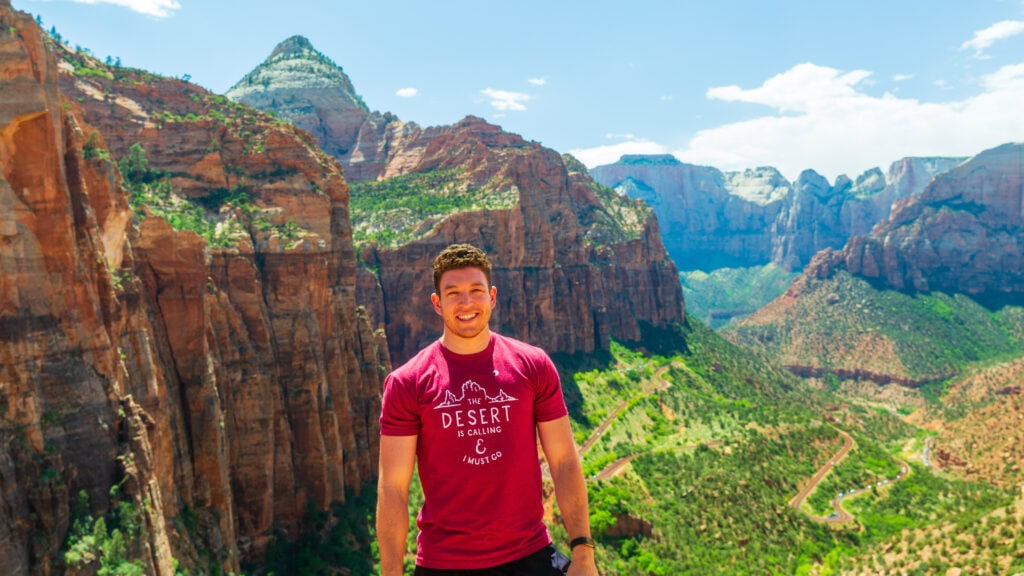
15. Go canyoneering
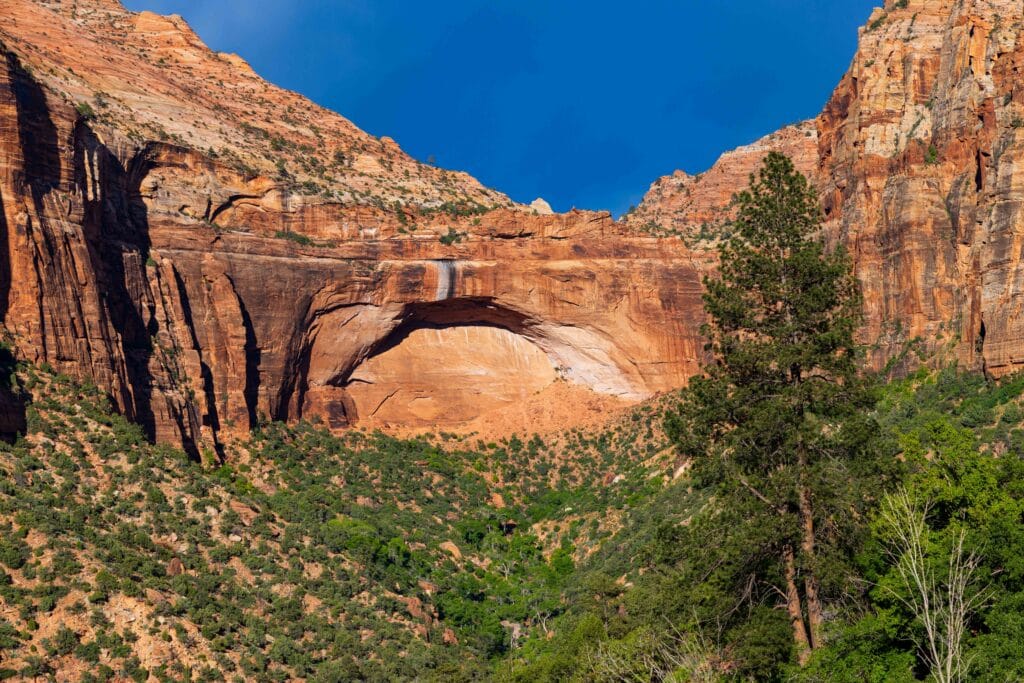
Zion’s Navajo sandstone is fissured with slot canyons that can only be descended on rope. Keyhole Canyon is the usual starting point, a two-hour outing with short rappels and frigid pools. Pine Creek Canyon steps things up with six rappels over about five hours. Pack a wetsuit for both.
Every technical canyon in the park requires a permit. Most can be reserved in advance on Recreation.gov, while the Subway and Mystery Canyon go through seasonal and daily lotteries. Expect a $6 application fee and a $10 per-person permit fee. You’ll need to pick up your permit in person at the Zion Canyon Visitor Center Wilderness Desk the day before or the day of your trip. Groups are limited to 12 people in Keyhole and Pine Creek and 6 in most other canyons.
Stay aware: flash floods in slot canyons can be fatal, so check the park’s Flash Flood Potential rating before you go, and stay out if bad weather threatens.
16. Go rock climbing
Zion’s 2,000-foot sandstone cliffs are known worldwide for big wall climbing, with classic lines like Moonlight Buttress and Touchstone Wall. Most routes here are traditional, multi-pitch climbs, and the park doesn’t recommend them for inexperienced climbers.
Day climbs require no permit. Overnight bivies on a wall do require a permit, and you can reserve them in advance on Recreation.gov for the more popular routes. Starting March 1 each year, some walls close to protect nesting peregrine falcons and other raptors, so check the park’s seasonal closure guide before committing to a route.
Never climb on wet sandstone. The rock loses much of its strength when it’s wet and can take two to four days to dry out after rain or snow.
17. Backpack the West Rim Trail
The West Rim Trail crosses the high country from the West Rim Trailhead near Lava Point, then drops 2,500 feet in its final 4.7 miles to the Grotto in Zion Canyon. Most hikers go top-down, so you’ll need to arrange a car shuttle to the trailhead.
Overnight trips require a wilderness permit, which costs $20 plus $7 per person per night. Camping is limited to nine designated sites. The springs along the route are seasonal, and Potato Hollow Spring often dries up in summer, so confirm water sources at the Wilderness Desk when you pick up your permit. Snow can block access to the trailhead in winter.
- AllTrails Link
- Distance: 14.2 miles one way
- Elevation change: 3,400 feet of decline, 1,300 feet of incline
18. Visit the Zion Human History Museum
A half-mile north of the South Entrance, the Zion Human History Museum served as the park’s main visitor center until the current one opened in 2002. It’s now stop #2 on the Zion Canyon Shuttle, with exhibits on the canyon’s human story, from its American Indian history through pioneer settlement.
Start with the free 22-minute orientation film, which works well as a primer on your first day. Inside, look for the plaster relief map of Zion Canyon that artisans painted in 1934. Then step out to the back patio for a look at the West Temple and the Towers of the Virgin.
The museum is only open from spring to fall, so check the current hours before you go.
19. See fall colors along the Virgin River
Fall in Zion is magical. The leaves turn yellow and orange, the crowds disappear, and there’s a nice chill in the air.
Because of the elevation differences throughout the park, higher-elevation areas begin to turn in mid-September, while lower regions, like the Virgin River, won’t hit peak until the end of October or early November.
20. Spend an afternoon in Springdale
Springdale sits right outside the South Entrance, and it’s worth carving out an afternoon to wander Zion Park Boulevard. The free Springdale Shuttle runs the length of town during the main season, so you can leave the car parked.
Where to stay near Zion National Park
Cool Airbnbs Around Zion
Here are some great-looking Airbnbs to check out.
- Zion A-Frame Tiny home in Hildale
- Redrock Cabin in Hildale
- Under Canvas Zion (great for shoulder season)
- Springdale Cottage (great location)
- Full home up to six people in Springdale (great location)
Camping in Zion National Park
The park has three campgrounds to choose from.
- Watchman Campground is located by the park’s South Entrance. The campground is open year-round, offering reservations up to six months in advance.
- South Campground is also located next to the South Entrance. This campground closes seasonally and offers reservations up to two weeks in advance.
- Lava Point Campground is located high on the Kolob Terrace Road, about 1 hour away from Zion Canyon. This campground closes seasonally and offers reservations up to two weeks in advance.
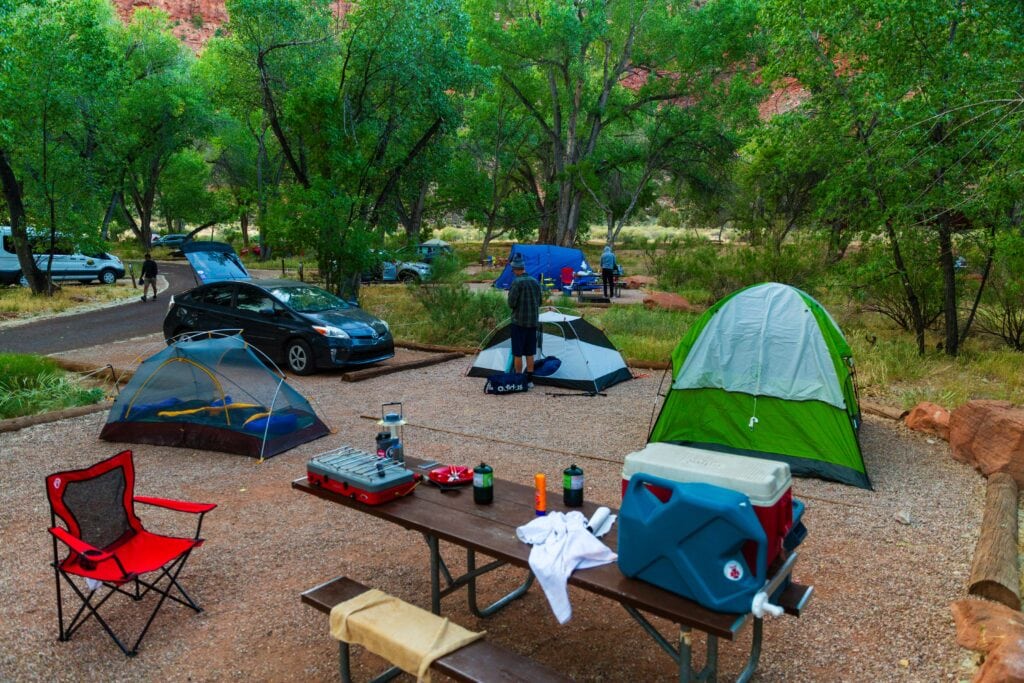
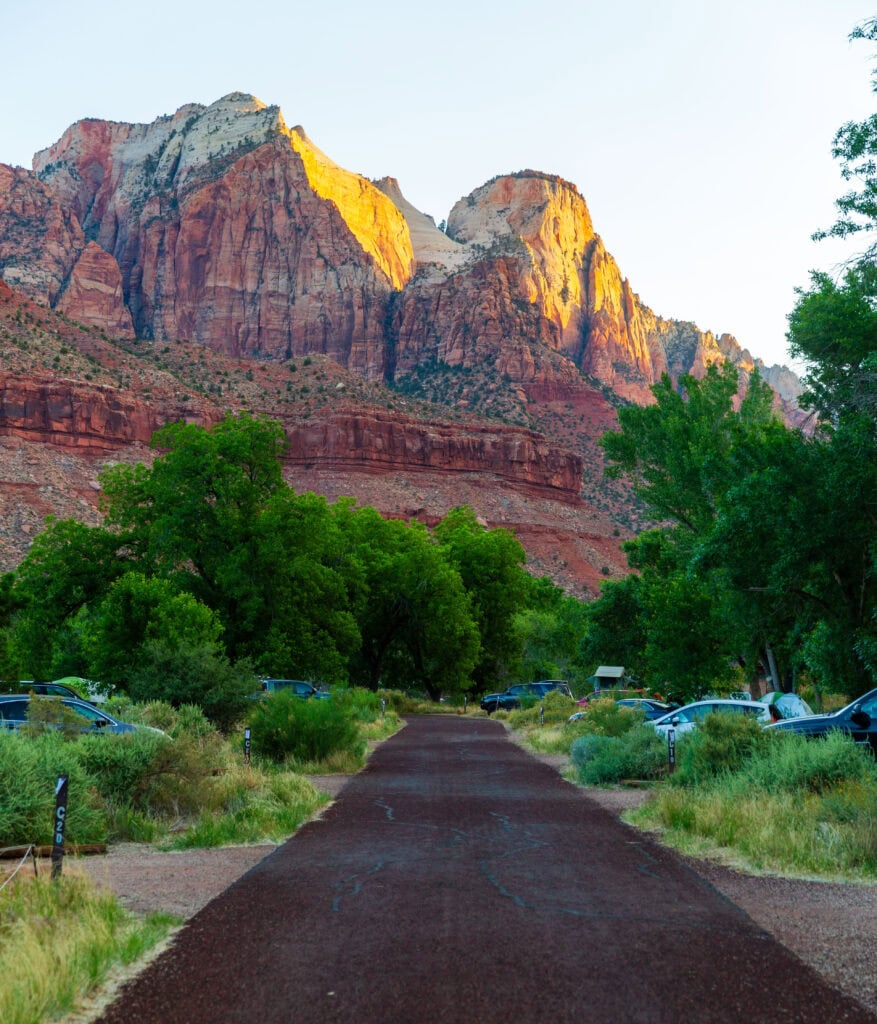
In 2018, some friends and I did a nice road trip from Phoenix to Zion and Bryce, and we camped at the Watchman Campground for two nights. The views are gorgeous, and the sites are pretty decent-sized.
Zion Lodge
Zion Lodge is the only hotel in the park, and it also lets you drive your car onto Zion Canyon Road. As you can expect, this is highly sought after, and prices can get steep during the busy season.
Hotels in Springdale
When I got engaged in 2024, we stayed in Springdale at the SpringHill Suites by Marriott. It was near the entrance, was lovely, and had a nice breakfast. We aren’t people who spend much time in hotels, so it gave us everything we needed.
Hotels in St. George, Hurricane, or Virgin
The further away you go, the cheaper lodging is. I honestly don’t think I’d recommend St. George, unless you’re looking to golf. The towns of Hurricane or Virgin are 25-30 minutes from the south entrance and have much more reasonable rates.
Find hotels around Hurricane, UT || Find hotels in St. George, UT
Lodging Near The East Entrance
Looking to stay further east before or after your trip to Zion? There are options!
When to visit Zion National Park
Visiting Zion in spring
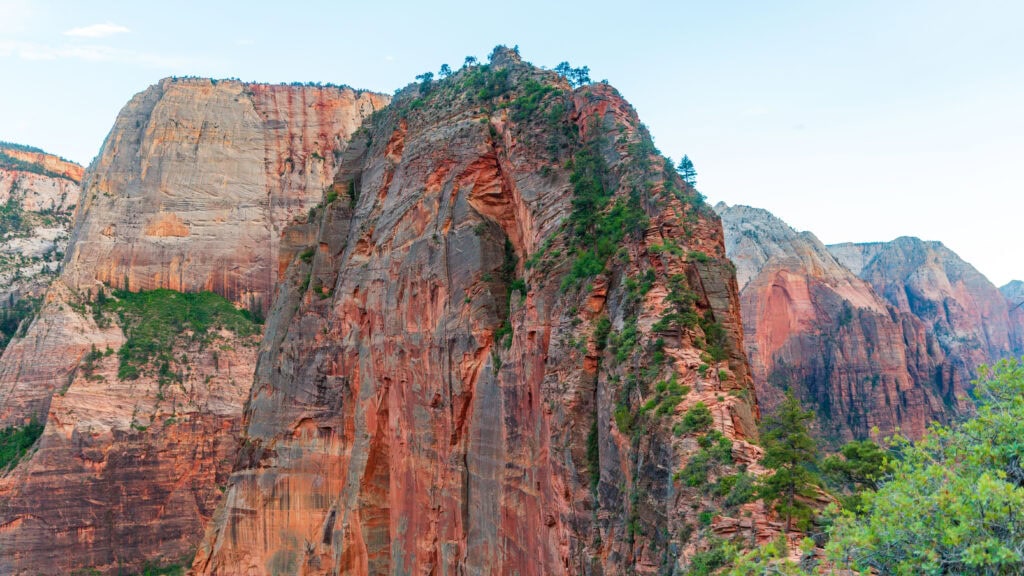
Spring in Zion is majestic! I’ve been here in May twice and had a blast. The weather was perfect, and crowds weren’t too heavy on a random weekend. If you can time it before Utah/AZ/CA schools get out, you can have a much more enjoyable experience.
Visiting Zion in summer
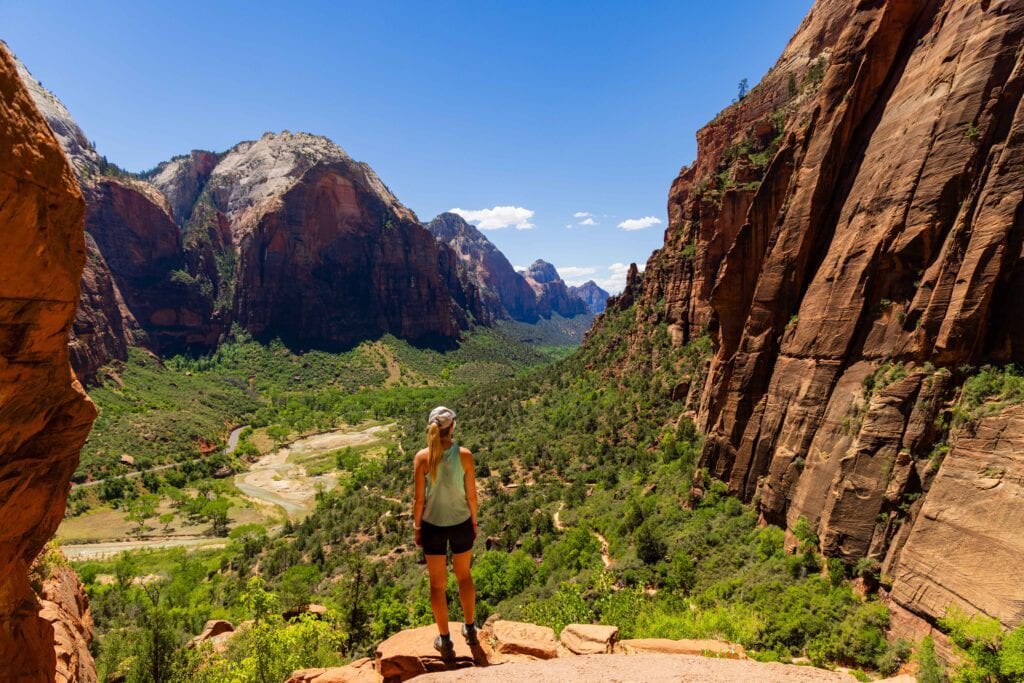
Zion can get quite warm during the summer months, and it’s not so fun when you’re baking inside the canyon walls. But that’s why they have water activities! Summer is the best time to hike the Narrows and spend time at higher elevations.
Start your days early or hike around sunset. And keep drinking water all day!
Visiting Zion in fall
Fall, as you saw above, offers great foliage and far fewer crowds. Prices have come down, temperatures are mild, and you can still do all the hiking you want.
This might be the best time to visit Zion National Park.
Visiting Zion in winter
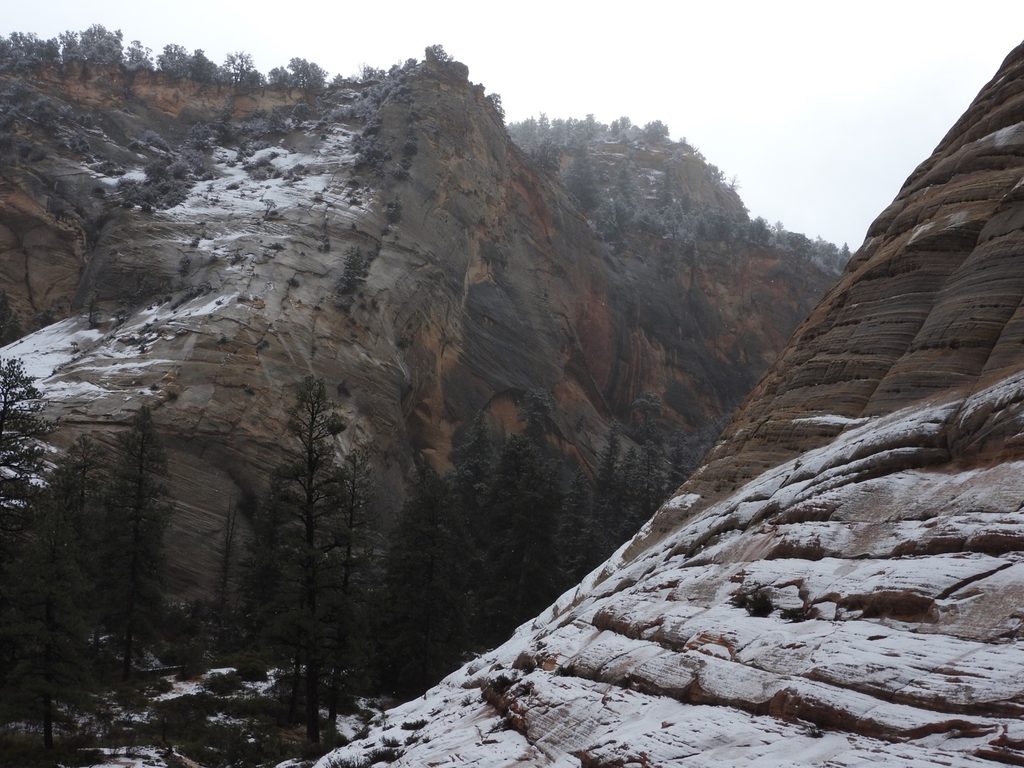
Winter is when you can get hotels that normally go for $450 a night for under $100. Sure, the temperatures are chillier and the days are short, but unless there’s a winter storm rolling through, the place looks basically the same as it does in the summer – minus green trees.
This also gives you the best odds for winning the Angels Landing lottery.
I visited in winter 2018 during a government shutdown. I’m not sure we saw more than five people. It was chilly, but not terrible.
How to get to Zion National Park
- Flying into Las Vegas: The standard airport for visiting Zion. It’s a 2.5-hour drive. Tons of flights, lodging, and car options. This is the recommended route.
- Flying into St. George: Much smaller airport; flights are more expensive, and there aren’t many options—only a 55-minute drive to the park entrance.
- Flying into Salt Lake City: If you fly into SLC, it’s a 4.5-hour drive south to Zion National Park.
- Drive to Zion: If you live in the desert Southwest, driving to Zion is a great road trip, and you can usually couple it with another national park – Grand Canyon, Death Valley, or Bryce Canyon.
Zion National Park permits and reservations
Zion has no entry reservation system. Angels Landing, the Subway, the top-down Narrows, technical canyoneering, and overnight wilderness trips each require a permit.
Parking in Springdale and the Springdale Shuttle
The lots at the Zion Canyon Visitor Center often fill early in the day. Once they do, park in Springdale, where on-street parking is paid from 6 a.m. to 5 p.m. daily:
- Zone A (closest to the park): $25 all day, $20 after 1 p.m.
- Zone B: $20 all day, $15 after 1 p.m.
- Zone C (Lion Boulevard): $15 all day, $10 after 1 p.m.
Meters accept payment for up to three consecutive days. Sleeping in your vehicle isn’t allowed in paid parking areas.
The Springdale Line is free and requires no ticket. Buses run every 10 to 15 minutes and make nine stops in town, including the park’s pedestrian entrance, a short walk from the Zion Canyon Line at the visitor center. Both lines typically run daily from March through November and again over the late-December holidays. The Zion Canyon Scenic Drive is closed to private vehicles during shuttle season.
Angels Landing permits
Everyone hiking past Scout Lookout needs a permit, issued through two lotteries on Recreation.gov. Each application costs $6 and covers up to six people. If you win, you pay another $3 per person.
Seasonal lottery: Zion sets these dates each year, so confirm the current schedule before applying.
Day-before lottery: Apply between 12:01 a.m. and 3 p.m. MT the day before your hike. Permits are issued at 4 p.m.
Wilderness permits for the Subway and the Narrows top-down
The Subway: Every trip into the Left Fork of North Creek needs a permit, whether you hike bottom-up or canyoneer top-down. Apply through the seasonal lottery:
- January to March trips: November 1 to 25
- April to June trips: February 1 to 25
- July to September trips: May 1 to 25
- October to December trips: August 1 to 25
Results arrive on the 27th, and winners have two weeks to claim their reservation. If you miss out, the daily lottery takes applications until 3 p.m. MT two days before your trip.
The Narrows top-down: Reservations for the 16-mile route open at 10 a.m. MT on December 5 for January to March trips, March 5 for April to June, June 5 for July to September, and September 5 for October to December. Day hikers can also enter the daily lottery two days before the trip. Overnight trips are limited to one night at a designated campsite, and half of the sites are held for walk-ins. Top-down trips close and permits stop when the Virgin River flows above 120 CFS, which often happens during spring snowmelt.
Fees: Day permits cost $6 per application plus $10 per person, with a limit of 12 people. Overnight permits cost $20 plus $7 per person per night. The reservation holder must pick up the permit in person at the Zion Canyon Visitor Center Wilderness Desk the day before or the day of the trip.
Campground reservations
Zion has three campgrounds, and all of them require reservations through Recreation.gov. Expect them to be full almost every night from mid-March through late November.
- Watchman: Open year-round. Book standard sites up to six months ahead. $35 per night, or $45 with electric.
- South: Typically open mid-March through October. Book up to 14 days ahead—$ 35 per night.
- Lava Point: Typically open May through September. Book up to 14 days ahead. $25 per night. Tents only, with no running water. Vehicles over 19 feet aren’t allowed.
Entrance fees and park passes
- Private vehicle: $35 for seven days
- Motorcycle: $30 for seven days
- Per person on foot or bike: $20 for seven days, free for ages 15 and under
- Zion Annual Pass: $70 for US citizens and residents
- America the Beautiful Pass: $80 for US citizens and residents, $250 for non-US residents
- America the Beautiful Senior Pass (US citizens and residents 62 and older): $20 per year or $80 for life
Non-US residents 16 and older pay an extra $100 per person on top of the entrance fee unless admitted with an annual or America the Beautiful pass. The NPS fee page lists free-entry days for US citizens and residents.
Tips for visiting Zion National Park
Arrive early
With 99.9% of traffic into Zion Canyon via the shuttles, there’s an obvious bottleneck to starting your day. Trying to be on one of the first shuttles will greatly enhance your appreciation of Zion National Park.
Unless things have changed since my last visit in 2024, lines tend to get long by 10-11am, and you’ll be waiting for a while.
Check the flash flood forecast before hiking slot canyons
During the summer months, monsoons can create deadly conditions. Keep an eye on the weather, never enter slot canyons when rain is possible (including upstream), and let people know where you are going.
Additionally, if you are hiking in slot canyons or canyons in general, identify potential escape hatches in case of a flash flood.
Carry plenty of water in summer
Temperatures in Zion and southwestern Utah get into the 100s. This is especially true in canyons where the rock walls heat up, the sun never relents, and temperatures rise far more than the thermometer shows.
Frequently asked questions about Zion National Park
How many days do you need in Zion?
I recommend three days in Zion National Park as a great starting point. This will allow you to do all the popular things and also get to a new area of the park, be it Kolob Canyons, Observation Point via East Mesa, or the other side of the tunnel.
You can then add another two days to visit Bryce Canyon National Park or the North Rim of the Grand Canyon for a fun road trip!
Do you need a reservation to visit Zion?
No reservation is needed to explore Zion National Park. However, you do need a permit to reach the top of Angels Landing or the Subway.
Can you drive through Zion National Park?
Yes and no. Yes, you can drive through Zion National Park on Highway 9 from Springdale to the Mt. Carmel Junction. But you cannot (unless under specific circumstances) drive through Zion Canyon, where most people visit. That is shuttle-only access.
Are dogs allowed in Zion National Park?
For the most part, dogs are not allowed on Zion’s hiking trails, but they are allowed elsewhere in the park. The Pa’rus Trail is the only trail in the park that allows pets.
Remember to keep pets leashed and well-behaved when visiting the park.
Is Zion or Bryce Canyon better?
Ooh, this one’s hard, but I would say Zion just for accessibility and things to do. Bryce is super cool, and the hoodoos are wild, but it’s a pretty small area that’s easy to reach, and you can get most of it done in 1.5 days.
Final Thoughts on the Best Things To Do in Zion National Park
The things to do in Zion are numerous, and you’ll have to spend months in this beautiful area to truly check it all off. Luckily, the top of the list is quite attainable even on a quick trip, letting you see some pretty incredible sights.
I’d personally prioritize either Angels Landing or Observation Point, get into the Narrows, and then spend a day exploring elsewhere (especially if you can land a Subway permit). And don’t be afraid to pick a random spot on the map and go explore. The area east of the tunnel has cool formations and hikes with not many crowds.
Enjoy your time in Zion National Park. You’re in for a treat!
Until next time, adventurers, stay safe.
Follow on social media: TikTok || Instagram || Facebook || Newsletter | YouTube