
Backpacking Essentials: The Complete 2027 Gear Checklist
Figuring out what to bring on a backpacking trip can feel daunting. There are so many backpacking essentials. Plus, balancing a light pack with affordable, appropriate gear for a safe, rewarding trip can feel like a tug-of-war.
My backpacking essentials article is designed to make this less daunting and get you closer to spending time in the mountains.
Below, we’ll cover my favorite backpacking essentials. First, think practically and don’t treat your trip like a fashion statement. Even though it costs more, bring as much wool and moisture-wicking material as possible, and leave cotton products at home. This will keep you cool and dry instead of feeling like you’re walking around in Florida.
I’ve included as many beginner backpacking tips as I can!
Easy Booking: Expedia.com | Hotels.com | VRBO | Booking.com | Airbnb.com
Need Gear: Find Gear at REI
Find Awesome Tours: Viator.com or GetYourGuide.com
First time here? Stay in touch by following on IG: @Alecoutside and my newsletter
Iceland on your bucket list? Get my Iceland guide + 144 pinned locations on Google Maps
Please stay safe out there and follow Leave No Trace principles as best you can.
Backpacking Essentials for an Amazing Adventure

The Complete Backpacking Packing List
The Big Three: Pack, Shelter, and Sleep System
Before you worry about sporks and stuff sacks, get these three items right. They cost the most, weigh the most, and have the biggest consequences if the sizing or rating is wrong.
Choosing a backpack
Pack volume depends on trip length more than anything else. A weekend out-and-back usually fits in 45 to 55 liters. A three- or four-night trip needs 55 to 65 liters once you add extra food and fuel. Anything longer, or trips carrying group gear, push toward 65 liters and up.
Torso length matters more than your height on the sizing chart, and a pack fitted to your torso moves the load onto your hips instead of your shoulders.
Get measured at a shop that will load the pack with sandbags and let you walk around before you buy, because a pack that feels fine empty can feel wrong at thirty pounds.
Bags I recommend:
- Men’s Gregory Baltoro 65L (I own)
- Men’s Osprey Atmos 65L
- REI Flash 55L (Budget Friendly) – Men’s | Women’s
- Hyperlite Mountain Gear Southwest 55 Pack (Ultralight)
- Osprey Eja 58 Pack – Women’s
Best Backpacking Tents

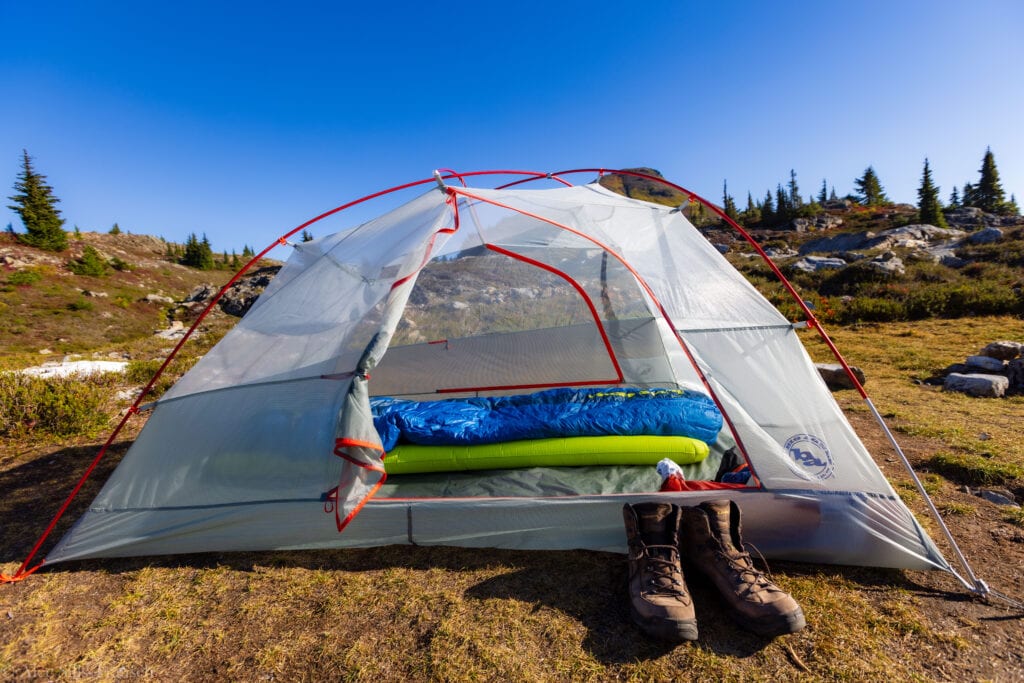
When it comes to backpacking trip essentials, choosing a tent is high on the list. It keeps you safe in bad weather and helps you recover overnight. When choosing a tent, remember a few things: Weight, Size, and Weather.
If money isn’t an object, choose the lightest tent to shave pounds off your pack. Next, consider how big a tent you will need. A one-person or two-person tent is fine if you plan to backpack solo. However, if you’re going with two people, you may want a three-person tent.
The final backpacking gear consideration is: what will your adventure conditions be? If you’re doing spring through fall, a standard tent is fine. However, I recommend a four-season tent if you plan to camp in the snow.
Top Rated Tents:
Backpacking Gear Must-Haves – Sleeping Bags
This is a critical area, so don’t skimp. This is half the battle for a great night’s sleep. If you plan to backpack frequently in areas that can drop below freezing, I suggest a 15-25-degree bag to be safe.
Sleeping Pads
This is the other half of you having a great night’s sleep. You want something comfortable that will keep your backside warm. So when you buy, look for the R-value. The higher the number, the warmer it’ll be.
If you’re only doing summer camping, you can choose a lower R-value, which is usually lighter.
Backpacking Clothes
As you pack, layer appropriately for your trek. Without getting too into the weeds, that means bringing a base layer, a fleece or mid-layer, a warm insulating outer layer (down jacket), and, in inclement weather, a protection layer (think rain jacket).
Sometimes, your mid-layer could be your insulating layer, depending on the conditions. My biggest backpacking tip for beginners is to invest in wool clothes. They last years and you won’t regret it!
So let’s dive into these backpacking essentials:
Baselayers
Your regular day-to-day hiking shirts and long sleeves. I hike in wool or loose clothing for my backpacking gear, such as the REI long-sleeve shirt that keeps the sun off me.
Hiking Pants and Shorts
I love Prana, and they’re my go-to hiking pants. The comfort, flexibility, and durability mean I can do various trekking activities without worrying about ripping them.
Down Jackets
One of my backpacking essentials. A good down jacket that keeps you toasty in the 30s will greatly increase your enjoyment of the journey.
Rain and Wind Jackets
If you’re hiking in the mountains, bring a rain jacket in case an out-of-the-blue storm hits, and you need to take cover. Make sure it has Gore-Tex to keep you dry!
Footwear for Backpacking
Having the right backpacking camping gear and shoes is paramount on a backpacking trip. You’ll want sturdy and supportive but not overbearing. You also need something that can hold up and stay waterproof for multiple days.
Boots
I love my LOWA boots and think they’re a great brand. Merrell is also a fantastic brand with excellent results. These Altras are top-notch and provide a wide toe. Unless you’re buying the identical shoe, try them on beforehand.
Trail Runners/Low tops
I wear these on shorter trips or if my pack is light and I want to move fast. Something like these, Merrell’s or Danner, would work great.
Socks
This is where you want to go with wool and only wool. I particularly like Darn Tough. They’ve never given me any issues, and I highly recommend it.
Navigation, Safety, and First Aid
This category is what most packing lists shortchange, and it matters most when something goes wrong. It draws on the classic ten essentials list that guides mountaineers and search and rescue teams, adapted here for a multi-day trail trip.
- Map and compass, plus an offline GPS app or dedicated GPS unit as backup (a phone with no signal is not navigation gear on its own)
- Headlamp with spare batteries
- First aid kit sized to trip length: blister care, gauze, tape, pain reliever, any personal medication
- A multi-tool or fixed-blade knife
- Fire starter: a lighter plus backup tinder that lights wet
- A whistle
- Sun protection: sunscreen, sunglasses, a brimmed hat
- A satellite communicator or personal locator beacon on any route without reliable cell coverage
- An emergency bivy or space blanket
- A small repair kit: duct tape, a tent pole splint, extra cordage
Beginners skip the satellite communicator most often and regret it. If your route loses cell service for more than a few hours, it’s worth the weight and cost. I carry one on anything past a maintained day-use trail, even a trip I expect to be uneventful.
Other Backpacking Essentials to Bring on your trip
Just because your main items are accounted for doesn’t mean you’re done with your backpacking essentials. On the contrary, having reliable secondary things will make the trip much more enjoyable.
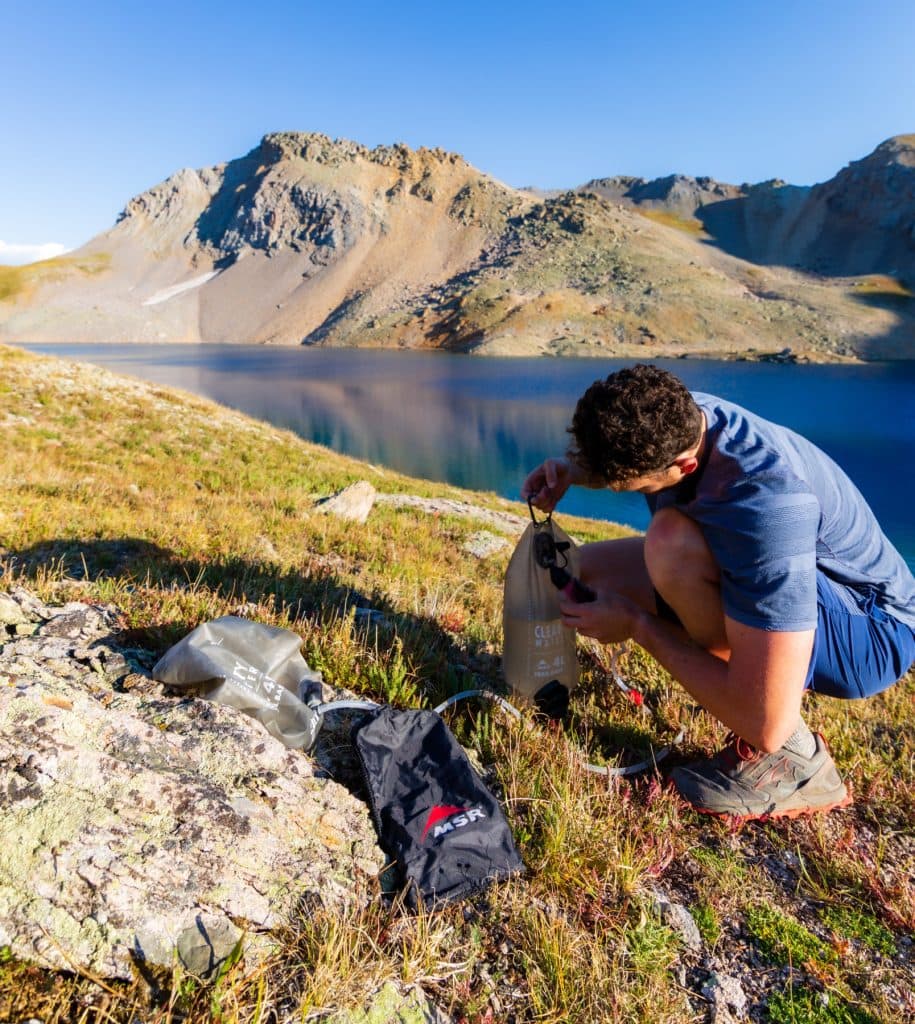
Water filters
I am a fan of gravity filters as they are easy to use and don’t require any effort on your part. This one by Katadyn is my favorite. This one is also good and doesn’t have a hose. If you want a more traditional pump filter, MSR has a fantastic one.
Backpacking Chairs
Having a backpacking chair is the best thing anyone can do on a trip. It allows you to relax and enjoy the evening without being on the ground. The REI Flexlite Air and the Helinox Zero are the two best.
Utensils and Plateware
You probably only need a Titanium Spork like this, and you’ll be set. This Sea to Summit Cup and Bowl is a great combo for morning oatmeal and coffee. They will even fold down into each other.
Stoves
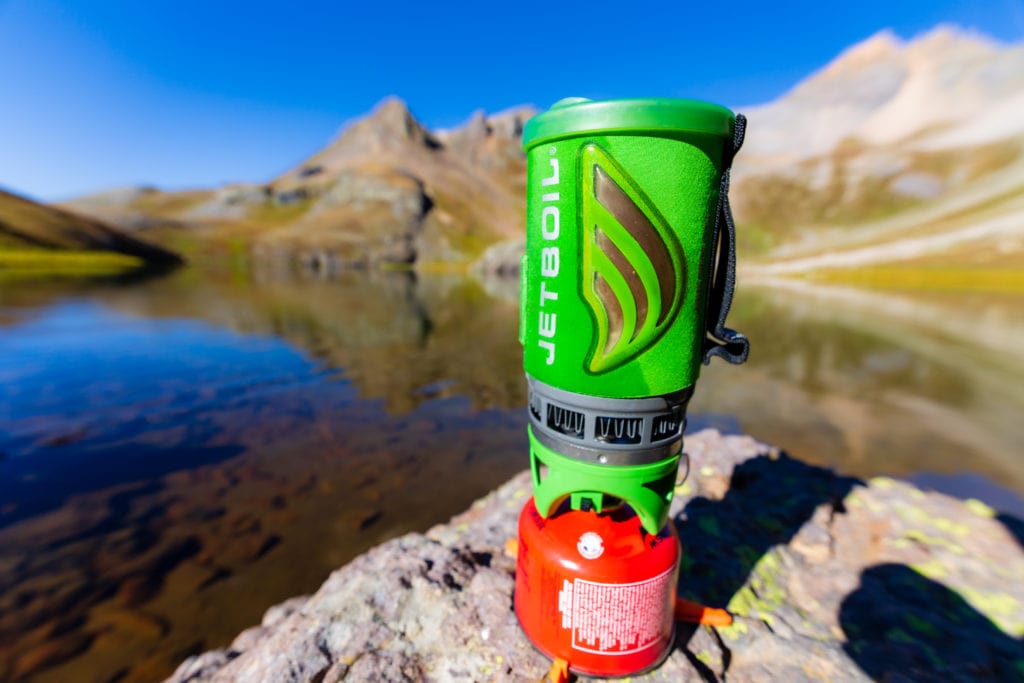
Let me save you time on what to bring on a backpacking trip: get a Jet Boil Flash. It’s only for water, dehydrated meals, or oatmeal/ramen, but that’s enough for me. If you’re looking for a good kit, the MSR PocketRocket Stove Kit is great.
Hiking Poles
I have Black Diamond poles, which have been rock solid for 4+ years. They don’t adjust, so it might not be best for everyone. However, these do adjust and should last many years.
Remember, when it comes to backpacking gear, quality matters the most!
The Complete Backpacking Essentials Checklist

Screenshot this before you load the car.
The Big Three
- Backpack sized to trip length and fitted to your torso
- Tent, tarp, or bivy with a rain fly and footprint
- Sleeping bag rated at least 10 to 15 degrees below your coldest expected night
- Sleeping pad with an R-value matched to the season
- Pack liner or dry bag for waterproofing
Clothing
- Wicking base layer, top and bottom, no cotton
- Insulating mid-layer (fleece or synthetic puffy)
- Waterproof, windproof shell jacket
- Hiking pants or shorts
- Wool or synthetic hiking socks, two to three pairs, plus liner socks
- A dry sleep layer kept only for camp
- Hat or buff, warm gloves for cold mornings
- Camp shoes or sandals for river crossings and tired feet
Footwear
- Broken-in boots or trail runners matched to terrain and pack weight
- Gaiters for snow, scree, or brushy trail
Navigation, Safety, and First Aid
- Map and compass, plus offline GPS app or device
- Headlamp with spare batteries
- First aid kit (blister care, gauze, tape, medication)
- Multi-tool or knife
- Fire starter and backup tinder
- Whistle
- Sunscreen, sunglasses, sun hat
- Satellite communicator or PLB where cell coverage is unreliable
- Emergency bivy or space blanket
- Repair kit: duct tape, cordage, pole splint
Camp and Cooking
- Water filter plus backup purification tablets
- Collapsible water reservoir or extra bottles
- Stove and fuel
- Lightweight pot and spork
- Collapsible bowl
- Biodegradable soap
- Bear canister or odor-proof bag where required
- Trekking poles
- Camp chair or sit pad (optional)
Food
- Calorie-dense dinners
- No-cook or low-cook breakfast
- Fat and salt-forward trail snacks
- Electrolyte mix
- One extra day of food on multi-day trips
Personal and Miscellaneous
- Toilet paper and a trowel
- Hand sanitizer
- Permits or wilderness passes
- Cash and ID
- Trash bag for packing out waste
- Phone with offline maps downloaded, plus a battery pack
What Backpacking Gear Actually Costs
Gear cost breaks down into three rough tiers, and where you spend matters more than your overall budget. I prioritize the sleeping bag, pad, and footwear, since comfort and safety in those three categories compound over every hour of a multi-day trip. I save money on the camp chair, plateware, and stuff sacks, since they affect comfort at the margins, not the trip’s outcome.
| Category | Budget | Mid-Range | Premium |
|---|---|---|---|
| Backpack | $190-230 | $270-320 | $340-420 |
| Tent (2-person) | $160-220 | $300-460 | $500-600 |
| Sleeping bag (15-25°F) | $130-190 | $260-400 | $550-680 |
| Sleeping pad | $50-60 | $170-230 | $240-260 |
| Footwear | $110-145 | $175-220 | $240-280 |
| Water filter | $40-50 | $55-70 | $135+ |
| Stove | $45-50 | $70 | $145-200 |
If the total for the big three stops you before your first trip, rent or borrow before you buy. Plenty of outdoor shops and gear libraries rent packs, tents, and bags by the weekend, and secondhand marketplaces move last season’s gear at a steep discount.
Buy the big three first with real money once you know your trip style, and fill in the rest of this list slowly. Most of it is replaceable and cheap; the big three are neither.
Essential Backpacking Food Ideas
One of the best backpacking tips for beginners is never to skimp on food. It’s your lifeblood, and you need it. Of course, food is always up to your taste buds, but backpacking food has come a LONG way and is pretty delicious.
So if you’re looking for snacks to bring on a backpacking trip, look at my fun blog ranking backpacking snacks. Plus, here are more than nine meal ideas.
My favorite meals are in this order:
FAQ About Backpacking Essentials
How many miles should a backpacking trip be?
A backpacking trip can be anywhere from 10 to 50+ miles. With the right backpacking essentials, you can keep going as long as you resupply your food. However, I think a sweet spot is 7-10 miles per day and doing three or four days.
This usually comes out to a three-day, 25- to 30-mile trip or a four-day, 35-to 40-mile adventure.
If you go longer, make sure you’re physically fit enough to do it!
How far should a beginner go backpacking?
I tell beginners to stick to about 10-12 miles round trip and only make an overnight trip. This is because you don’t want to throw yourself into a multi-day trip, have something go wrong, and end up in a bad spot.
Starting small and building up is the best way to go about it!
What base weight should I target?
Base weight is your pack’s weight minus food, water, and fuel, and it reflects your gear choices rather than your trip length. Most beginners land between 25 and 35 pounds without trying.
A base weight of 15 to 20 pounds is achievable with mid-range gear and a little discipline, and it makes a noticeable difference on any trip past two nights. Chasing a base weight under 10 pounds usually means specialized ultralight gear and trade-offs in durability and comfort that are not worth it for most people’s first several trips.
Does heavy weight go on top or bottom when backpacking?
When packing, put your heavier gear in the middle. I usually put my tent in the straps on the outside, my sleeping pad and bag at the bottom of my bag, and then my clothes and food on top of that. There’s no one single way to pack your backpacking gear.
You want it to fit right and let you easily pull out what you need during the hike.
What time of year is best for backpacking?
Spring through fall is the best time for backpacking, but it depends on location. Obviously, if you’re in the desert, summer isn’t great. The same goes for spring in Washington. If you have a gorgeous weather window, tackle the trail you’ve been looking at!
Do I actually need a satellite communicator?
If your route holds cell signal the whole way, probably not. Suppose where you are signal for more than a few hours at any point, yes. Search and rescue response time drops from days to hours when someone can send an exact location and a message describing the problem, and that gap matters most on the trips where nothing is supposed to go wrong.
With new updates to cell phones having satellite communications, there are more options to reach the outside world without a Garmin InReach or something similar.
Wrapping up Backpacking Essentials
Thanks for taking the time to read and go through this entire backpacking essentials list. I’m super stoked to see where you end up. If you use my list and go backpacking, please tell your friends and family and tag me in your travels!
Until next time, adventurers, stay safe.
Follow on social media: TikTok || Instagram || Facebook || Newsletter | YouTube