25 Best Things To Do in Belize on Your Next Trip
Belize has so much to offer visitors who journey into Central America. The two main draws are the absurdly beautiful Caribbean waters and the historic Mayan Ruins sprinkled throughout the jungle. But that’s just the tip of the iceberg for all the best things to do in Belize.
Coming from Denver, we spent eight full days in Belize – half on the ocean and half in the jungle. This was the perfect mix of relaxation and water activities, coupled with opportunities to go on jungle excursions, learn about Mayan history, and experience life inland.
Below, I highlight 25 things to do in Belize that I think you’ll love to experience and that will create lasting memories in this beautiful country.
The Best Things to Do in Belize On Your Next Adventure
Let’s dive into my favorite things to do in Belize. I’m starting with the ocean activities, and then we’ll move inland.
1. Snorkel the Belize Barrier Reef
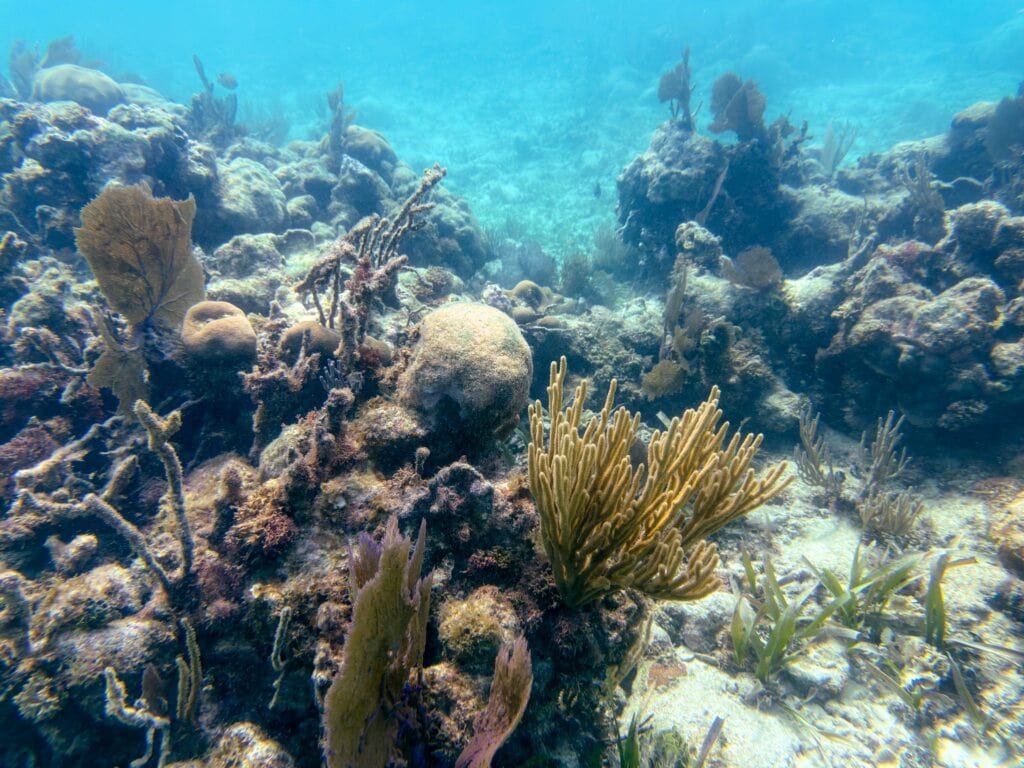
Seeing the magic of the Belize Barrier Reef was one of the main reasons we chose Belize. (Along with easy access from Denver and our Southwest Companion Pass.) This is the second-largest reef globally and the largest in the Northern Hemisphere, at 190 miles long. In 1996, it was designated a UNESCO World Heritage Site and is home to 500 fish species and 65 coral species.
Our experience was thrilling.
First, it had been rainy, windy, and a bit cloudy, so we didn’t get the clearest water quality. Still, it was awesome. The highlight was easily a double sighting of a manatee! I mean, how cool is that?
I didn’t expect to see one on our trip. A runner-up was seeing so many fish and colorful coral, and enjoying the exploration of a new ecosystem.
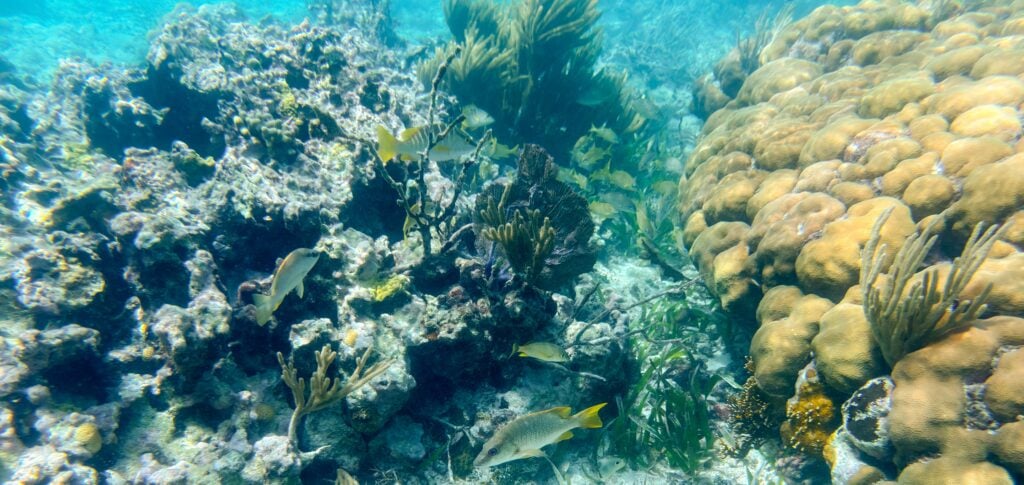
We booked this tour through Shaka Caye Resort, and they go to a specific area south of their island. But for others staying further north on Ambergris Caye or Caye Caulker, I’m sure you go to a nice spot as well!
On this trip, I used the SeaLife Underwater Housing. I’d never used one before, and it worked really well. One thing to note, for photographers, if you want to shoot in RAW, you can only do so at 1x. If you zoom in, it’ll convert to JPG. (So I’d recommend turning on the RAW+JPG setting.)
2. Swim with Nurse Sharks
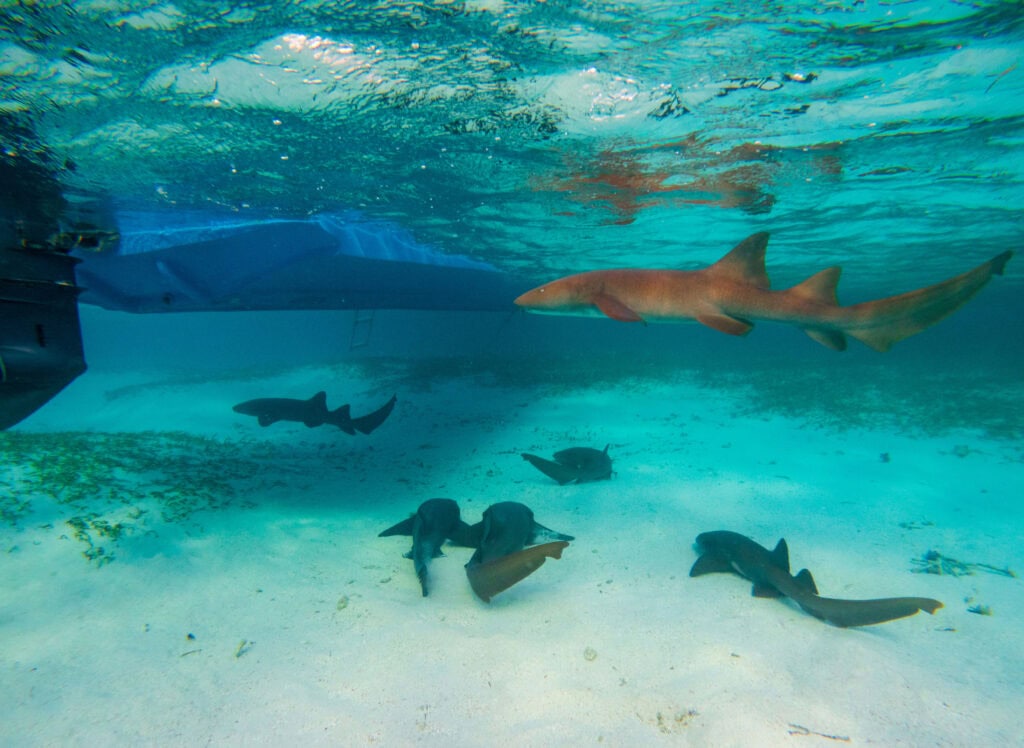
What a wild, surreal, and beautiful experience. This was the first time ever getting into the water with known sharks around. Granted, Nurse Sharks are known to be docile and not a threat to humans, though they can bite in self-defense.
Because they are still wild, you don’t want to get too close.
While I wouldn’t say I got CLOSE CLOSE, the current did push me towards them a couple of times. This forced me to make swimming motions, which I didn’t exactly like because it looked like something prey might do.
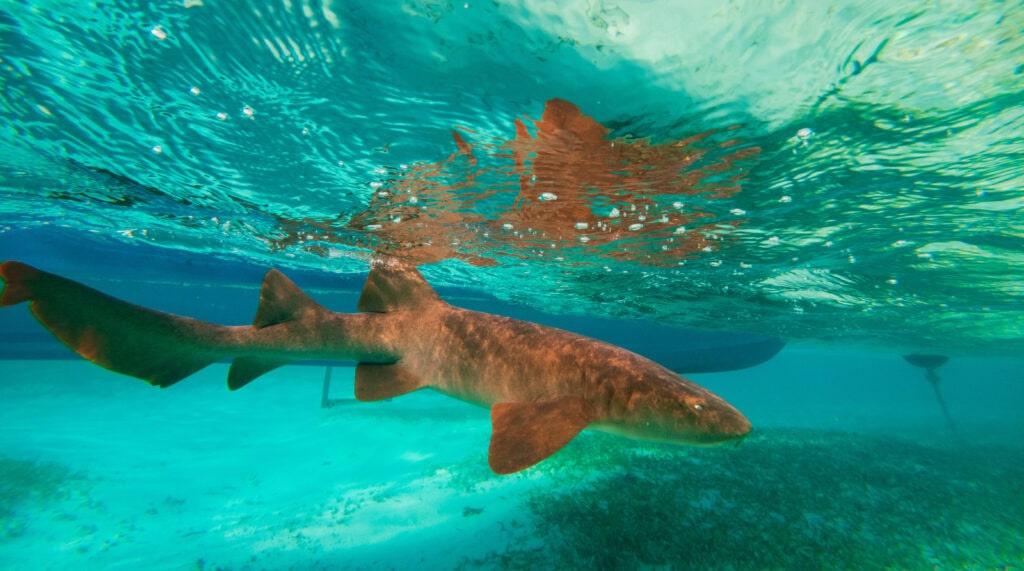
The photos you see are taken with a GoPro on a 3-foot stick, extended by 3 feet with my arm. So the images are far closer than what I actually was.
Two things to know:
We went to the one off of Caye Caulker, which is in the Caye Caulker Marine Reserve. I don’t know for certain how many sharks were around, but it easily could have been 18-22, with many of them looking to be 4-7 feet long. The other one is further north in the Hol Chan Marine Reserve.
Second, most operators will feed the sharks with little to get them to swarm and move around. It’s just one of those things that happens. Not sure how I feel about it afterward, but it is what it is, I guess.
Easy Booking: Expedia.com | Hotels.com | VRBO | Booking.com | Airbnb.com
Need Gear: Find Gear at REI
Find Awesome Tours: Viator.com or GetYourGuide.com
First time here? Stay in touch by following on IG: @Alecoutside and my newsletter
Iceland on your bucket list? Get my Iceland guide + 144 pinned locations on Google Maps
Please stay safe out there and follow Leave No Trace principles as best you can.
3. Have Rays Swim Over Your Toes
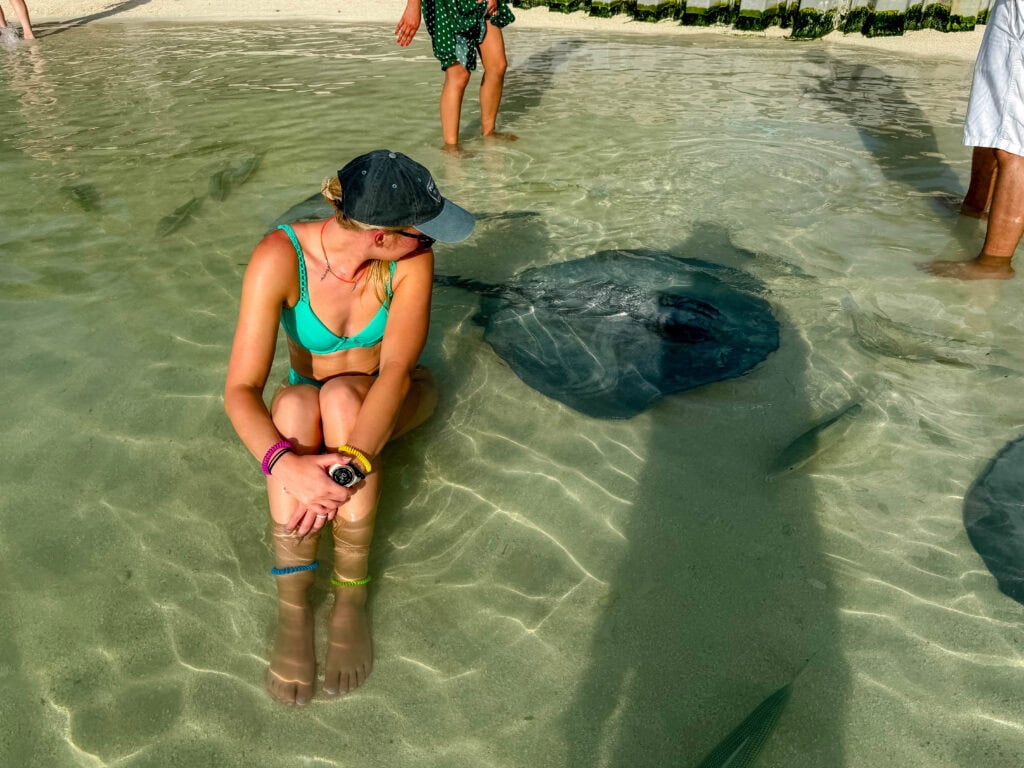
Every afternoon on Caye Caulker, the rays come up to be fed, and you can go into the water with them and have them swim over your toes. It’s a weird feeling for sure, and they seem harmless. Just don’t be dumb or aggressive with them and let them approach you, and you’ll be fine!
4. Take a Shark Ray Alley Tour
So, the top two are the main draws of the popular Shark Ray Alley Tour that you can take from Caye Caulker and Ambergris Caye. Plus, most of these tours include snorkeling on the barrier reef.
So, in essence, you get your entire ocean adventure in one day! Not a bad way to do things.
5. Feed the Tarpon Fish
This wasn’t on my radar until our boat captain pulled us up to the dock, told us to get some fish, and then come back. As we floated towards the dock, you couldn’t miss the MASSIVE Tarpon in the water.
These are prehistoric fish dating back 100 million years, and they sure know where to go to be fed.
Once you have your anchovies, dangle them over the water, and the fish will jump up and snatch them from between your fingers. Yes, it was unnerving, but also very cool. Make sure you have your phone on slo-mo video mode to nail the shot.
6. Visit Caye Caulker or Ambergris Caye
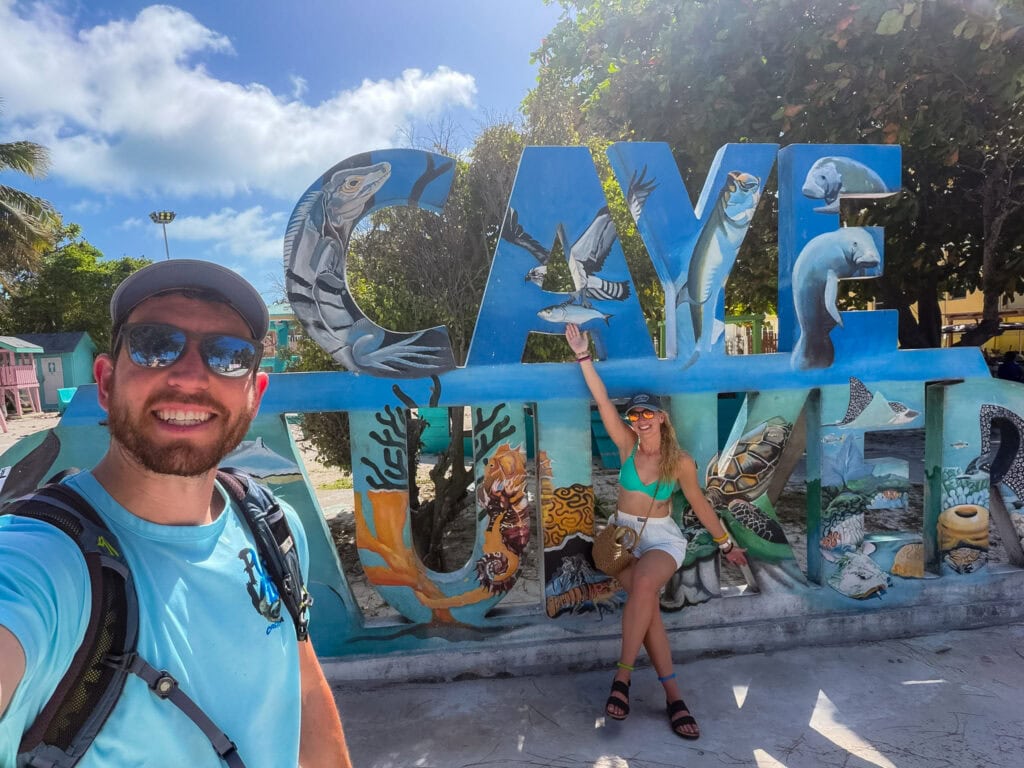
These are the two most prominent islands off the coast of Belize. It’s pronounced “key” as Jaimie, and I learned after saying “cay-ye” a few too many times, ha! Ambergris Caye is more commonly known as “San Pedro,” with Caye Caulker called as it is.
San Pedro is the busier, more built-up, full-of-luxury-resorts island. On the other side, Caye Caulker is smaller, less expensive, and quieter, though not a ghost town. We took an afternoon trip to Caye Caulker, hung out at the Lazy Lizard, jumped off the dock, and had a wonderful time!
Both islands have small airports you can fly into, or you can take the water taxi. The flights take like 10 minutes, while the water taxis are 70-90 minutes.
7. Check out Placencia and Hopkins
Hopkins and Dangriga are prime spots for experiencing Garifuna culture, especially drumming and food. Garifuna drumming uses hand-carved drums and rhythms passed down for generations, and several spots in both towns offer lessons or performances. On the food side, look for hudut (mashed plantain with fish in coconut broth) and cassava bread, best found at local restaurants and family-run kitchens.
Beyond culture, Placencia and Hopkins are also good bases for beach time, snorkeling, and fishing trips out to the cayes, plus a slower pace than Belize’s bigger tourist hubs. Spending time in either town rounds out a trip that’s otherwise focused on the reef and ruins.
8. Hol Chan Marine Reserve
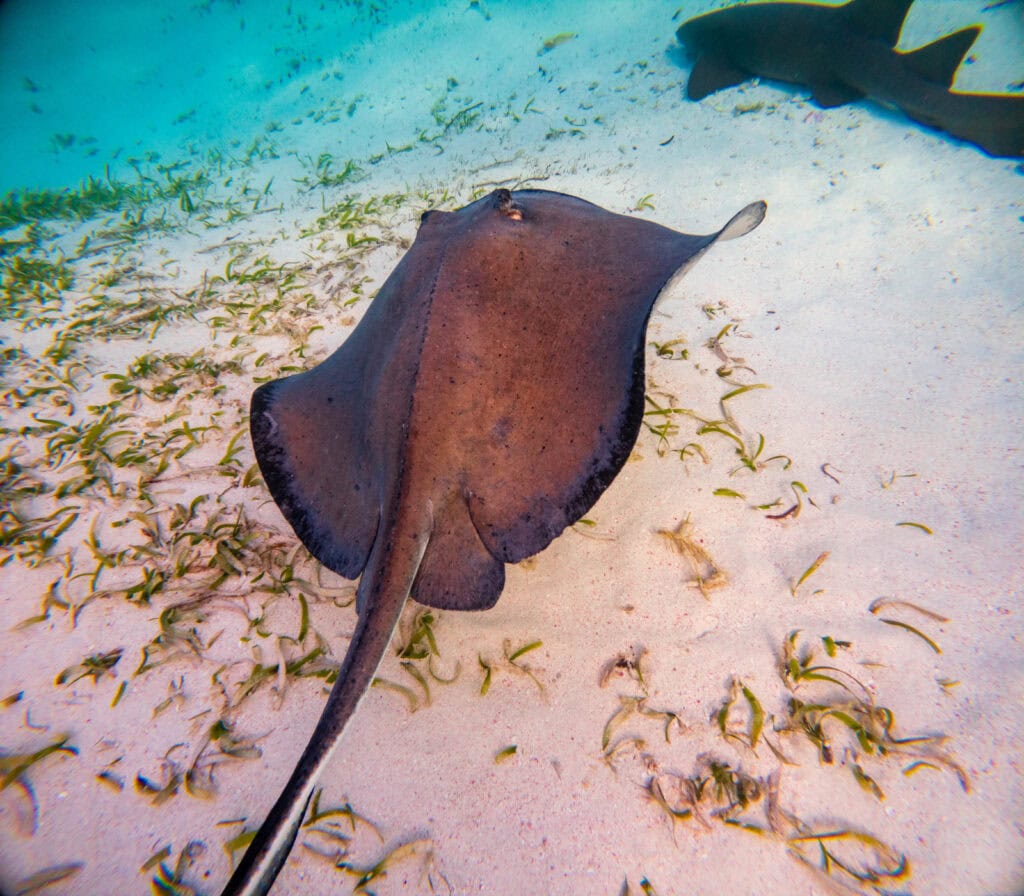
Hol Chan Marine Reserve sits just off Ambergris Caye and is the protected area where most Shark Ray Alley tours actually take place. The reserve covers a section of reef cut by a natural channel, which gives the area its name, and divers and snorkelers come here for close encounters with nurse sharks and southern stingrays that have grown accustomed to boat traffic over the years.
Beyond the sharks and rays, the reef itself supports a wide range of fish, including parrotfish, barracuda, and the occasional moray eel tucked into the coral. Visibility is usually good, and the shallow depths in parts of the reserve make it accessible to snorkelers as well as certified divers.
Most boats out of San Pedro or Caye Caulker run combined trips that include both Shark Ray Alley and the deeper channel sections of Hol Chan in a single outing.
9. Exploring Belize’s Atolls
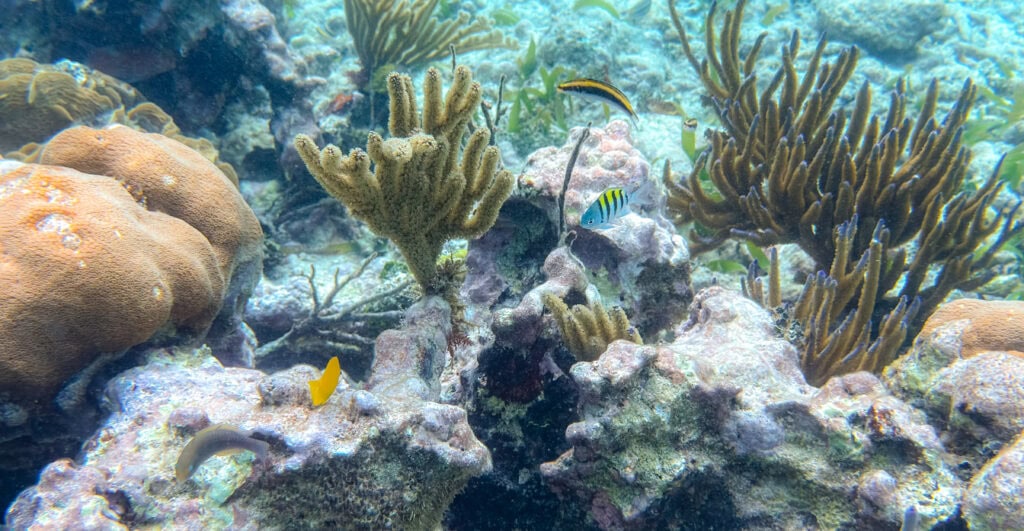
Belize has three coral atolls off its coast: Turneffe, Lighthouse Reef, and Glover’s Reef.
Glover’s sits farthest out and sees the least traffic of the three. Turneffe is the largest and closest to the mainland, Lighthouse Reef is home to the Great Blue Hole, and Glover’s is the one divers head to when they want clearer water and fewer boats on the dive sites.
The atoll forms a ring around a shallow lagoon dotted with more than 700 patch reefs, while the outer wall drops off steeply and supports larger pelagic species that don’t show up as often near shore. A few small lodges operate within the atoll itself, allowing multi-day stays built entirely around diving and snorkeling rather than day trips.
Getting out to Glover’s Reef takes more planning and a longer boat ride than the other two atolls, but for divers looking for something less crowded, it’s worth the extra effort.
10. Diving the Great Blue Hole
Flying over the Great Blue Hole shows you the shape, but diving it shows you what’s actually down there. The dive itself drops to around 130 feet, past limestone walls lined with stalactites that formed when the hole was a dry cave system before sea levels rose and flooded it.
Because of the depth, this dive is generally reserved for divers with advanced certification, and most trips depart early in the morning from Ambergris Caye or Caye Caulker for the two-hour boat ride out.
Visibility is typically excellent, and the formations inside give a sense of how the hole formed over thousands of years. Many operators pair the Blue Hole dive with stops at nearby Half Moon Caye, where you can see a large colony of red-footed boobies, and a shallower reef dive to round out the day.
People I’ve talked to said that diving was cool, but not much is seen inside. All of the wildlife is in the coral above.
11. Swim with Manatees
I had resigned myself to not seeing manatees. They aren’t numerous, nor do they congregate in one area to make a tour worthwhile. So when we were snorkeling, and my wife yelled, “Manatee!” I was shocked.
They are exactly as expected: a true Sea Cow, just slowly floating through the ocean without a care in the world.
We thankfully got two passes as it came back to us, then quickly floated out of view thanks to the slightly murky water.
12. Fly over the Great Blue Hole
The Great Blue Hole is visible from space, so imagine how cool it looks when you’re only a 1,000 feet above, staring down into the largest marine sinkhole on earth, at 400+ feet deep.
You can book your flightseeing tour from Caye Caulker, San Pedro, or Belize City to see the natural phenomenon. Our Belize itinerary unfortunately didn’t allow for this, but on our next trip, I’m sure we’ll find a way to fit it in.
You can go with Tropic Air or Maya Island Air. The tours generally cost between $235 and $265 per person, not including tax. So, if you’re a couple, expect to drop about $500 for this hour-long flightseeing tour.
13. Stay on a private island in the Caribbean
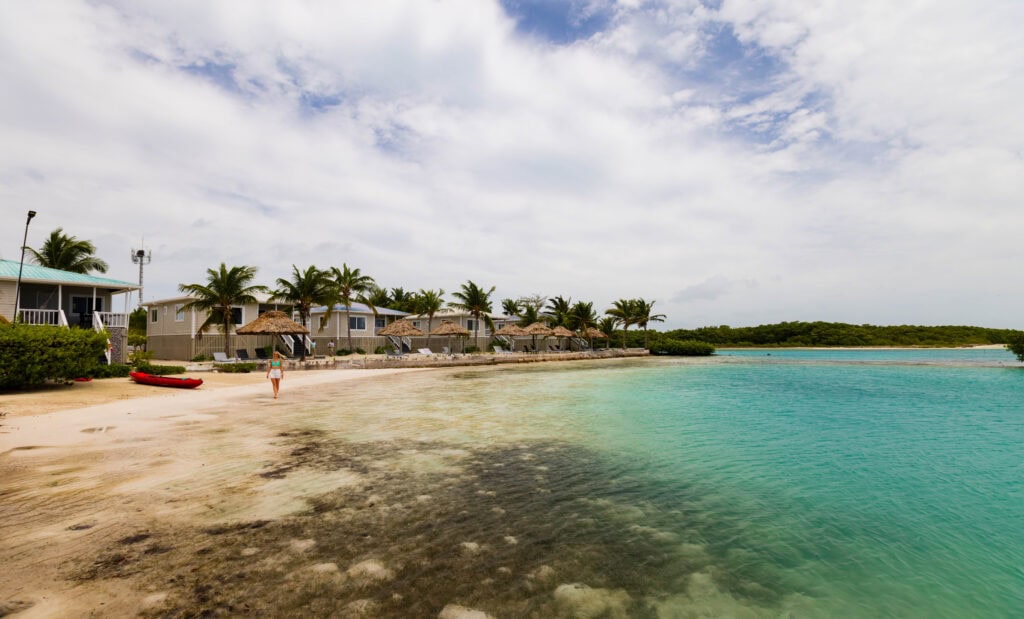
This was a VIBE! We stayed on Shaka Caye, a small private, all-inclusive island resort. They arranged our transfers to and from the island, offered additional tours such as snorkeling, a Caye Caulker adventure day, and a sandbar lunch excursion (at low tide), and provided top-tier hospitality.
Plus, the food and drinks were incredible, as were the views. My wife and I had the grandest time sipping rum drinks, swimming in the clear waters, and relaxing and unwinding.
There are a handful of other All-Inclusive Resorts throughout Belize, and I highly recommend it for your trip.
14. Visit Xunantunich Mayan Ruins
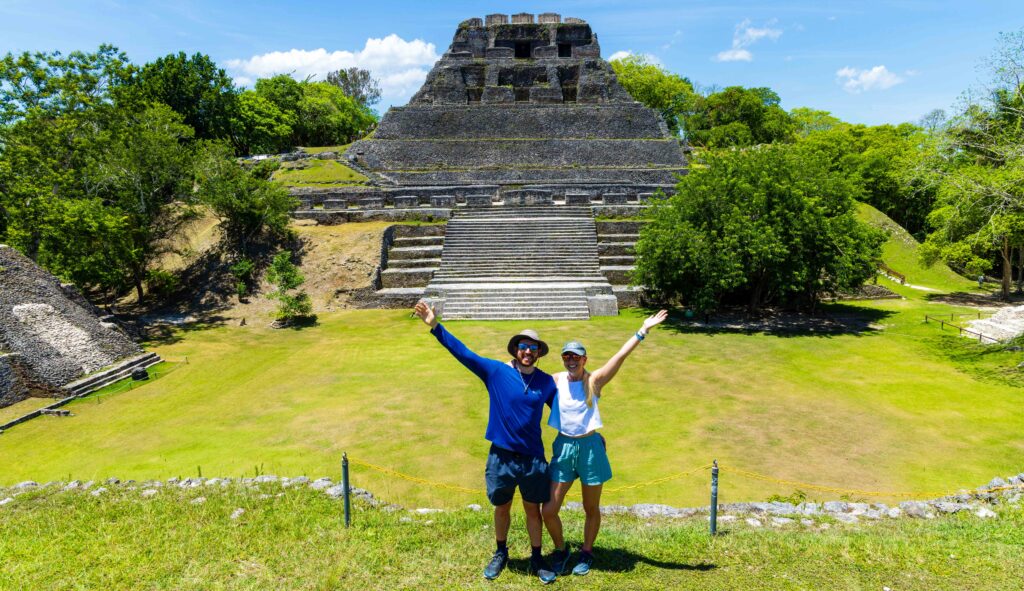
What a phenomenal experience seeing Mayan ruins dating back 1,500 years! We got to experience Xunantunich (Shoo-nan-tu-nich) on our final full day in Belize (in addition to Barton Creek Cave below).
A couple of things to know before going:
- There’s little to no shade
- It can be HOT (I sweated soooo much)
- Bring plenty of water and sunscreen
- Definitely climb to the top of the main pyramid
We toured the entire area, taking about 2.5 hours to meander through and on top of the various ruins. This is an A+ tour and so worth it.
Getting to learn about the culture, while simultaneously seeing the ruins was amazing.
15. Explore the ATM Cave
Unfortunately, you won’t be able to take any photos inside the cave because it’s prohibited. You can’t even bring a water bottle. Just yourself.
Back in 2012, the lore goes that a tourist dropped a camera (or part of a camera) on a skull and broke it. And that was the end of any documentation from guests.
Now, to the actual ATM tour. Hands down one of the best things to do in Belize. This is a wildly amazing experience.
First, you take a pretty long, bumpy road to reach the trailhead. Because we stayed at Jade Jungle, we were the first to start hiking, which basically gave us a private tour of the cave before the crowds showed up.
The hike to the cave entrance is 1-2 miles, mostly flat, though you do have three easy water crossings. Once you reach the cave, it’s go time. You’ll strap on your helmets and click on your headlamp.
Inside the ATM cave, it honestly felt like being transported to a different realm. We waded through water, climbed over rocks, and saw relics over 1,200 years old. With the warm temperatures, being inside the cool cave with the occasional swim felt amazing!
After climbing up a rock (that requires some skill, but not a ton… there are ropes to help), you have to remove your water shoes and put on socks to walk through the upper chamber where the pottery and human remains are. It was such a surreal experience.
The ATM Cave Lore
One thing to note is the tour guides really lean into the lore that sacrifices were made in the ATM Cave. Now, that is true for the couple of children’s remains that were found. But the adults, according to the archaeologist we met, who has worked extensively in Belize on Mayan ruins, the adult bodies in the ATM Cave were laid to rest there – not killed in human sacrifice.
Apparently, the decision was made at higher levels of government to lean into the sacrificial angle, even if it is not historically accurate.
Even if they are stretching the truth, this is a MUST-DO activity in Belize. Jaimie and I had so much fun, and I think you will too.
Tour Length: 5-7 hours
Adventure Level: 7/10
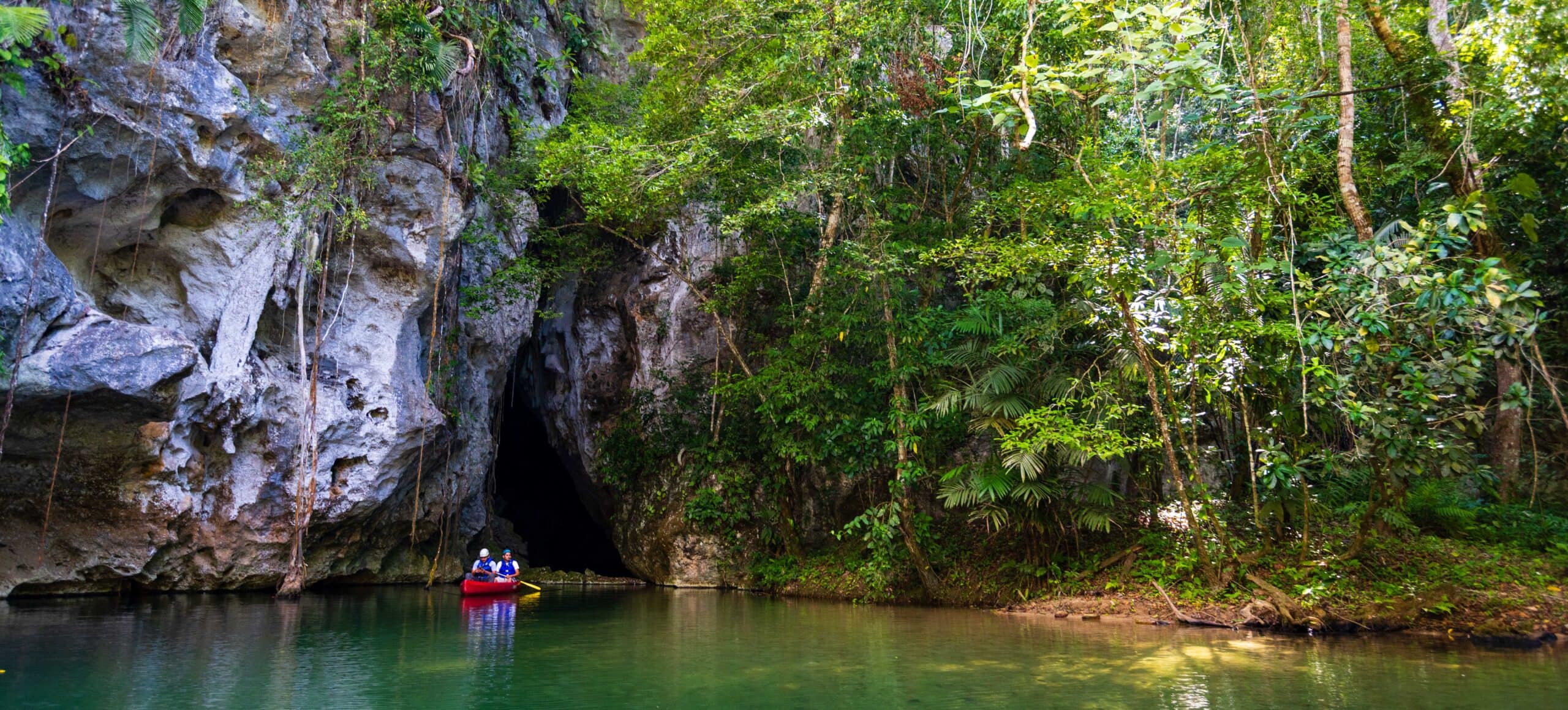
16. Canoe through the Barton Creek Cave
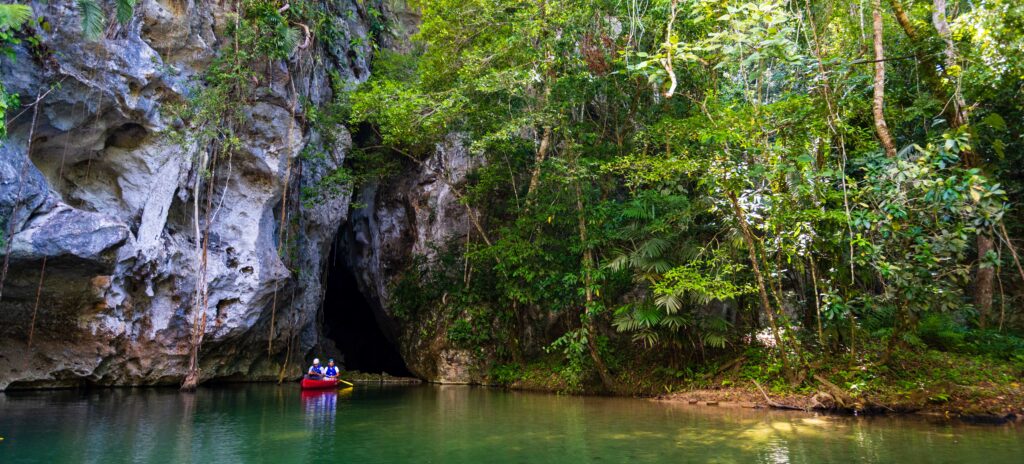
Oh, man! This was wicked cool. The Barton Creek Cave was the final tour of our trip, after spending a hot morning at Xunantunich Ruins. I didn’t really know what to expect with this cave, and it far surpassed my expectations.
First, we went way deeper into it than I realized. Secondly, the amount of unique features -stalactites growing down from the ceilings, rock bridges, massive chambers, and even a couple of human remains in view.
I absolutely loved this tour. It’s definitely one of the best things to do in Belize.
17. Go Ziplining and Cave Tubing
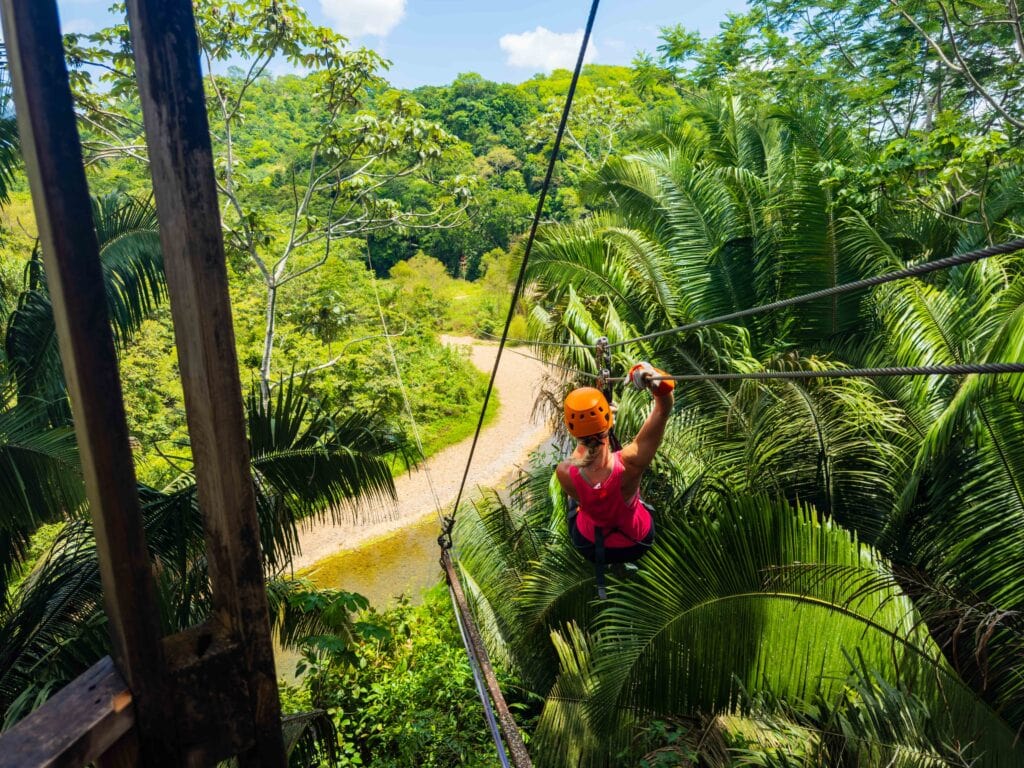
This is typically done as a joint combo and is a great day outdoors in the Belize Jungle. I’d recommend starting with a morning zipline, which has five lines. They aren’t Costa Rica-level, but it’s a good time out there, and you soar over the river twice. You do a decent amount of hiking, but it wasn’t anything overly challenging. Most able-bodied adults will do just fine.
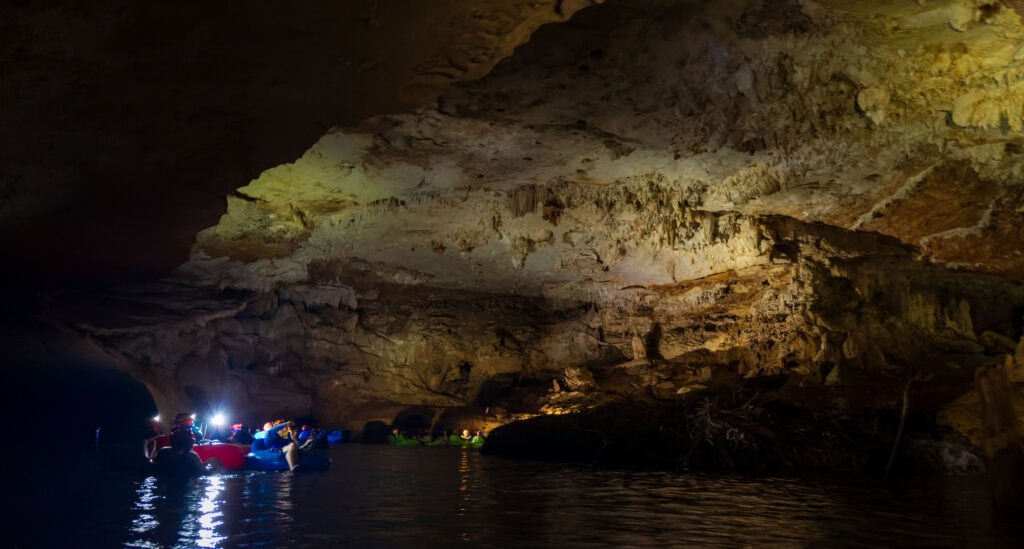
Then, you’ll head out on your cave tubing. Jaimie and I had no idea how expansive of a cave system this was. We were so impressed with the experience.
The walk to the beginning of the float was 1.5 miles, again mostly flat. In June, the water levels were low, so our creek crossings were easy to manage. From there, we loaded into our tubes and began the float. We were floating for an hour; about 65% inside the caves and then 35% under the blue sky.
18. Photograph Colorful Birds
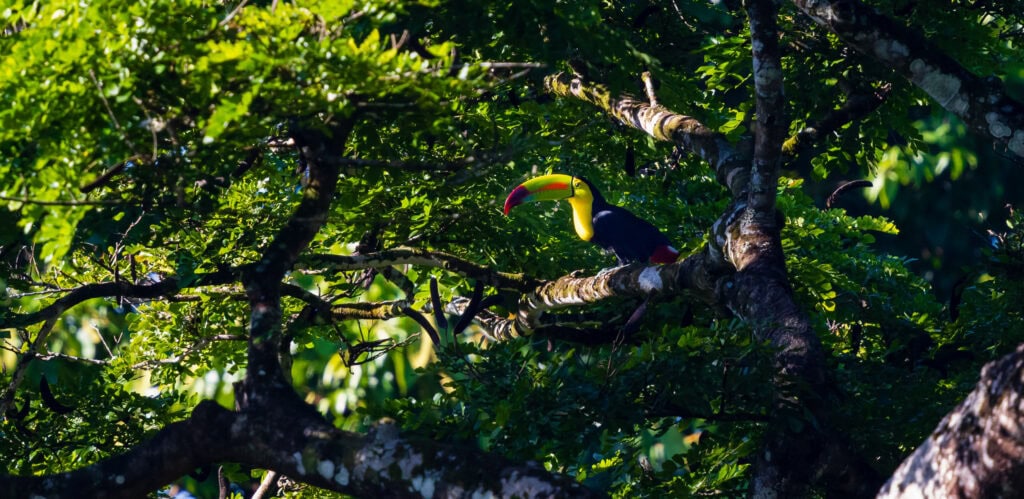
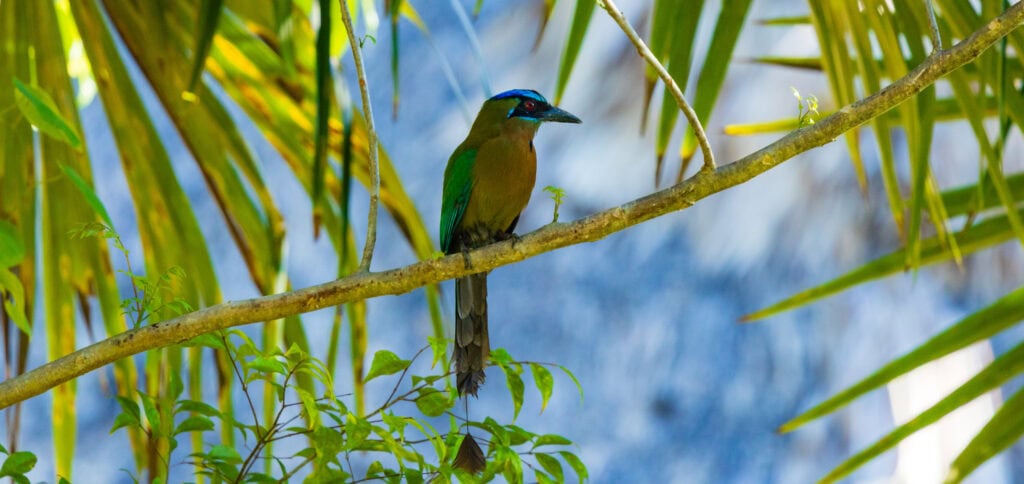
Belize, like many of its Central American neighbors, is home to colorful birds such as macaws, toucans, motmots, and more. I FINALLY got a chance to photograph a toucan at Jade Jungle during our morning birdwatching.
I was super amped about that. We also got to see a green motmot.
That said, we didn’t see much else, which was a bit of a bummer, but according to my research, the colorful birds are farther south. So, if you’re aiming for great birding, go to southern Belize.
19. Caracol Mayan Ruins
Caracol sits deep in the Chiquibul Forest near the Guatemalan border and is the largest Mayan site in Belize, with a main pyramid called Caana that still stands taller than any building in the country today.
The drive takes a few hours through the Mountain Pine Ridge area, and many tours pair the ruins with a stop at the Rio On Pools or Rio Frio Cave along the way. Once you arrive, the scale becomes obvious. Plazas stretch out in every direction, and climbing Caana rewards you with views over the surrounding jungle canopy.
Howler monkeys are common in the area, and the site sees far fewer visitors than Tikal across the border, so you can often explore without crowds. Bring water, sunscreen, and good shoes, since there is a lot of ground to cover and limited shade once you reach the open plazas.
20. Cockscomb Basin Wildlife Sanctuary
Cockscomb Basin protects a large stretch of rainforest in southern Belize and is one of the best places in the country to learn about jaguars, even though spotting one in the wild is rare.
The visitor center has camera-trap footage and tracking data that give a sense of how many jaguars actually move through the area.
Trails range from short loops near the entrance to longer hikes that lead to waterfalls and swimming holes, including Ben’s Bluff and Tiger Fern Falls. Birders come here for keel-billed toucans, scarlet macaws, and a long list of other species recorded within the sanctuary. The forest is dense and humid, so plan for a slower pace than you might expect looking at the trail map.
Staying overnight nearby gives you a shot at hearing howler monkeys at dawn, their calls carrying through the basin in a way that’s hard to forget.
21. Community Baboon Sanctuary
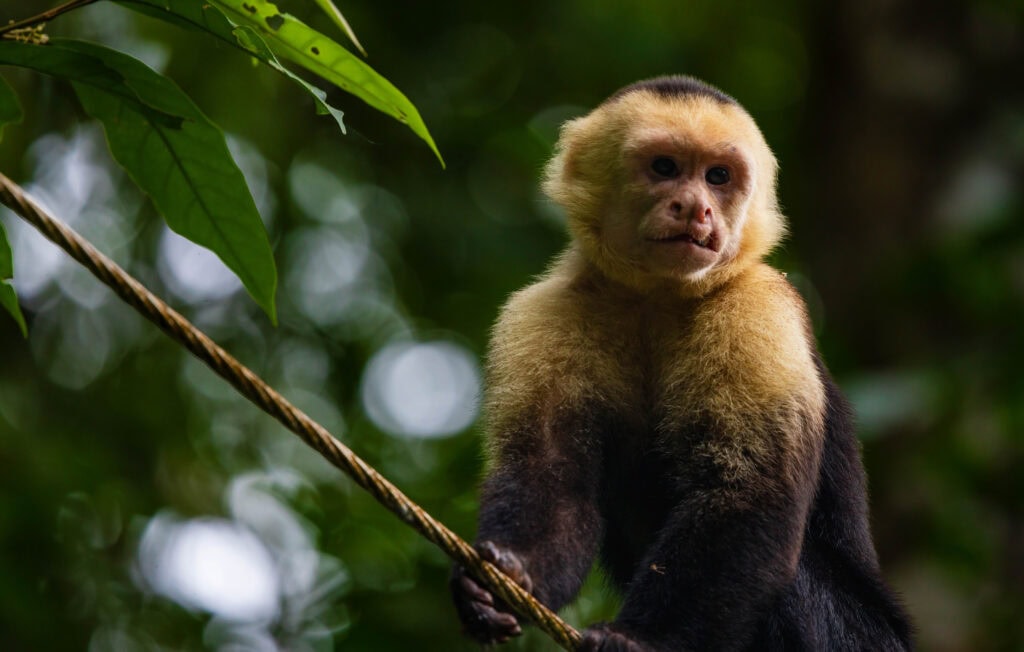
The Community Baboon Sanctuary sits along the Belize River about an hour from Belize City, protecting local black howler monkeys (Belizeans call them baboons, though they aren’t). The sanctuary works with landowners to preserve the forest corridors the howlers depend on, making it one of the country’s longer-running grassroots conservation projects.
A short guided walk can turn up a troop within twenty minutes, and the howls are loud enough to surprise first-timers. The visitor center covers the monkeys and ecosystem, and guides often point out iguanas, toucans, and other wildlife along the trail.
Given its proximity to Belize City and the airport, it’s an easy add-on to your trip in or out, rather than a dedicated day trip.
22. Lamanai Mayan Ruins
Lamanai is reached by boat up the New River, and the ride itself is part of what makes this site different from the other Mayan ruins in Belize. Along the way, you pass through wetlands where crocodiles, herons, and other birds are common, and many guides slow down to point out wildlife before you ever reach the ruins.
The site itself was occupied for centuries longer than most other Mayan cities in the region, and its main temple, the High Temple, offers a wide view over the surrounding jungle and Lamanai’s own lagoon. There is also a small museum on site with artifacts found during excavation.
Because access is by boat, tours typically combine the ruins with lunch at a riverside restaurant and time to look for wildlife on the return trip, making it a full day rather than a quick stop.
23. Mountain Pine Ridge
Mountain Pine Ridge is a forest reserve in western Belize known for granite outcrops, pine forest that looks out of place this close to the tropics, and a string of natural swimming spots. Rio On Pools is the most popular of these, a series of granite pools connected by small waterfalls where you can move from one pool to the next and swim or sit under the current.
Rio Frio Cave is a short drive away and differs from Belize’s other caves in that it’s a large open cavern you can walk through without special gear or a guide leading you through tight passages. The reserve also has several waterfalls, including Big Rock Falls, and makes a good stop if you’re already heading toward Caracol since both sit along the same road system.
24. Belizean Chocolate Tours
Cacao has deep roots in Belize, going back to Mayan cultivation long before chocolate became the product most people recognize today. Several farms near San Ignacio and throughout the Cayo District offer tours that walk through the entire process, from cacao pods on the tree to finished chocolate bars.
Guides typically explain how the beans are fermented, dried, roasted, and ground, and most tours let you take part in at least one stage of the process yourself. Some farms also cover the traditional Mayan preparation of cacao as a drink, which was bitter and spiced rather than sweet, giving a sense of how different the original product was from modern chocolate.
Many of these tours end with a tasting that compares chocolate at different stages of processing, so you can taste how the flavor develops from raw bean to finished bar.
25. Try a Traditional Meal of Rice and Beans, Fry Jack, and Garnaches
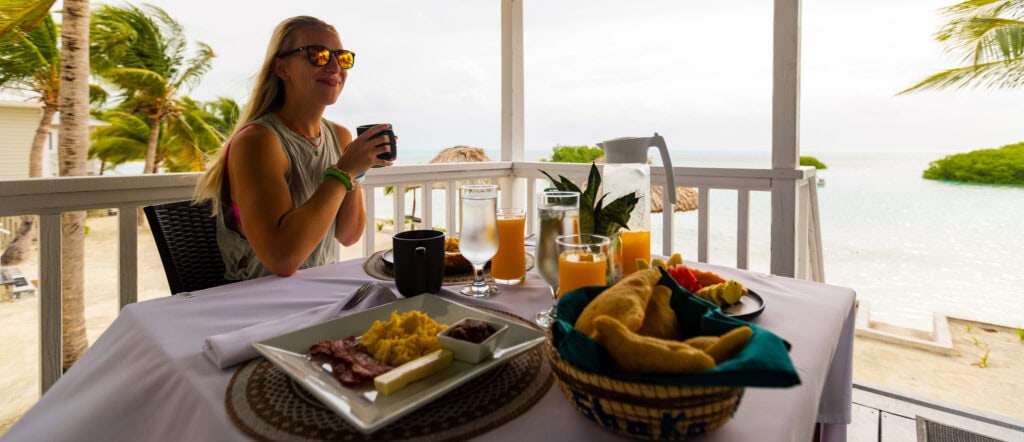
Last but not least. Not exactly comparable to most of the above, but a nice reminder to try authentic Belizean food. Rice and beans, cooked together with coconut milk, serve as a side to nearly every meal and differ from the more separate rice and beans found elsewhere in Central America.
Fry jacks are fried dough served at breakfast, often alongside eggs and refried beans, and work equally well plain or stuffed with cheese or beans. This was delicious. Highly recommend.
Garnaches are small fried tortillas topped with refried beans, cheese, and cabbage, and make for an easy snack found at street stalls and local restaurants throughout the country.
Trying these dishes at small, family-run spots rather than tourist-focused restaurants usually gives a better sense of how Belizeans actually eat day-to-day, and prices tend to be lower as well.
Where to Stay in Belize
There seem to be 4-6 main areas to stay, but that’s hardly the extent of lodging throughout Belize. The most popular areas, in no particular order, are Belize City, San Ignacio, Placencia, Caye Caulker, Ambergris Caye, and Hopkins.
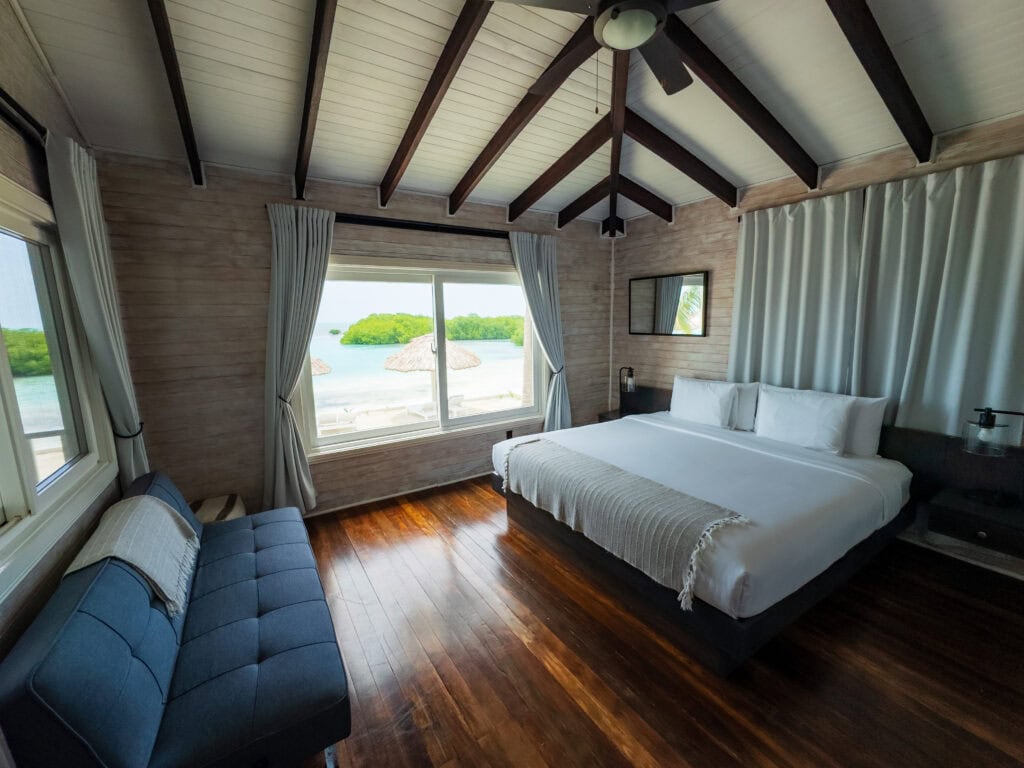
My wife and I chose a different route, staying in smaller, less-populated areas. At Shaka Caye, an all-inclusive resort on its own private island, there were only six other guests, creating a peaceful, serene environment.
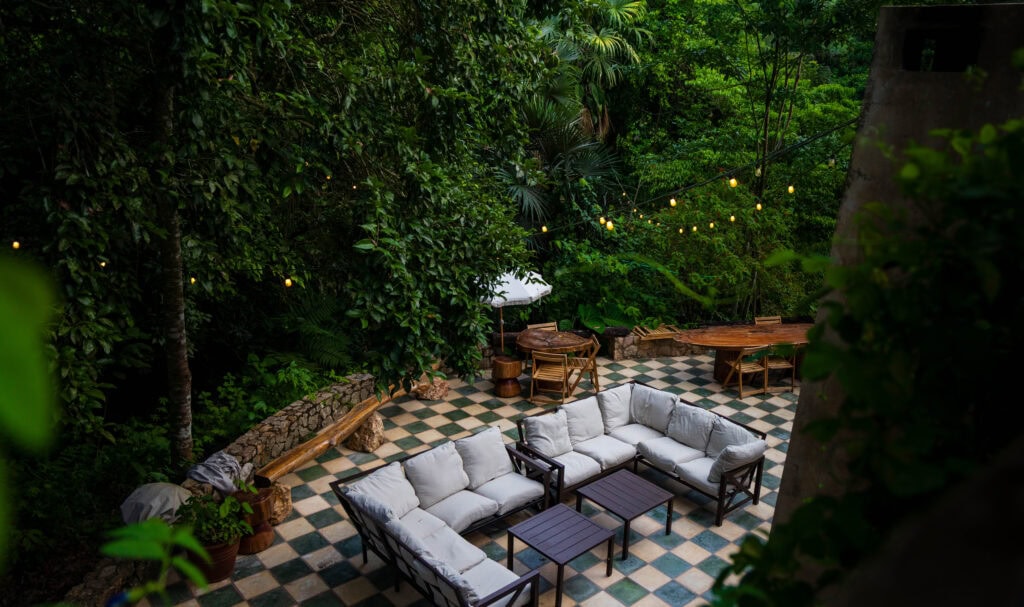
The same was true for Jade Jungle Resort. There was one family of four, plus two archaeologists researching the property.
So, while we were more or less trapped in these locations (no car, not close to anything), it was nice not to have to worry about planning, meals, or driving. If you’re looking for a really unique experience in Belize, these two are fantastic choices.
Shaka Caye Resort
What to know:
- All-inclusive for food and drinks (so many rum drinks!)
- Incredible hospitality and service
- Villas/Suites are great and have AC
- The white sand beach is fantastic (not huge, but enough)
- 15-minute car ride from the airport, plus a 25-minute boat ride
- You book tours with them, and it’s extra $$$
- Resort offers paddleboards and kayaks
Jade Jungle Resort
What to know:
- All-inclusive includes meals, tours (some exceptions), airport transfer, and basic drinks (juices, water, beer)
- Staff is super friendly, but no one makes drinks (don’t expect fancy cocktails here)
- Being first to the ATM cave is a huge perk, considering it’s so busy
- Food was the highlight. So tasty and filling. 10/10 for sure
- No AC was not fun in a heatwave – they have fans, but dang, the 4-9pm range rough (A pool is currently being built.)
- Mayan ruins are on site, and more could be found in the coming months and years
- Beautiful resort grounds in the Belize Jungle
- Not as much wildlife/birds/monkeys as I was expecting – thought they do offer morning birding tours and evening critter walks. We did see motmots, a toucan, and more.
Tidbits and Tips for Traveling to Belize
The best time to visit Belize
The typical busy season, with the best weather, runs December through April, with a little leeway on both sides. This is their dry season. That said, we visited in June, and while our first day was wet and windy, the rest of the trip was great, albeit hot.
I was talking to the team at Shaka Caye, and they said Christmas to New Year’s is their uber-busy time. I think April and May would be quite nice to visit, with lighter crowds and slightly more affordable prices.
Flights are super easy from the south and Texas
We flew in from Denver, and while we had to stop at Houston’s Hobby Airport, both flights were basically two hours long. It’s no wonder we ran into a ton of Texans! Getting to Belize is so fast for much of the central and southern United States.
Developing country in some aspects, advanced in others
While I’m no expert, I would say Belize still falls into the developing tier, given that its minimum wage is equivalent to $2.50 USD and its median income is $500- $700 USD per month.
That said, you can drink the tap water; they have a very stable political system, and most people speak English (not that that affects developed vs. developing, but it helps us Americans converse more easily). They’ve also prioritized conservation and protecting their natural landscapes – above and below water.
All that said, you shouldn’t worry about feeling at risk or unsafe when visiting. Just be smart when traveling, and you’ll be good.
2:1 Currency Exchange Makes Things Easy
The currency is pegged to the US dollar at a 2:1 rate. When you see pricing in Belize dollars, just cut it in half, and that’s how much it costs for Americans. One thing to keep in mind is to double-check if prices are in Belize dollars or US dollars.
I found that most of the time it was in Belizean.
Customs were pretty easy. No lounge at the airport
This can obviously change due to many factors, but there was no line at customs in Belize. This was a big surprise, considering that when we left Costa Rica, it was over an hour of lines.
Once through, there are a handful of eating and drinking places, but no lounge. Without a designated dining area, we ate from our laps.
Sit on the right side of the plane when you leave
If you enjoy views, you’ll want to sit on the right side of the airplane when you fly out of Belize City. It was dumping rain when we landed, so it was fun to see the Caribbean from the air and soak up the last moment of the turquoise water.
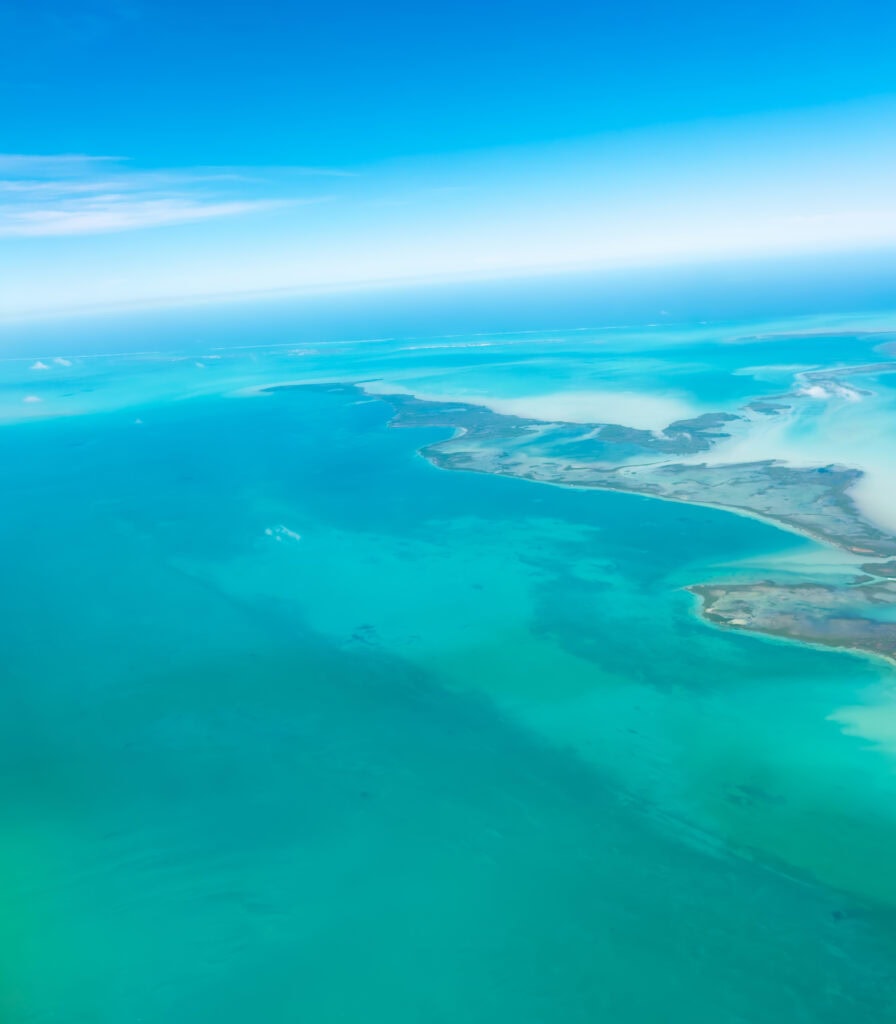
No drones allowed in Belize
Unless you go through the lengthy paperwork, you cannot bring a drone into Belize as of June 2026. (Doubt it changes anytime soon.) This is apparently a big deal, and I wouldn’t suggest testing your luck at all.
It’s a bummer considering how beautiful the waters would have looked from above.
Final Thoughts on the Best Things to Do in Belize
I really enjoyed Belize, and there are truly a ton of things to do there. But I wouldn’t say that I left totally mesmerized like in Alaska, Banff, or Iceland, which is okay. Not every place has to be the most spectacular destination in the world.
Most visitors have an incredible time and come back super stoked. I would definitely like to get back to see more of the ruins and wildlife and get scuba certified to take advantage of the barrier reef.
Until next time, adventurers, stay safe.
Follow on social media: TikTok || Instagram || Facebook || Newsletter | YouTube