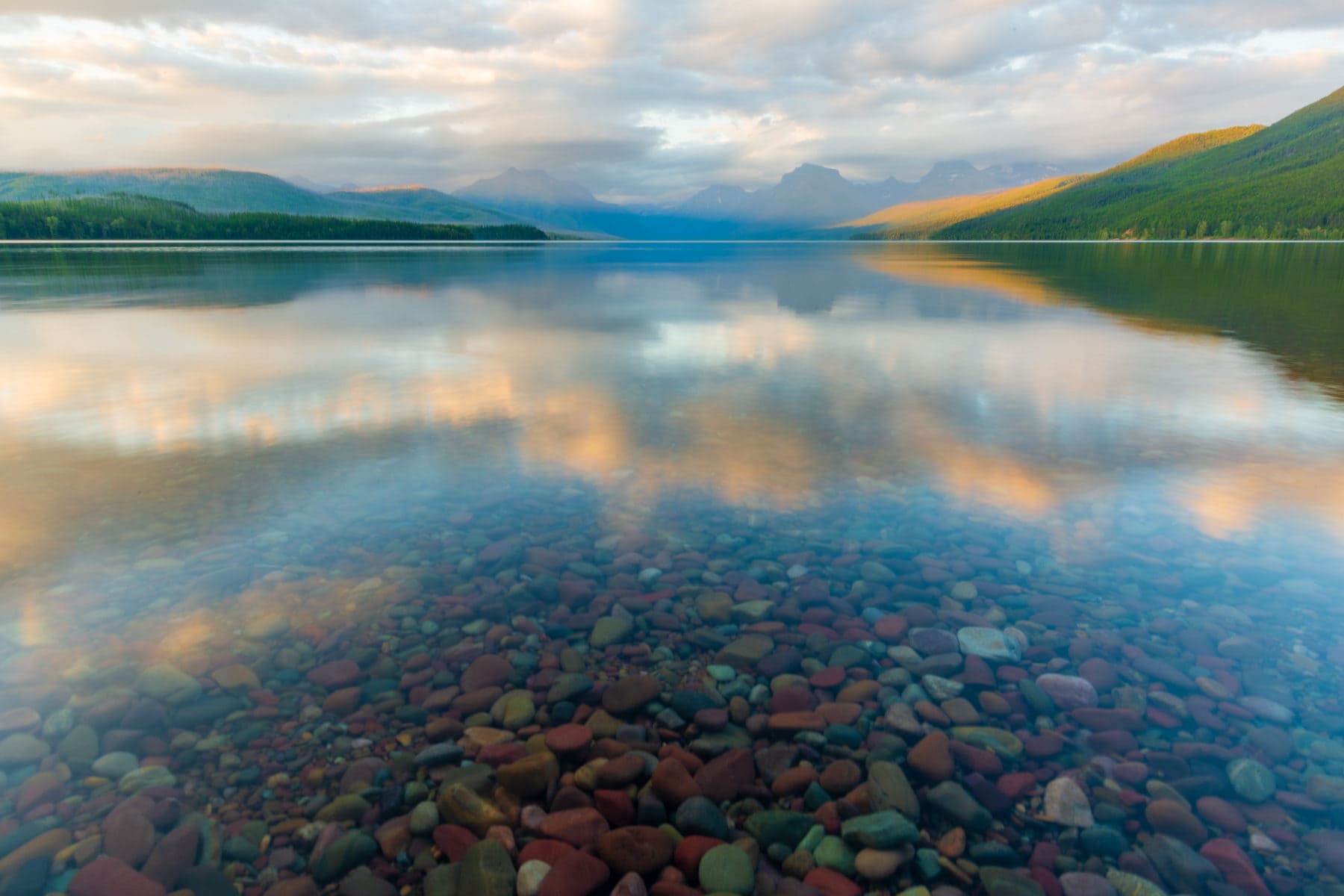
The 13 Best Hikes in Glacier National Park
Glacier has been on my radar since I was in college, when I first saw the glaciated waters and towering peaks in the distance. And from my first visit to today, it’s one of the most incredible locations I’ve ever seen. I first visited in 2017 and have returned twice since, always in the summer. It’s still the place I recommend most when someone asks where to go in the US.
Thanks to Glacier National Park’s fantastic hiking trails, you get HUGE payoffs no matter where you go. That’s just the reality of the terrain. A few hours of climbing get you to places that feel genuinely remote, with wildlife and views that are hard to find anywhere else in the lower 48.
Glacier has over 700 miles of trails, and most people show up not knowing where to start. These 13 are the ones I’d point someone to first.
The Ultimate Guide to the 13 Best Hikes in Glacier National Park
Highline Trail
One of the most famous and popular Glacier National Park hiking trails.
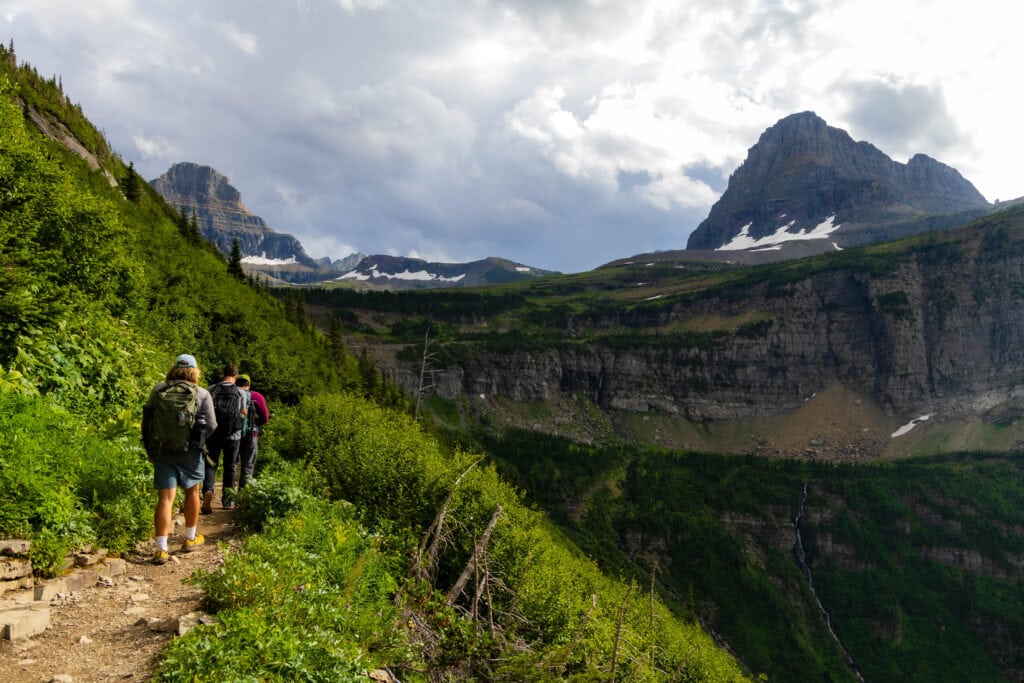
The Highline Trail runs along the Garden Wall above Logan Pass — a narrow ridge with an immediate drop on one side and uninterrupted views of the park spreading out below. It’s 11 miles one way if you hike all the way to Granite Park Chalet, though most people do part of it and turn back.
The first stretch from the trailhead has a cable assist along a cliff face that gets most of the attention online. It’s not as dramatic as it looks in photos — the ledge is wider than it appears, but it does set the tone for the rest of the hike.
If you’re only doing a handful of trails in Glacier, this one should be on the shortlist. The views from the ridge are as good as it gets in Montana.
Trail stats: 11.6 miles one way | 830 ft elevation gain | Strenuous | Starts at Logan Pass
Find the perfect backpacking pack
Grinnell Glacier
Hands down, my favorite hike in Glacier National Park. This hike takes you to one of the park’s most stunning glaciers, the Grinnell Glacier. The trail is a 9.6-mile round trip, with a challenging ascent through alpine meadows and over creeks.
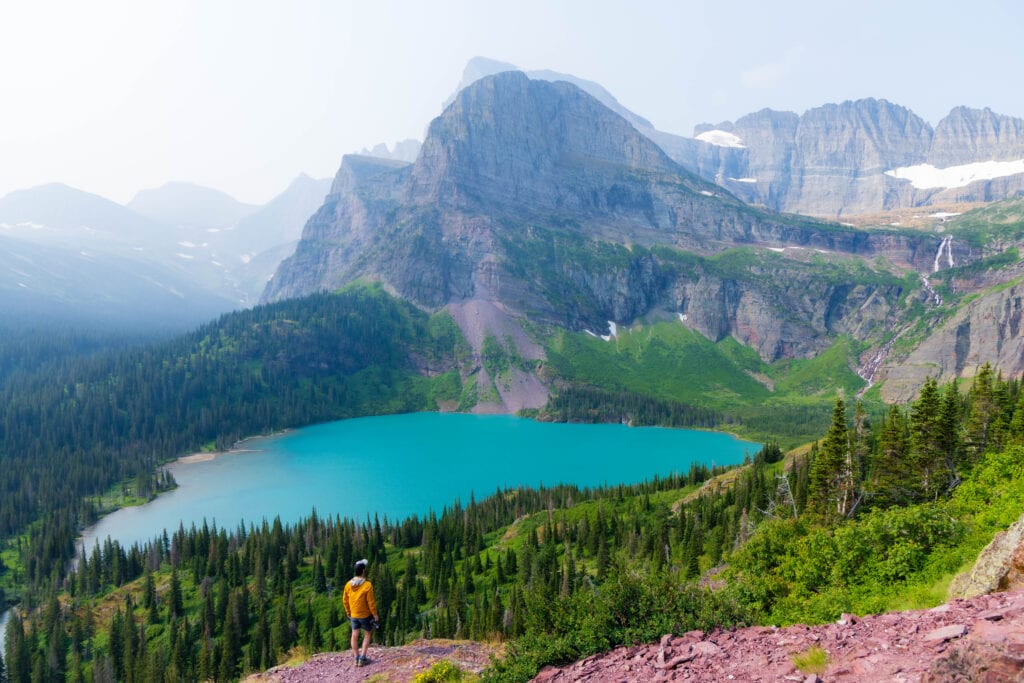
The trail climbs through alpine meadows and past two lakes before reaching the glacier itself — a blue-white wall of ice tucked into a cirque at the base of the Continental Divide. You can get right up to the edge of the meltwater lake in front of it, and on a calm day, the reflection is one of the best things I’ve photographed in the US.
The hike is 9.6 miles round trip with about 1,600 feet of gain. It’s genuinely worth the effort, even for people who don’t consider themselves serious hikers. Just start early as the trail out of Many Glacier gets busy fast.
Trail stats: 9.6 miles RT | 1,600 ft elevation gain | Moderate-Strenuous | Starts at Many Glacier
Iceberg Lake
The payoff at the end of this hike is Iceberg Lake — a deep blue-green lake with chunks of ice floating on the surface well into summer, sitting at the base of a 3,000-foot cliff that walls off the back of the cirque. It’s one of those places that actually looks like the photos.
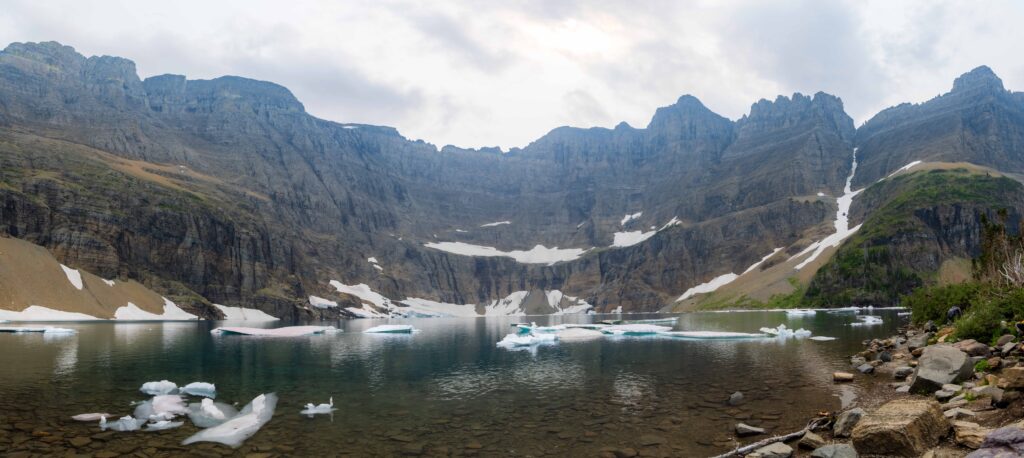
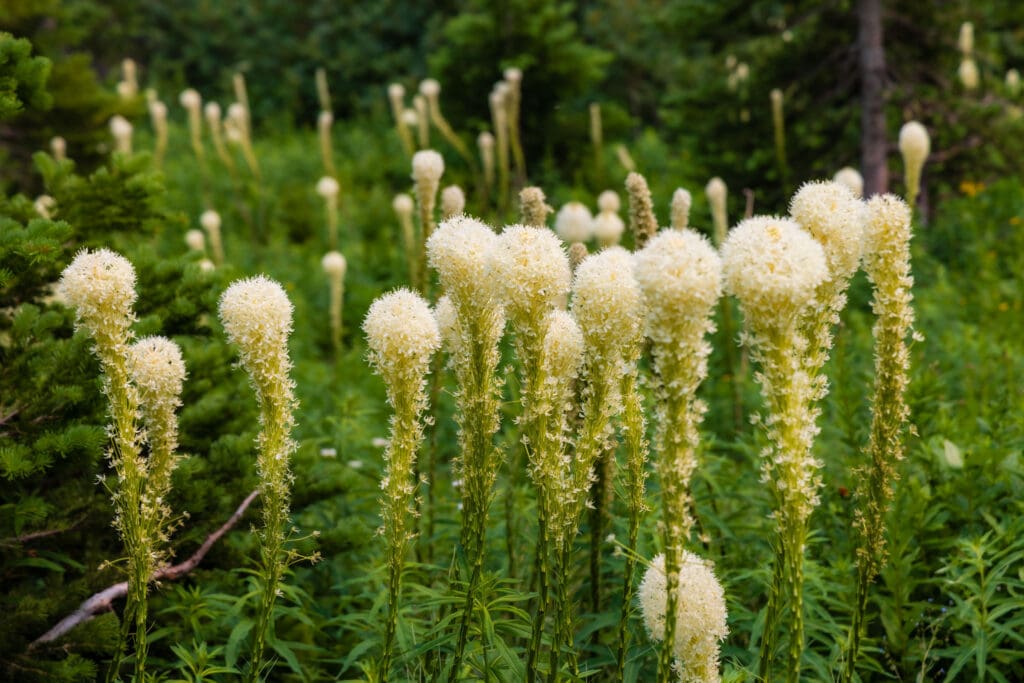
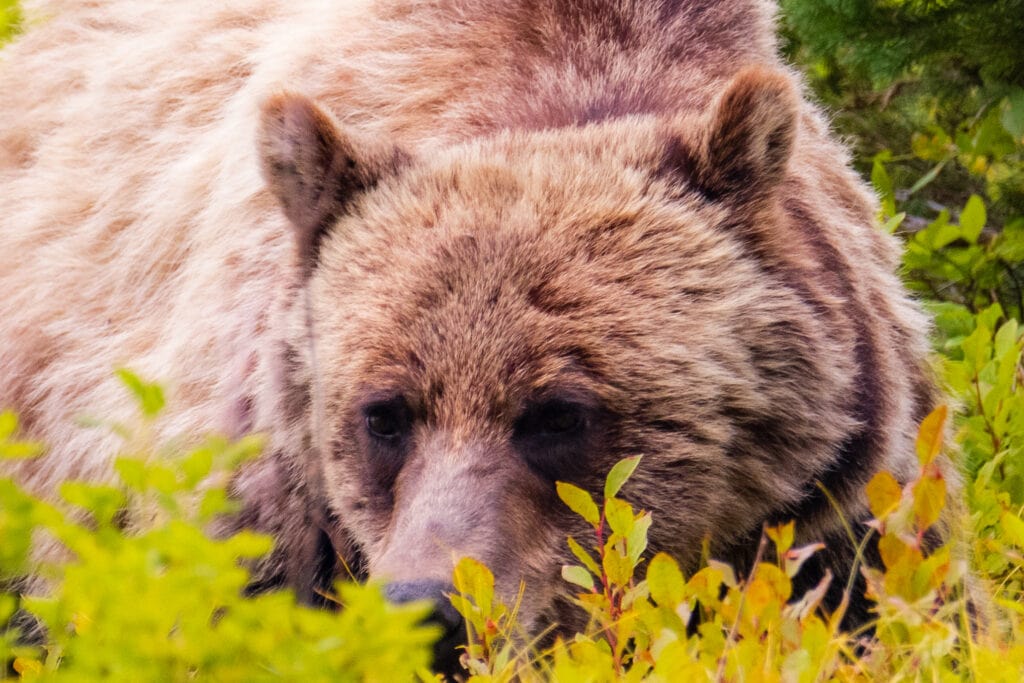
The trail is 9.7 miles round trip, mostly gradual climbing through open meadows with consistent views of the Swiftcurrent Valley below. I’ve done it twice. Both times the wildflowers and bear grass along the upper stretch were worth stopping for, and both times there were grizzlies visible on the far hillsides.
Bring binoculars.
Trail stats: 9.7 miles RT | 1,275 ft elevation gain | Moderate | Starts at Many Glacier
What to bring on a backpacking trip
Two Medicine Lake
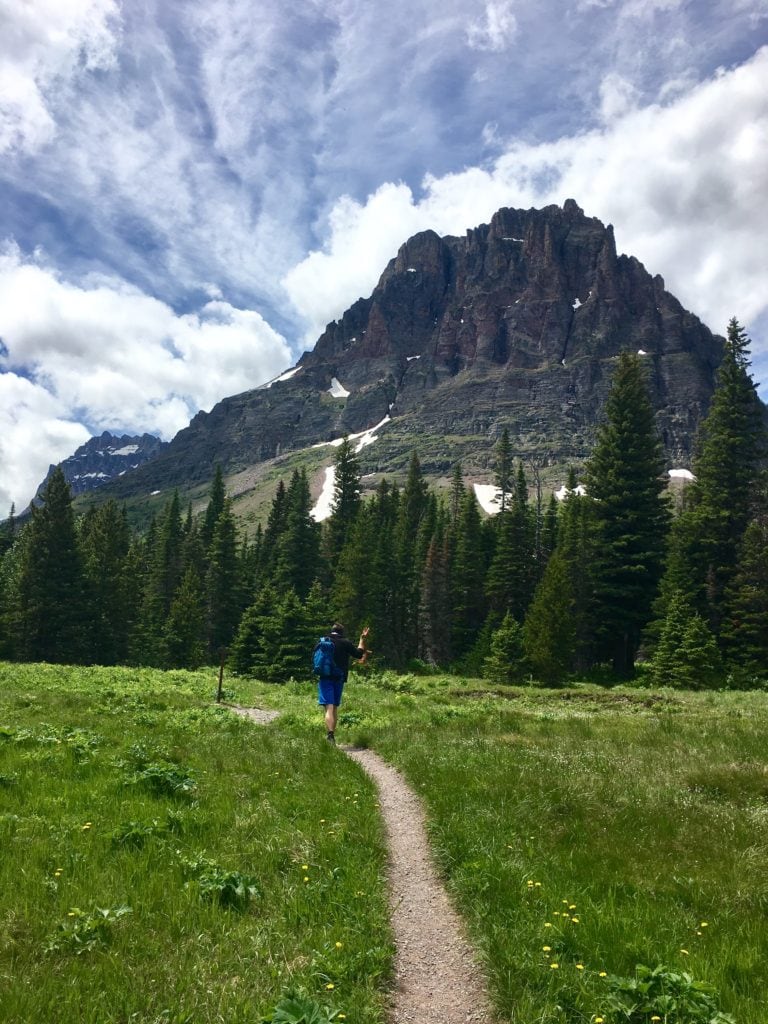
Two Medicine is the less-visited corner of Glacier, so this trail tends to be quieter than the Many Glacier hikes, even on summer weekends. The trail follows the north shore of the lake with the mountains stacked up behind it, and ends at a waterfall that makes for a good turnaround point and a better lunch spot.
At 3.7 miles round trip with minimal elevation gain, it’s one of the more accessible hikes on this list. Good option if you’re traveling with people who aren’t up for a full-day trail, or if you want to add something easy after a harder morning hike.
I had the chance to visit in June of 2017, on my first trip to Glacier, and loved it!
Trail stats: 3.7 miles RT | ~300 ft elevation gain | Easy-Moderate | Starts at Two Medicine
RELATED: The BEST summer road trip in America
Hidden Lake and Hidden Lake Overlook
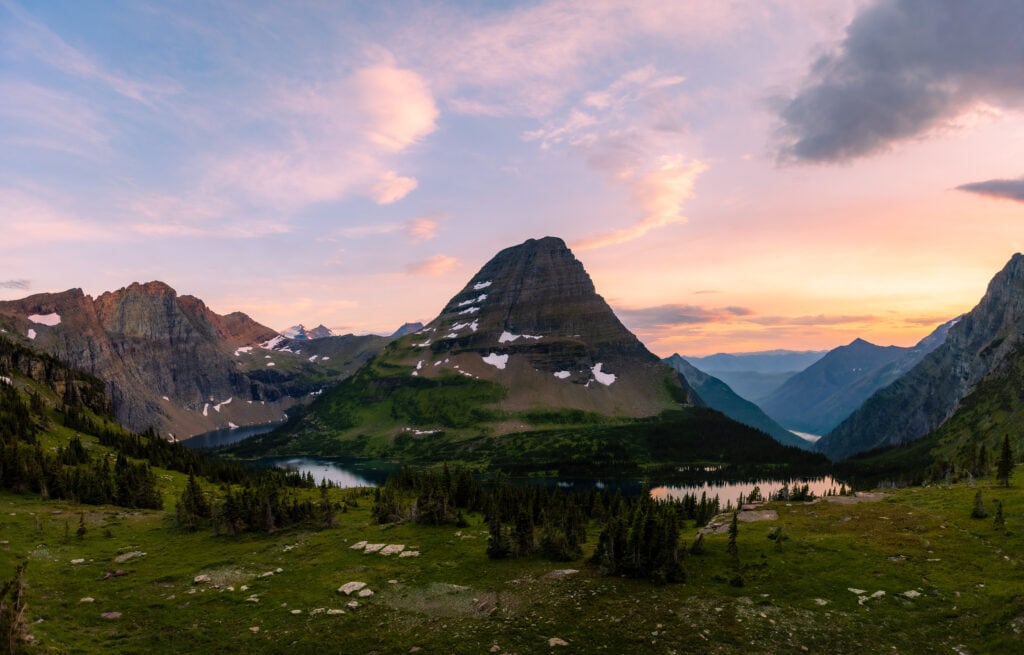
There’s simply nothing like Glacier National Park hiking. Starting from Logan Pass, you’ll hike through meadows filled with wildflowers and stunning views. With a length of 6.6 miles round trip, this hike is a bit of a workout, but the reward is a beautiful alpine lake surrounded by towering peaks.
I highly recommend it as one of the best hikes in Glacier National Park
To note: The lake has a lot of bear activity and is usually closed at the Overlook. The hike from Logan Pass to the Overlook is a pretty easy 1.5 miles.
Trail stats: 6.6 miles RT to lake | 1,360 ft elevation gain | Moderate | Starts at Logan Pass
Bowman Lake
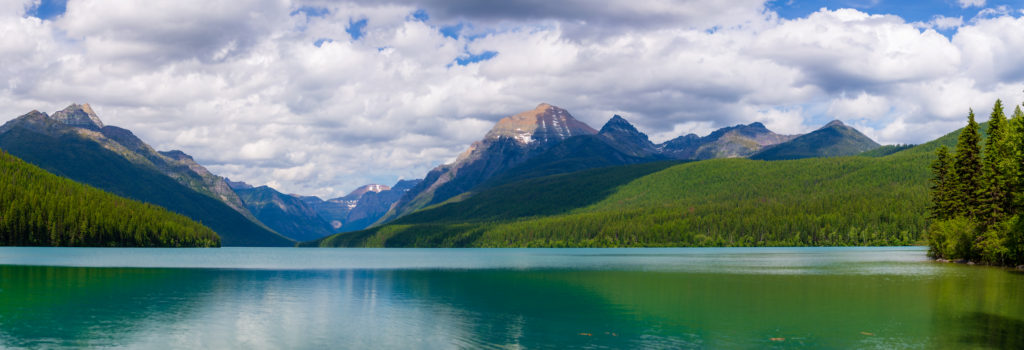
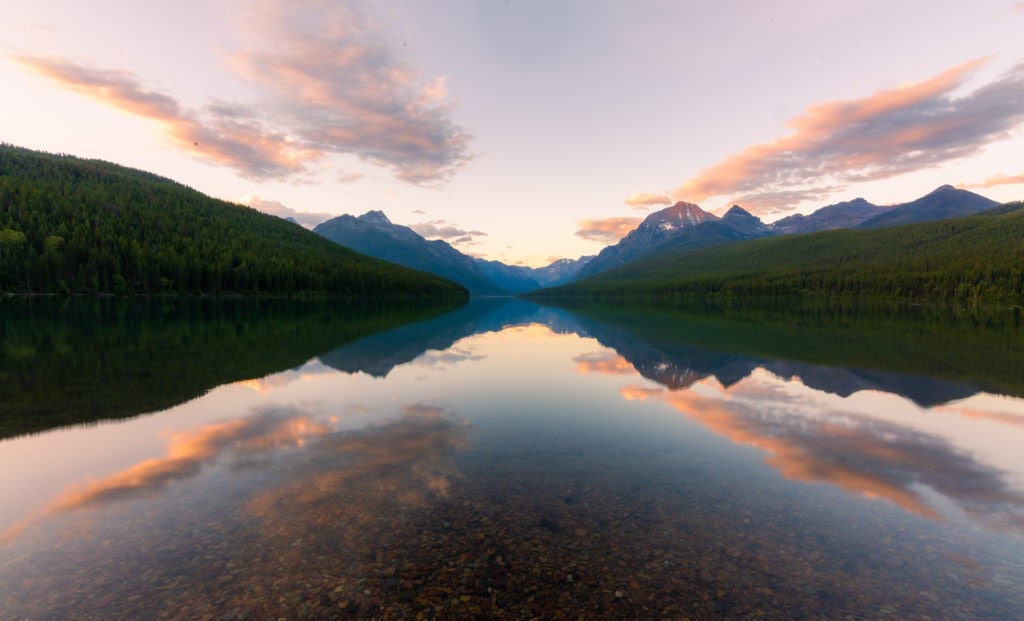
Bowman Lake is on the remote northwest corner of the park — a 26-mile dirt road from Polebridge to reach it. That drive is the reason most people don’t go. It’s also the reason that when you get there, the lake and surrounding peaks feel like your own.
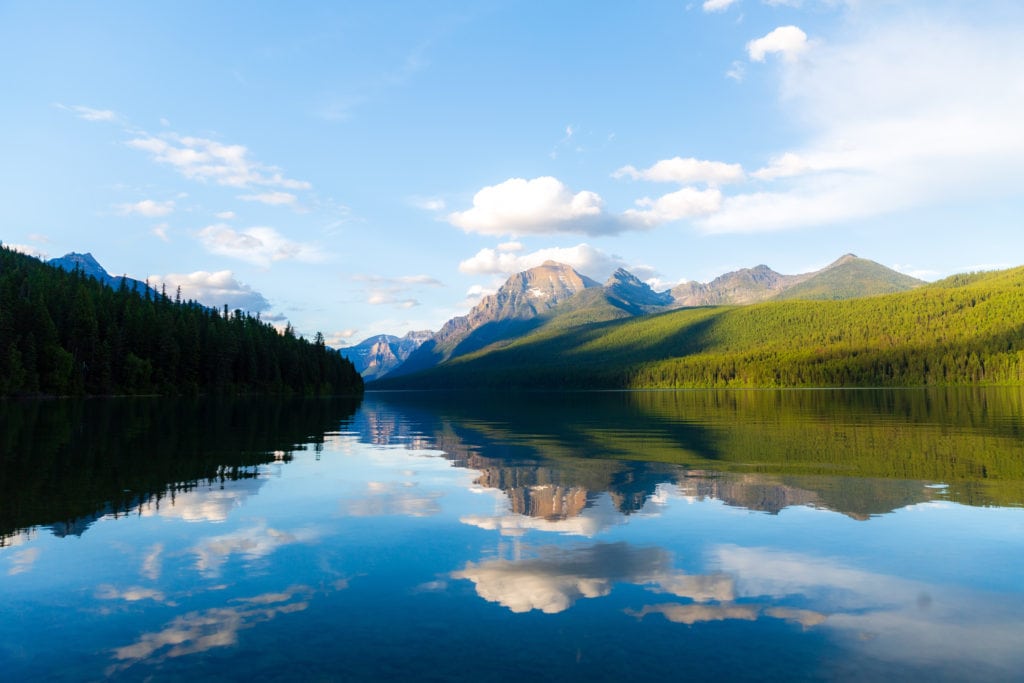
The trail runs along the north shore, flat for most of its length, with the peaks reflecting off the lake when the wind is calm. It’s an 8-mile round trip to Bowman Creek and back. For a west-side hike in Glacier, I think this area has the best scenery in that part of the park.
Stop at the Polebridge Mercantile on the way out. Get a pastry. You’ve earned it.
Trail stats: 8 miles RT | ~300 ft elevation gain | Easy | Starts at Bowman Lake Campground
Siyeh Pass
Siyeh Pass is a point-to-point trail that crosses the Continental Divide, with a shuttle required unless you’re doing an out-and-back. The high point at the pass is around 8,100 feet, and the views from the top down into the Sexton Glacier basin are some of the more dramatic in the park.
At 10.2 miles with 3,300 feet of gain, it’s one of the harder day hikes on this list. Not a trail to attempt if you haven’t gotten your legs under you earlier in the trip. But if you’re looking for a bigger challenge and a quieter trail than Grinnell or the Highline, this delivers.
Trail stats: 10.2 miles one way | 3,300 ft elevation gain | Strenuous | Starts at Siyeh Bend
Get your backpacking questions answered.
Trail of the Cedars and Avalanche Lake
This is a two-part trail that connects. The Trail of the Cedars is a short boardwalk loop through old-growth cedar and hemlock — completely flat, usually crowded, and genuinely worth the five minutes it takes. From there, the Avalanche Lake trail climbs through the forest for two miles before opening onto one of the most-photographed lakes in the park.
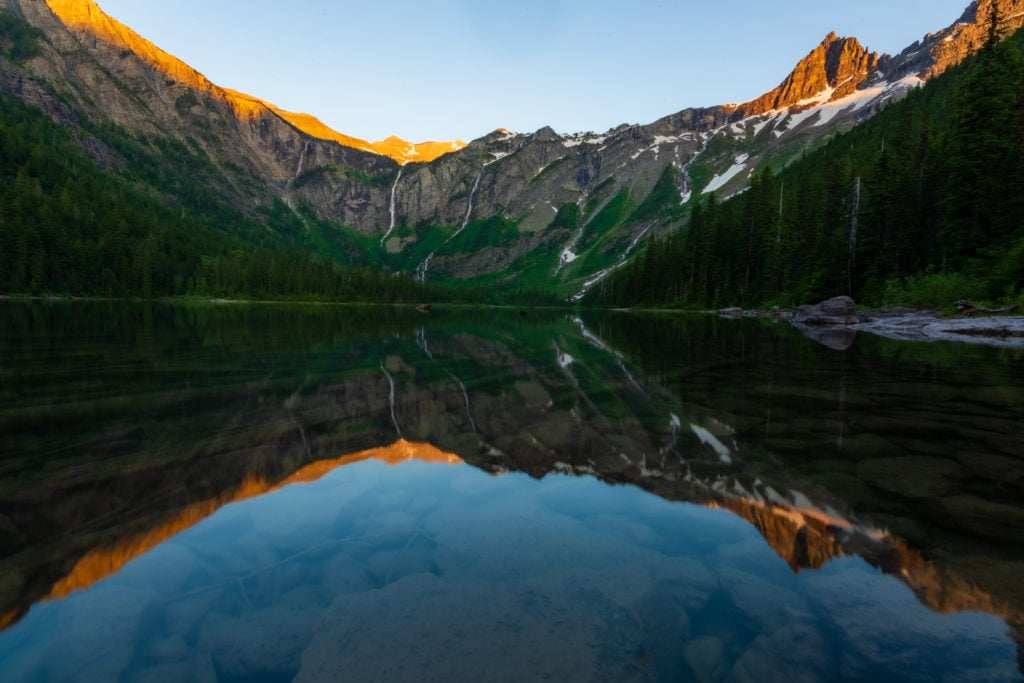
The lake sits at the base of a steep-walled cirque, with waterfalls dropping off the cliffs on three sides. I went at golden hour in 2020, and the light on the peaks above the falls was extraordinary. It’s a popular trail by any measure — plan on other people being there — but the destination earns it.
Trail stats: 6 miles RT | 730 ft elevation gain | Moderate | Starts at Avalanche Creek trailhead
Swiftcurrent Pass
Swiftcurrent Pass is the longer option out of Many Glacier — 14.4 miles round trip with 2,700 feet of gain to the pass, and the option to continue to Granite Park Chalet and connect with the Highline. It’s a full day regardless of which way you do it.
The payoff is the view from the pass itself: Swiftcurrent Valley on one side, the Livingston Range stretching north on the other. If you’re planning a multi-day trip and considering the Chalet route, this is the best way to connect the east and west sides of the park on foot.
Trail stats: 14.4 miles RT | 2,700 ft elevation gain | Strenuous | Starts at Many Glacier
Gunsight Pass
At 17.6 miles round trip, Gunsight Pass is the biggest day hike on this list and more realistically a two-day backpacking trip with a stop at Gunsight Lake. The trail crosses the Garden Wall at the pass and drops into the Lake Ellen Wilson basin on the other side.
Honest recommendation: unless you’re specifically building a multi-day route that uses this crossing, the other hikes in the park give you more per mile. If you’re short on time, Grinnell Glacier or the Highline will be more rewarding per hour spent.
Trail stats: 17.6 miles RT | 3,500 ft elevation gain | Strenuous | Starts at Jackson Glacier Overlook
Loop Trail at Many Glacier
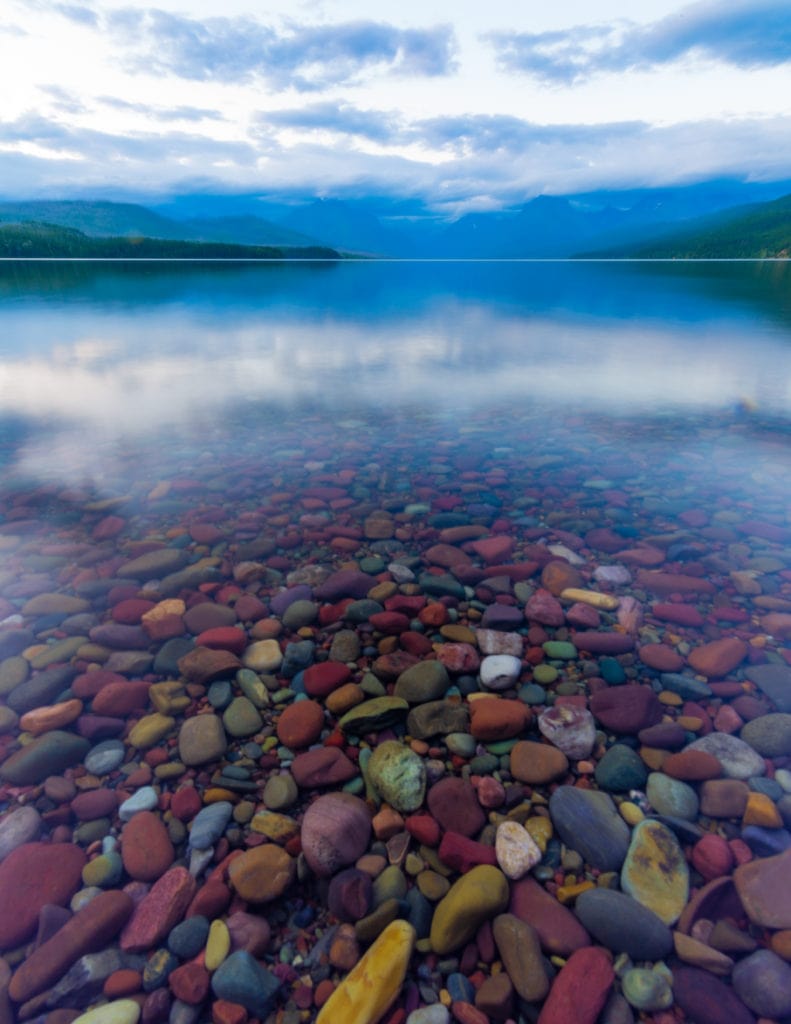
This is the warm-up hike at Many Glacier — a 7.4-mile loop that circles Swiftcurrent Lake and Lake Josephine with the peaks of the Continental Divide behind them the whole way. Low elevation gain, a clear trail, and consistently good views.
It’s also a solid wildlife corridor. I’ve seen moose near the inlet of Lake Josephine on multiple occasions, and bears are active in this area throughout the summer. It’s the easiest trail out of Many Glacier and still better than most hikes in other parks.
Trail stats: 7.4 miles RT | ~600 ft elevation gain | Moderate | Starts at Many Glacier Hotel
Cracker Lake
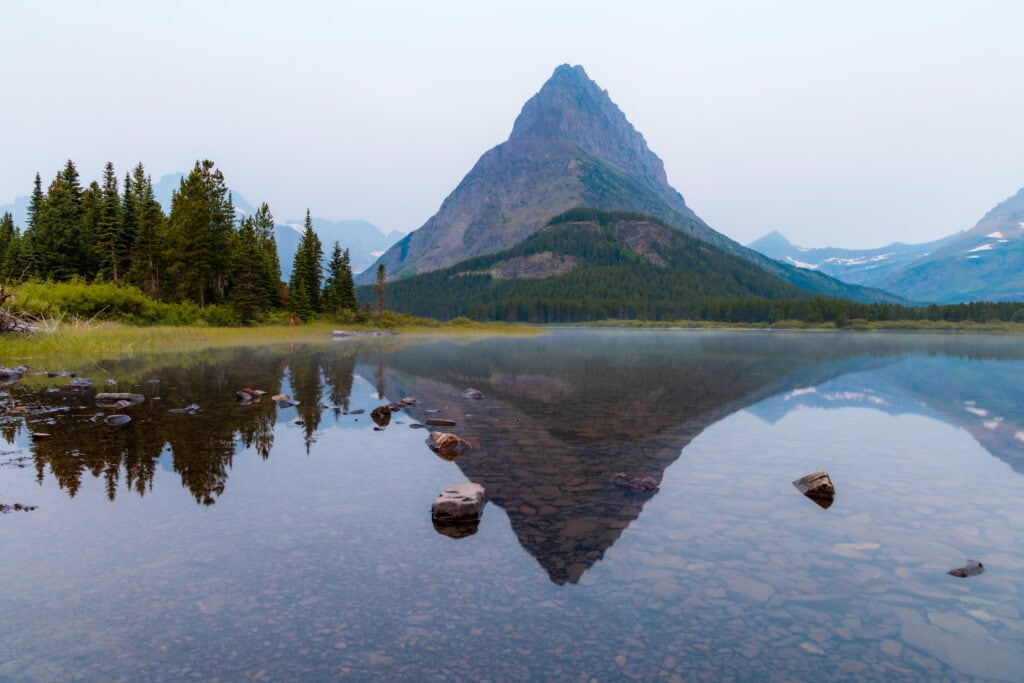
Cracker Lake is known for two things: the turquoise color of the water and the fact that the trail is frequently closed due to grizzly activity. If it’s open when you’re there, go.
The lake sits at the base of a massive talus slope at the head of the canyon, and the color — a dense, almost unnatural teal from glacial flour suspended in the water — is unlike anything else in the park. The 11-mile round-trip hike has about 1,600 feet of elevation gain across moderate terrain.
Check the NPS website for closures before you make the drive out to Many Glacier.
Trail stats: 11 miles RT | 1,500 ft elevation gain | Moderate-Strenuous | Starts at Many Glacier
Sperry Chalet
Sperry Chalet is a 12-mile hike from the Lake McDonald Lodge trailhead on the west side, gaining around 3,400 feet to reach the stone chalet perched on a ledge above Sperry Glacier. The chalet was built in 1913, damaged in the 2017 Sprague Creek fire, and has since been restored.
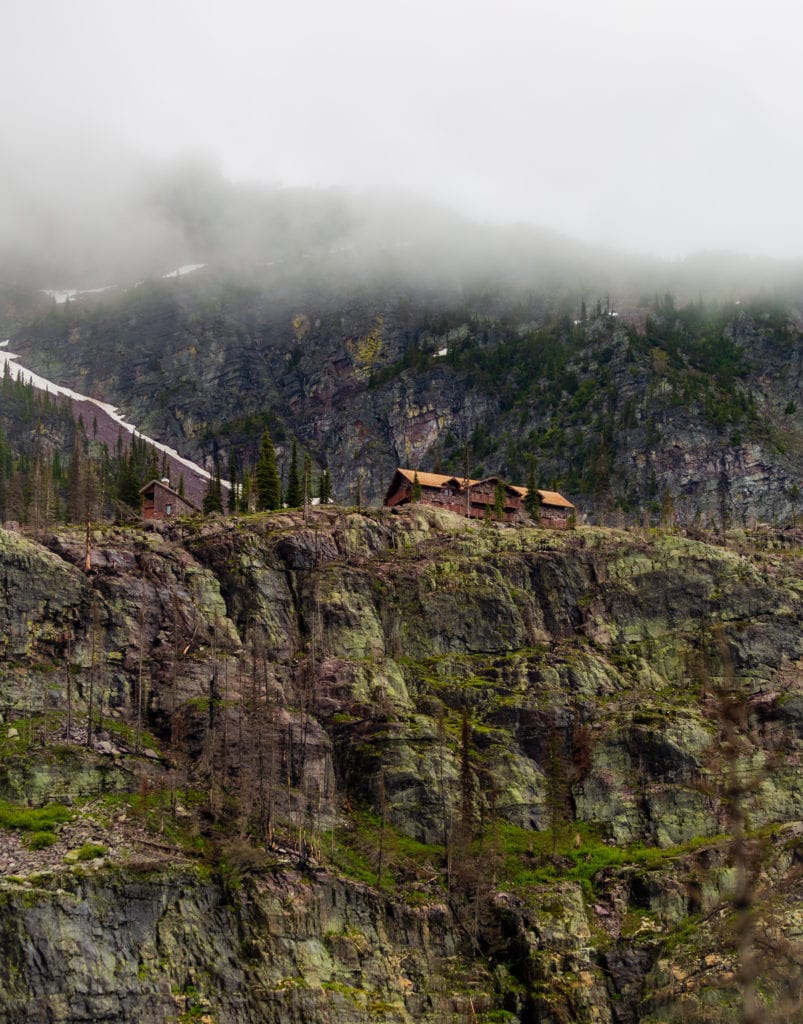
You can day-hike it if you’re fit and start early, but it’s better as an overnight. The chalet offers bunk-style accommodations and dinner, which makes the climb considerably more appealing at the end of a long day. Reservations book out months in advance.
For a west-side hike that gets comparatively little traffic given how good it is, this is worth putting on your radar — especially if you’re planning a longer trip.
Trail stats: 12 miles round trip | 3,400 ft elevation gain | Strenuous | Starts at Lake McDonald Lodge
No Reservation is needed for Glacier – but new rules are in place
The timed-entry vehicle reservation system that ran from 2021 through 2025 is gone for 2026.
No vehicle reservation is required to enter any part of the park, including Going-to-the-Sun Road, Many Glacier, Two Medicine, and the North Fork. What has changed is Logan Pass.
Starting July 1, parking at Logan Pass is limited to three hours — enough time to hike to the Hidden Lake Overlook or visit the visitor center, but not enough for the Highline Trail or anything longer. If you’re planning a hike that starts at Logan Pass and runs more than three hours, you’ll need a shuttle reservation.
The Going-to-the-Sun Road shuttle runs on a ticketed system starting July 1. Tickets are $1 and must be reserved in advance through Recreation.gov — you cannot buy them at the park. Booking opens in two windows: 60 days out starting May 2, and a next-day release at 7pm MDT beginning June 30.
The early-morning express shuttles to Logan Pass will not stop at Avalanche or pick up passengers without tickets, so don’t show up without one if you’re headed to the Highline.
One heads-up: with no entry reservation system in place, the park is already seeing increased congestion compared to recent years. Expect crowded lots and delays, especially on weekends in July and August. Starting early is more important than ever.
What you need to know about hiking in Glacier National Park
Which side of Glacier National Park is most scenic?
I find the east side of Glacier to be more dramatic and beautiful. Of course, you also can’t discount the stunning views at Logan Pass either. But if I were planning a trip, the Many Glacier side would get my attention. Many of those hikes are listed below.
Is it better to stay in East or West Glacier National Park?
It’s easier to stay on the west side as Columbia Falls, West Glacier Village, and Whitefish are nearby for lodging. On the east side, you have fewer options as it borders the Blackfeet Indian Reservation. However, there are still places to stay on the east side to take the best hikes in Glacier National Park.
Best places to book your hotel:
- Columbia Falls
- Babb
- Whitefish
- East Glacier
- Kalispell – Check out the best things to see here
How can I avoid the crowds on my trip to Glacier?
Glacier is crowded these days. Unfortunately, there’s not a lot one can do to avoid them altogether. My biggest suggestions are to hike early and late and tackle more challenging trails that see fewer people. In addition, visiting during the week vs. on the weekends can help you somewhat beat the crowds.
What is the most popular hike in Glacier National Park?
I’d say the most popular trails are: Avalanche Lake, Grinnell Glacier, Iceberg Lake, and Hidden Lake.
What is the best month to hike Glacier National Park’s best trails?
Overall, the summer months, from July through September, are the best months to hike in Glacier. The trails will have melted out by then, and you’ll have gorgeous views from wherever you hike!
But if we have to choose one month, I’d say August. The days are long, the weather is perfect, and it’s too early for wildfire season.
What not to miss in Glacier National Park?
Here are four things not to miss when visiting Glacier National Park:
- Going-to-the-Sun Road and Logan Pass
- Grinnell Glacier
- Avalanche Lake
- Bowman Lake
How many days do we need for the best hikes in Glacier National Park?
In order to do as many of the best hikes in Glacier National Park, I recommend at least five days in the park – especially if you’re going to see both sides. This is the Crown Jewel of the Continent, and you should not try to rush the experience.
What is the prettiest part of Glacier National Park?
As I’ve already touched on, the Many Glacier portion of Glacier National Park is unbelievably beautiful. You have the best hikes in Glacier National Park, all starting from the same area and leading to ridiculous views. I could spend all summer in this area!
What gear do I need for hiking in Glacier National Park?
To tackle the best hikes in Glacier National Park. With highs in the 60s-70s, you will likely need warmer clothes during the morning and night, but during the day, you can do fine with a short-sleeve shirt.
Glacier National Park Hikes – Clothes
- Hiking shirt or sun shirt
- Fleece Jacket
- Rain Jacket
- Down Jacket
- Hat
- Beanie
- Sunglasses
Best Hikes in Glacier National Park – Gear
- Day pack
- Hiking Poles
- Bear Spray
- Hiking Boots
- Water filter
- 10 Essentials
FAQ: Best hikes in Glacier National Park
When should I avoid Glacier National Park?
Honestly, never. It’s so dang good. But the dead of winter can be a bit frigid, and a lot of the park is closed off. Also, weekends during the summer can be a bit rough for crowds and parking. Still, it’s worth it, and you can still knock out a couple of the best hikes in Glacier National Park.
What is the least crowded hike in Glacier National Park?
Places that are less accessible will have the fewest crowds. If you head far north on the west side up to Bowman Lake, Quartz Lake, or Kitnla Lake, you’ll have more solitude.
What is the busiest month in Glacier National Park?
July and August are the most crowded months in Glacier. It’s also the top month to be there. All of the best hikes in Glacier are snow-free and super accessible!
Is Glacier better than Yellowstone?
I would argue it is because of the amount of hiking available in Glacier National Park, whereas Yellowstone is more about sightseeing. The best hikes in Glacier National Park trounce the best in Yellowstone. But I would still recommend seeing both, and you can have an awesome road trip, too.
Final Thoughts on the Best Hikes in Glacier National Park
Glacier is one of those parks that will live rent-free in your head. The scale of the towering peaks, the wildlife, the ability to get deep into the wilderness and find solitude; it’s all there. It’s why it’s one of my favorite national parks.
If you only have time for two hikes, do Grinnell Glacier and Avalanche Lake. If you have a full week, add the Highline, Iceberg Lake, and make the drive up to Bowman.
Bear spray is not optional. Buy it when you get to the park or rent it — every outfitter in the area carries it — and keep it accessible on your hip, not buried in your pack.
Until next time, adventurers, stay safe.
Follow on social media: TikTok || Instagram || Facebook || Newsletter | YouTube