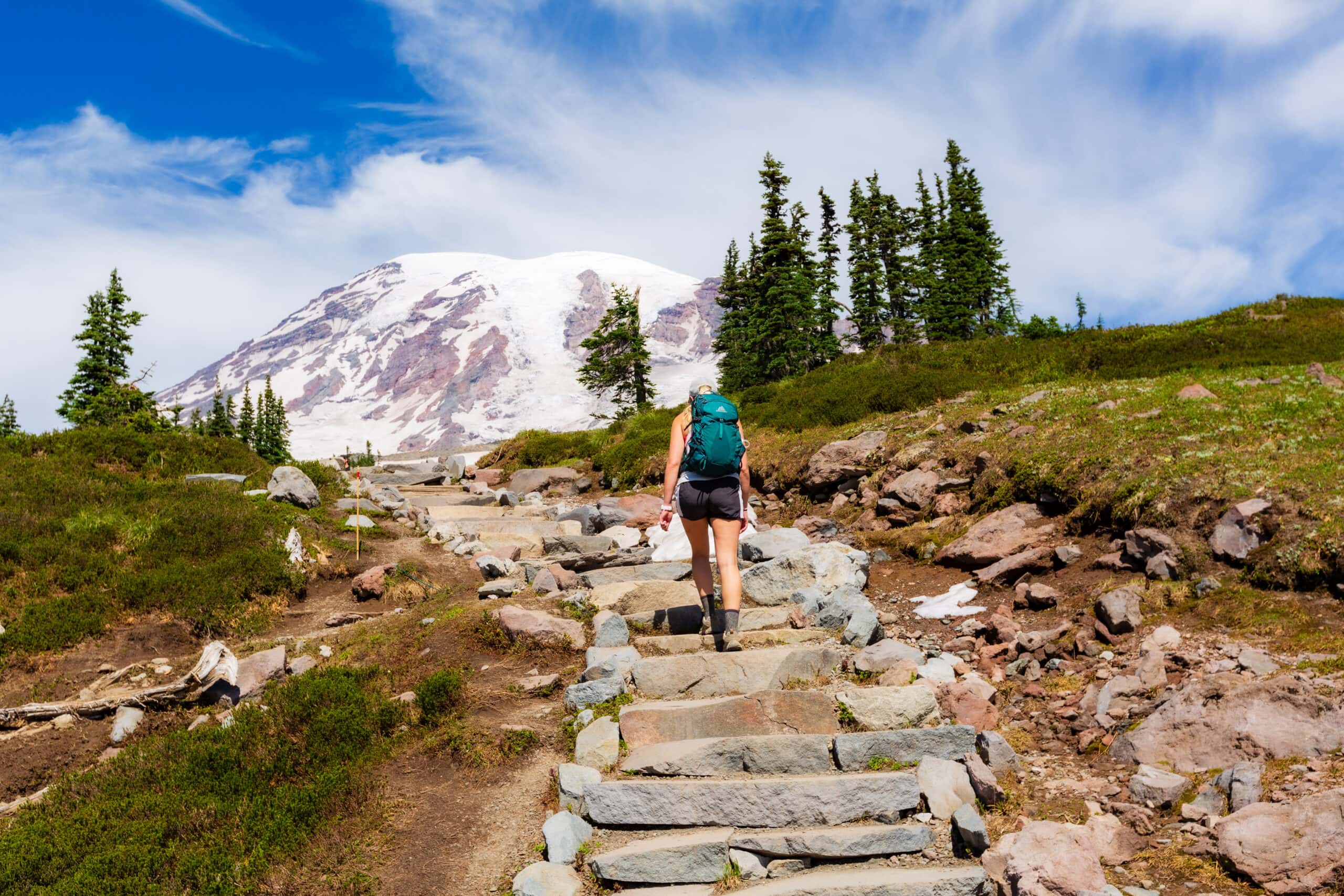
Several Major National Parks Dropping Timed Entry Permits for 2026
Some of America’s most visited national parks are opening their gates more freely this summer, while others hold the line on crowd control.
The National Park Service announced that Yosemite, Arches, Mount Rainier, and Glacier National Parks will no longer require vehicle reservations for the 2026 season, marking a significant shift in how the agency manages its most crowded destinations. Rocky Mountain National Park, however, will keep its reservation system in place through the peak summer months.
“Our national parks belong to the American people, and our priority is keeping them open and accessible,” said Kevin Lilly, acting assistant secretary for Fish, Wildlife and Parks.
“We’re expanding access where conditions allow and using targeted tools only where necessary to protect visitor safety, maintain emergency access, and preserve these extraordinary places for future generations.”
Yosemite: A Return to Open Access
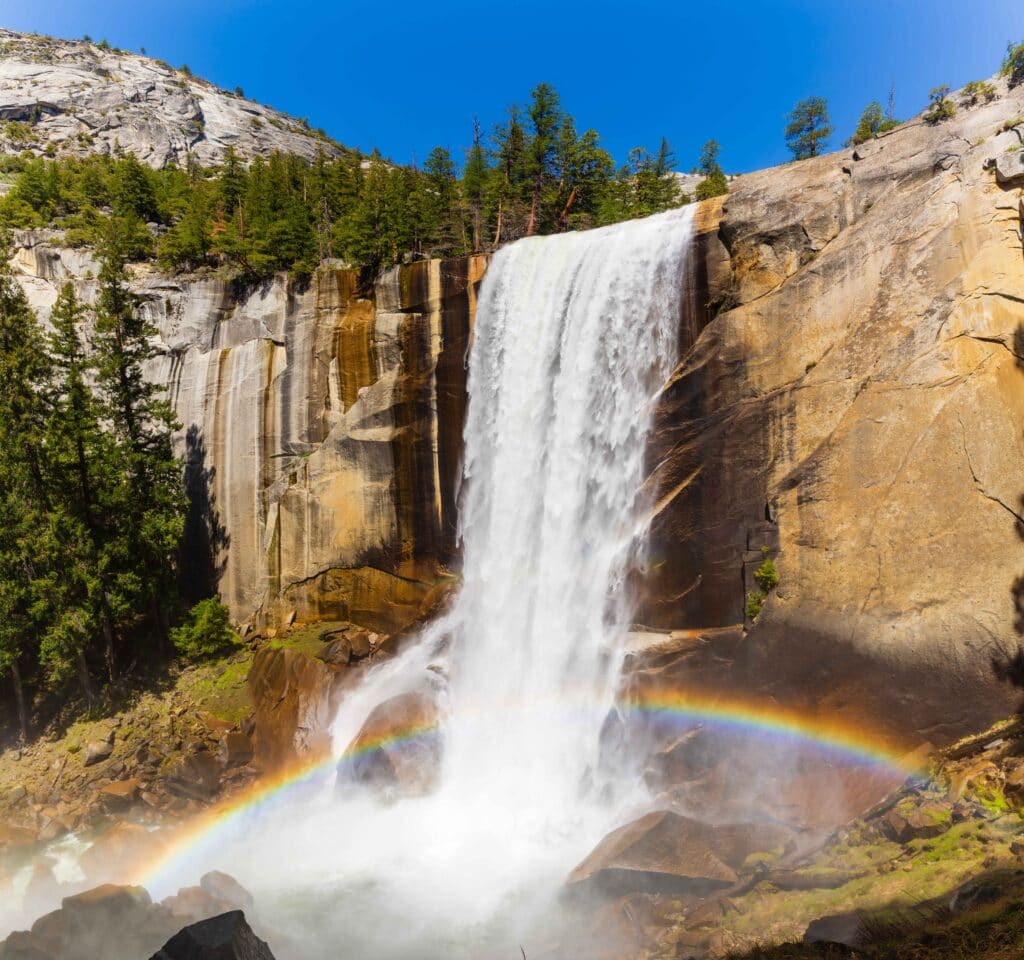
Yosemite National Park will no longer use a timed reservation system in 2026. The decision follows a comprehensive evaluation of traffic patterns, parking availability, and visitor use during the 2025 season. Park analysis found that most weekdays maintained available parking, stable traffic flow, and visitation levels within the park’s operational capacity.
Yosemite has had a turbulent history with reservations. The park’s policy underwent multiple changes since its introduction during COVID, with reservations required at specific times during 2020, 2021, and 2022 — but not in 2023. When the system was dropped that year, summer visitors reportedly waited nearly 3 hours to enter the park. Reservations were reintroduced in 2024 and continued through 2025.
Rather than a reservation system, Yosemite will rely on real-time traffic monitoring, active parking management in Yosemite Valley, additional staffing at key intersections during peak periods, and improved visitor information through road condition alerts and congestion warnings.
Park officials encourage visitors to plan early, consider weekday trips, and explore areas outside Yosemite Valley, such as Tuolumne Meadows, Wawona, and Hetch Hetchy.
Related Articles:
Mariposa and Yosemite Itinerary
Best hikes in Yosemite National Park
Flightseeing over Yosemite
Best place to watch sunset in Yosemite
Arches: End of a Three-Year Experiment

Arches National Park will not require timed entry in 2026. This move came after deliberations with park staff and members of the surrounding community, who repeatedly expressed concerns about the economic impact on local businesses.
Arches began using timed entry in 2022, and while the system successfully reduced gridlock on the park’s single main road, officials ultimately weighed those gains against concerns about accessibility and regional economic health.
For those planning a trip, the NPS recommends visiting early in the day, heading to lesser-traveled areas when popular spots are busy, and being flexible with timing.
The park also encourages evening visits to take advantage of its International Dark Sky designation.
Related Articles:
5-day Moab Itinerary
Mount Rainier: No Timed Entry in 2026
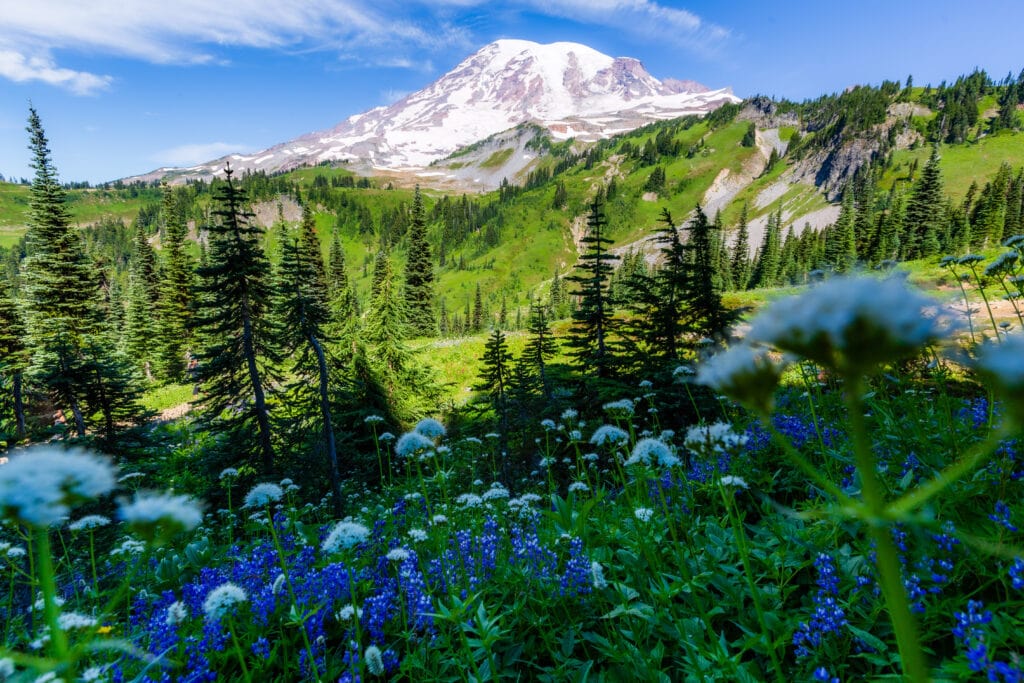
Mount Rainier National Park will not implement a timed-entry reservation system for any portion of the park in 2026.
The park’s official fees page states plainly that timed entry reservations are currently not required anywhere within its boundaries. The park will continue to monitor and document congestion and overcrowding on roads, trails, parking lots, and entrances — but visitors will be free to arrive without advance reservations this season.
The decision is a welcome one for many Pacific Northwest residents who found the reservation system difficult to navigate for spontaneous summer trips to one of the region’s most iconic destinations.
Related Articles:
Best hikes at Mount Rainier
Burroughs Mountain Trail
Hiking into Grand Park
Visiting Mount Rainier NP in Winter
Glacier: No Vehicle Reservations, but a New Shuttle System
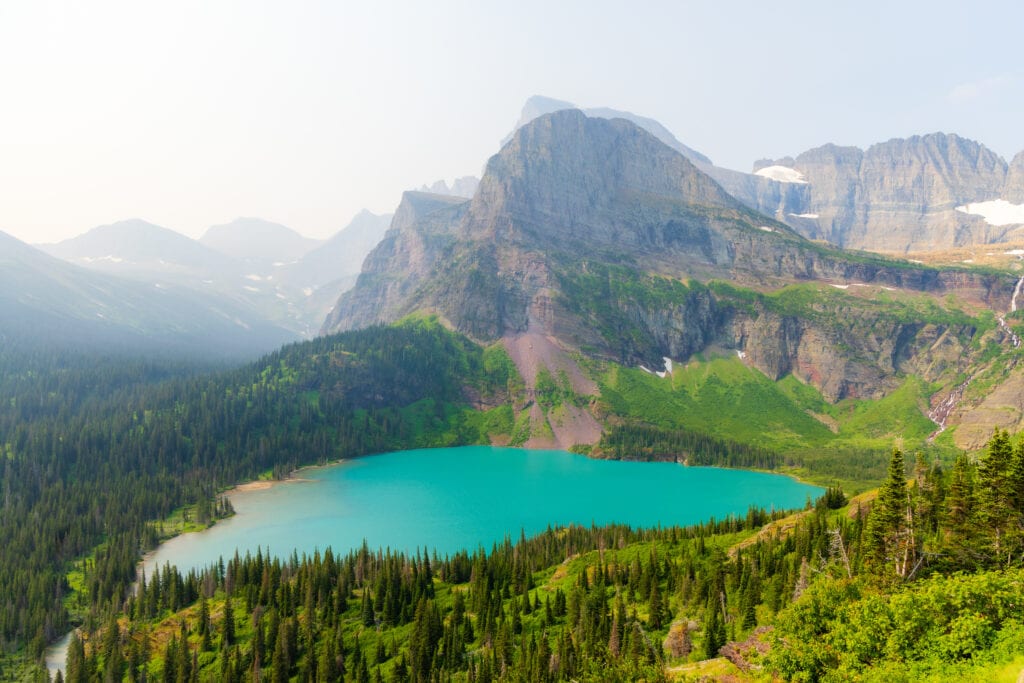
Glacier National Park in Montana is taking a distinct approach: dropping vehicle reservations entirely while simultaneously launching a new ticketed shuttle system focused on its most visited destination. Vehicle reservations will not be required anywhere in the park in 2026.
However, visitors heading to the iconic Logan Pass along Going-to-the-Sun Road will encounter a new set of tools designed to manage congestion.
Beginning July 1, private vehicle parking at Logan Pass will be limited to a maximum of three hours, enough time to hike to Hidden Lake Overlook, visit the Logan Pass Visitor Center, or attend an interpretive program. Visitors planning longer hikes that begin at Logan Pass, including the Highline Trail to Granite Park Chalet or to the Loop Trailhead, must obtain a shuttle ticket.
The shuttle system itself is significantly upgraded. West side express routes will depart from Apgar Transit Center and Lake McDonald Lodge, with stops at the Loop in the afternoon and Logan Pass.
East side express routes will depart from St. Mary Visitor Center and Rising Sun, with riders able to transfer between routes at Logan Pass. Notably, shuttles to Logan Pass will not stop at Avalanche or board passengers without shuttle tickets, making the system a true express service rather than a general transit loop.
Shuttle tickets will be released during two booking windows: a portion will be available 60 days in advance on a rolling basis beginning May 2, 2026, and the remaining tickets will be released at 7 p.m. MDT for next-day entry beginning June 30.
Tickets cost only a $1 processing fee and are available through Recreation.gov. Cell service is unreliable in the park, so visitors should print or save a digital copy of their ticket before arrival.
Superintendent Dave Roemer framed the changes as an evolution of the park’s ongoing learning process. “This initiative reflects our continued learning and listening as we refine park transportation and access to better serve the public and safeguard the integrity of the park’s resources,” he said.
Related Articles:
Where to stay near Glacier
Hiking to Iceberg Lake
When is the best time to visit Glacier NP
Rocky Mountain: Staying the Course
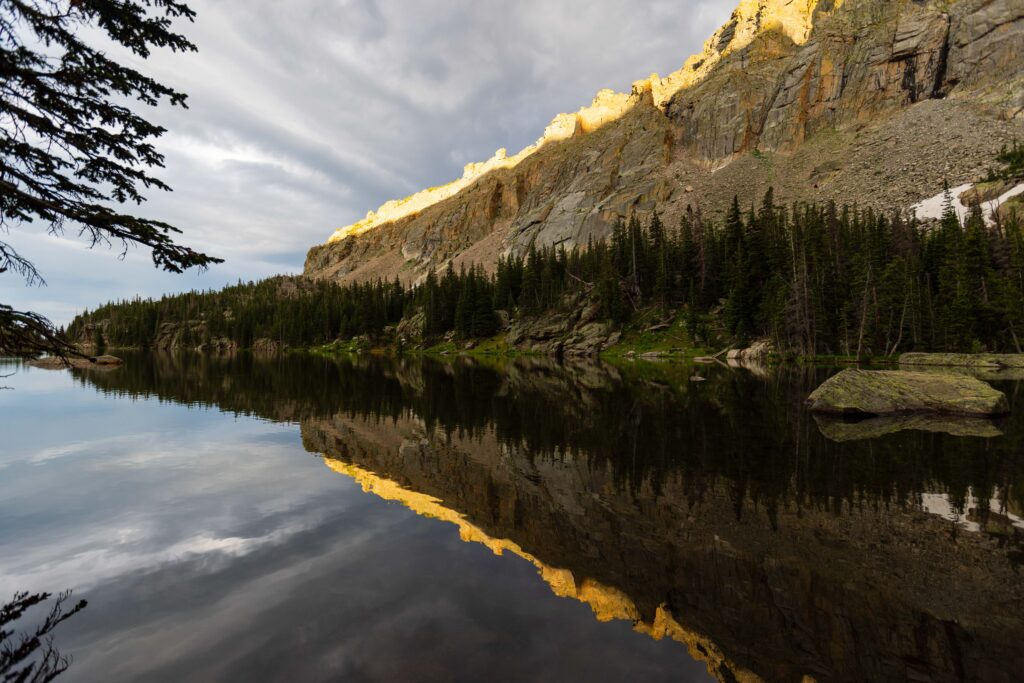
Unlike its counterparts, Rocky Mountain National Park in Colorado is not changing direction. The park will continue its timed entry reservation system during peak visitation months, from late May through mid-October.
The system aligns vehicle entry with available parking and roadway capacity and has operated for multiple seasons in coordination with Colorado officials and gateway communities.
The park offers two tiers of permits: a standard timed-entry permit covering most of the park, and a premium permit that includes access to the popular Bear Lake Road Corridor and hikes such as Sky Pond.
Reservations are available on Recreation.gov, with the majority released in monthly blocks and a portion made available the evening before a planned visit.
Mixed Reactions to New Policies
Reactions to the announcements have been mixed.
Some visitors worry that without timed entry, people will arrive to find parking lots full and roads gridlocked. Others — particularly those living near the parks — are celebrating, since timed entry was prohibitive for spontaneous local visits during peak hours.
Glacier’s hybrid model may offer a blueprint for a middle path: free general access paired with targeted shuttle infrastructure for the most congested corridors.
Conservation advocates have raised broader concerns, noting that staffing reductions across the park service could strain parks’ ability to manage high-volume visitation without the buffer of reservation systems.
What’s clear is that the 2026 season will serve as a real-world test of whether open-access management strategies can handle the crowds that descend on America’s most beloved wild places each summer.
Visitors are strongly advised to check each park’s official website before departing, as policies and conditions can change rapidly.
My Personal Thoughts on the New Changes

Arches:
Going to Arches during the busy summer months is already not recommended due to how hot it gets there. But this is going to make the place miserable. There’s one way in and one way out. If you do visit, avoid weekends. It’ll be a ZOO!
I personally recommend Arches in the winter (or at least in March/October). The weather is beautiful, and the crowds are much more sparse.
Glacier:
For photographers (understandably, a niche group), this is pretty miserable. Only being allowed to park at Logan Pass for three hours will make it nearly impossible for those who want to get up early or stay until dusk, with the shuttle system, which I doubt will run until midnight.
For normies, I’m sure it’ll be fine. My recommendation is still to get there early and avoid the crowds.
Mount Rainier:
The parking lots at Paradise and Sunrise are going to be horrendous. I mean, I’m not sure if the timed entry really made it any better, but now people will be circling for parking. Sure, it makes it easier for visitors who are out of town and want to come in and see the place.
Again, the main takeaway is to not visit on weekends, and if you do, get there around 4-5pm when most people are heading home for the day.
Yosemite:
Another one that has one road in and one road out (at least once you get onto the Valley Floor. I was there midweek in May, and while it was relatively empty when I arrived at 6:45, once I finished my hike, it was a zoo again.
I tried to go to the Ansel Adams photo gallery, but couldn’t find a place to park (and timed entry hadn’t started yet). On weekends this summer, if you’re not there by 8am, good luck.
Until next time, adventurers, stay safe.
Follow on social media: TikTok || Instagram || Facebook || Newsletter | YouTube