My First Safari: Two Days in Rwanda’s Akagera National Park
After circling the entire country, our last two days in Rwanda were some of the most exciting. I was finally going to experience my first African safari in Akagera National Park. It was a moment I had been waiting for the entire trip.
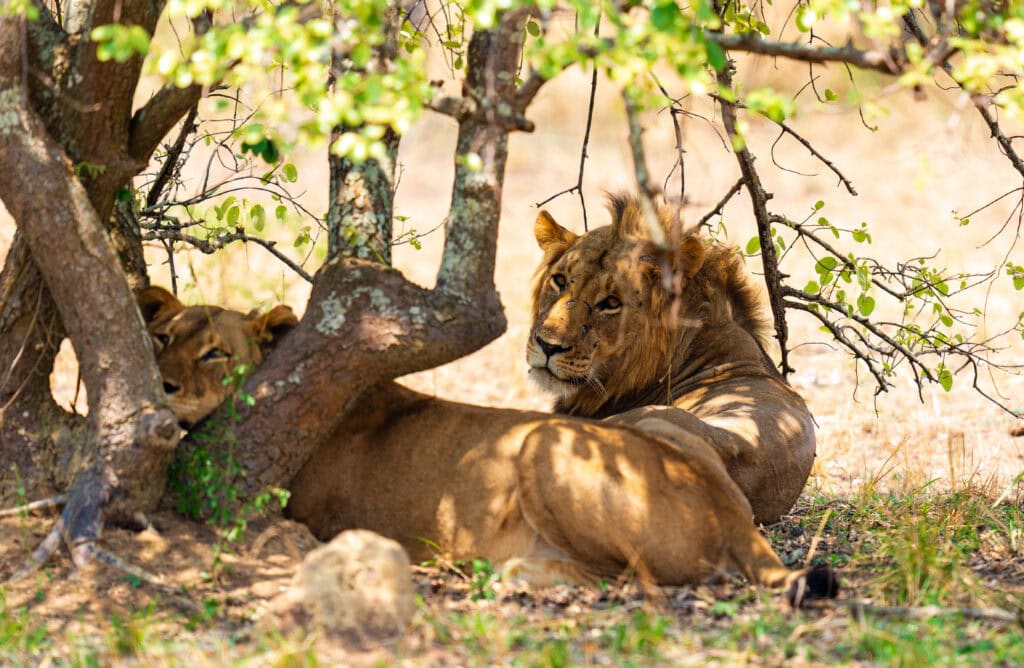
For most of two days, we drove single-track roads, spied hippos in the water and on land, watched a herd walk in front of us, and scoped out a male and a female lion lying under a shade tree.
Seeing life roam as it has for thousands of years was mesmerizing. And it sure lit a fire inside to spend more time in Africa amongst these wild animals. But for now, let’s highlight what it’s like to do a two-day safari in Akagera National Park.
Guide to a Rwandan Safari in Akagera National Park
First, a quick overview of Akagera National Park, Rwanda‘s largest public land unit.
What to know about Akagera National Park
Over 50% smaller than the early 1990’s
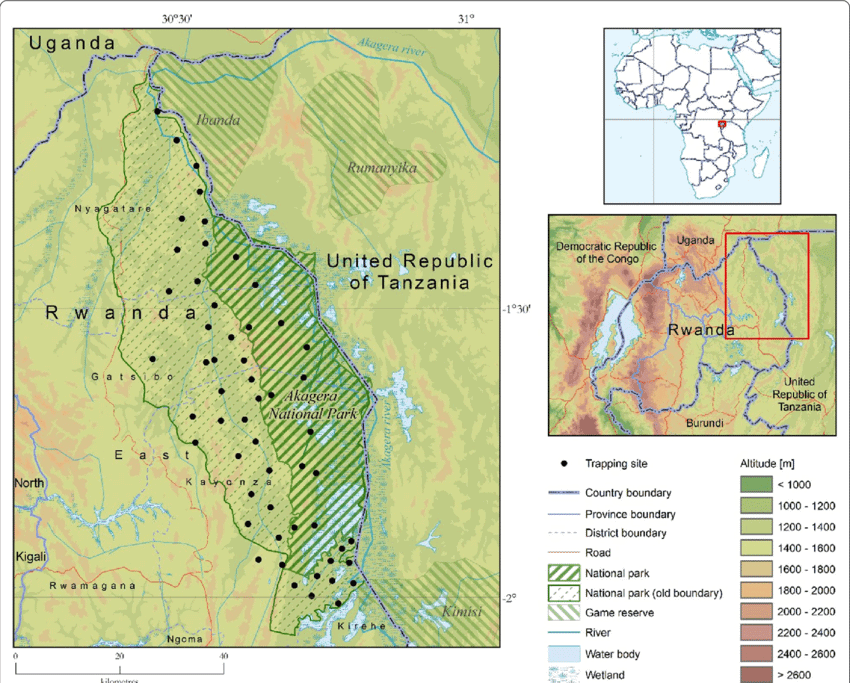
Before the Rwandan Genocide, Akagaera National Park was more than twice its current size, extending further west. But after the atrocities in the spring and summer of 1994, when people came back and resettled in the country, they chose the open land in the National Park.
This caused animal and human conflict, eventually leading to the death of every lion in the park by the late 1990s. The country eventually moved the park’s boundaries and erected a fence along the western edge to keep animals and humans separated.
Home to the Big Five
One of the big selling points of a safari in Akagera National Park is that it is home to the Big Five: Elephants, Jaguars, Rhinos, Lions, and Cape Buffalo. Historically, they were home to all five, but the 1994 Genocide and subsequent conflict led to the killings and extinction of lions and rhinos.
Where is it located?
Akagera National Park is on the eastern edge of Rwanda, bordering Tanzania. The Kagera River more or less creates a natural boundary. From the capital city, Kigali, it’s a 2.5-3 hour drive to the south gates of the national park. Its close proximity makes it a perfect place for a single day or overnight safari.
Easy Booking: Expedia.com | Hotels.com | VRBO | Booking.com | Airbnb.com
Need Gear: Find Gear at REI
Find Awesome Tours: Viator.com or GetYourGuide.com
First time here? Stay in touch by following on IG: @Alecoutside and my newsletter
Iceland on your bucket list? Get my Iceland guide + 144 pinned locations on Google Maps
Please stay safe out there and follow Leave No Trace principles as best you can.
Where should you stay?
There are some fantastic lodges and hotels in and around the park. Need more ideas for your full trip to Rwanda? Read my article on where to stay in Rwanda.
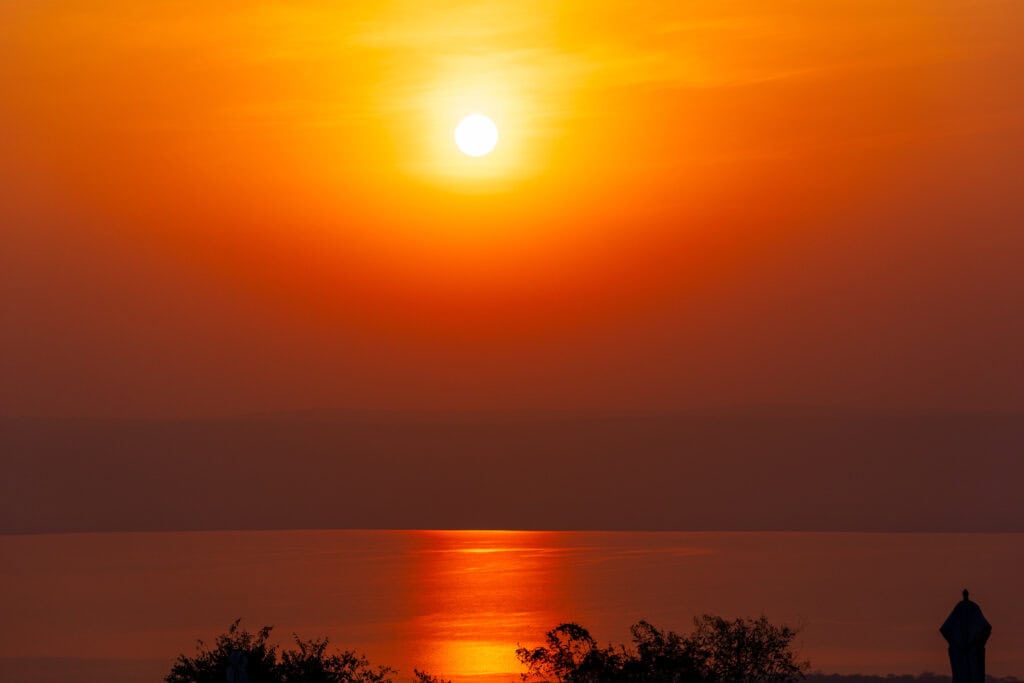
- Mantis Akagera Game Lodge – I stayed here. Very, very nice. Up the hill, so less likely to see animals, but amazing sunrise/sunset views. And the meals here were incredible!
- Akagera Rhino Lodge – Near the Akagera Village
- Akagera Park Inn – Just outside of the park’s southern entrance
What Camera and Lenses should you bring?
I have dedicated articles on which lenses you should bring on an African Safari and the best wildlife photography cameras.
You’ll want a camera with higher megapixels for cropping and the ability to shoot fast (i.e., burst mode). As for a lens, 400-600 is the sweet spot. More affordable options are the 100-400, 100-500, or the 150-600 lens.
When should you visit?
I went in the middle of September, which is the end of their dry season. This meant things were quite dry and not as green as they would be, say in April or May. This also led to more animal sightings down by the water, but not much along the road.
Most people will tell you April through September are the best months, because it’s drier and easier to see animals as the brush is less thick. I can’t disagree with that. Not having to deal with rainy weather and mud does make it a far more enjoyable experience.
Set your directions to the South entrance
Almost all tours and directions will use the south entrance to the park. This is also the closest and easiest drive from Kigali. From there, let the safari begin!
Is a safari in Akagera National Park worth it?
What you have to understand about Akagera National Park is that it should be viewed as a baby safari. The park lost a lot of animals and size after the genocide. In 15 years, I’m sure this will rival its neighbors. I’d just come in with a little lower expectations than the Serengeti or Kruger.
Still, it shouldn’t be slept on, and a safari in Akagera National Park is definitely worth it! While seeing animals is obviously the goal, the entire safari experience is a close second.
Not knowing what you might see around the bend, or what cool action might occur, keeps you on your toes and adrenaline high.
In the end, you’re not coming to Rwanda for a safari, which is unlikely to be your main objective. It’s probably gorilla trekking. But if you’re here, a safari in Akagera is definitely worth your while, even if you do a long day trip.
Two Days in Akagera National Park on My First Safari
Let’s dive into the fun stuff and how our two-day itinerary in Akagera National Park went!
Big Game Drive on Day 1
I know I told ya’ll to go in from the south entrance, but we were coming from Nyagatare and used the much less-visited northwestern entrance. Here, we got a quick rundown of our first day in Akagera National Park and the park rules.
Basically, there’s one rule: Never leave the car.
Considering I didn’t want to be lion lunch, that was an easy rule to follow. This was also when I got my camera gear locked and loaded. The Sony A9III body + 400mm f/2.8 would be the primary setup, with my Canon R5 + 100-500 as a trusty backup in case animals wandered near us.
Entering Akagera National Park for a safari
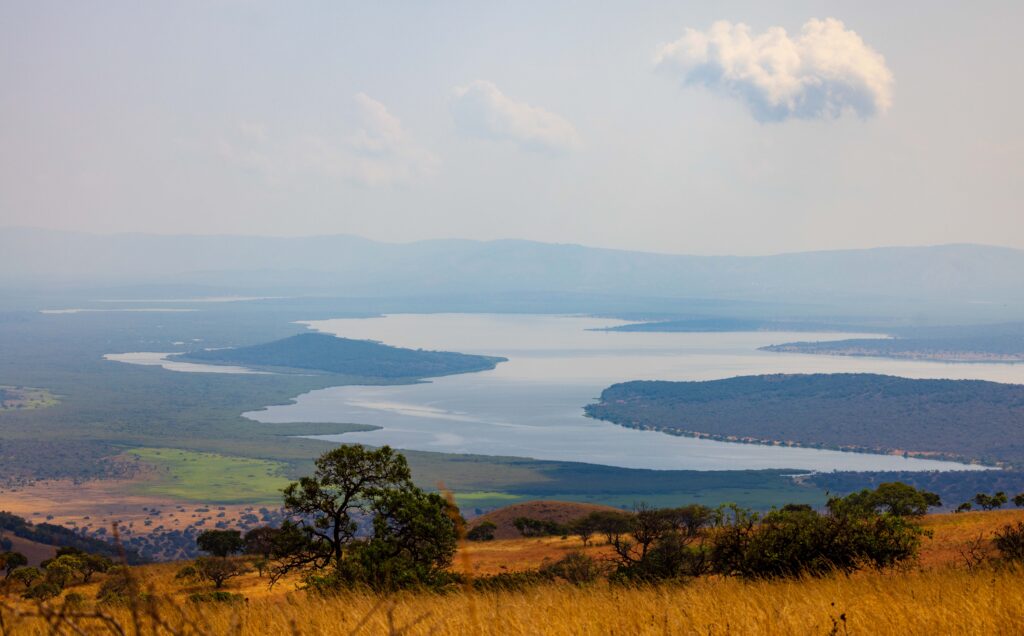
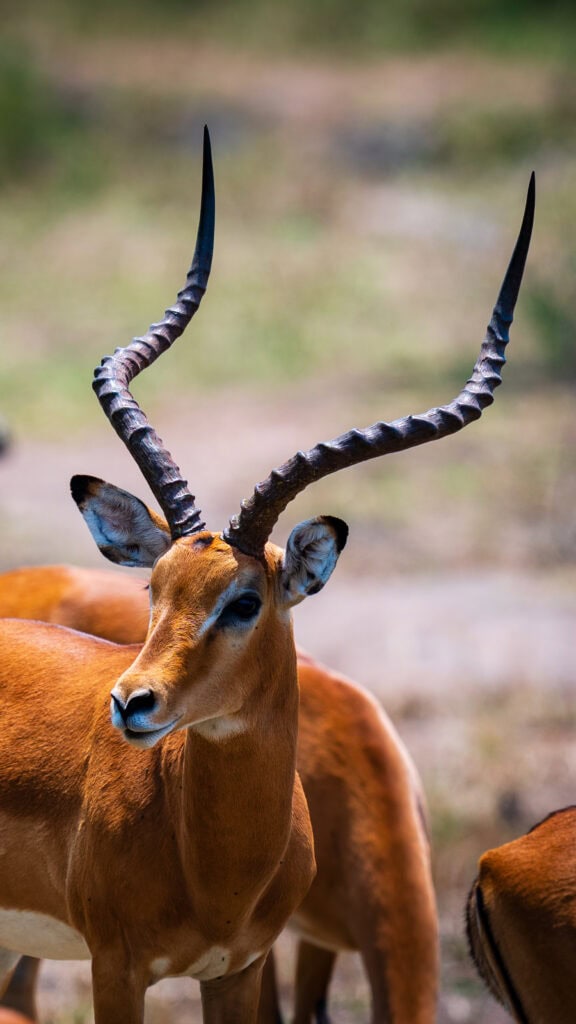
The NW entrance of Akagera National Park is on a plateau. Once we passed through, we drove on top of the mesa for a while before snaking our way down towards the lake level miles away. The first animal was a wild pig. A tad anachronistic, considering we have those in the US. But then an impala.
Finally, something “foreign!”
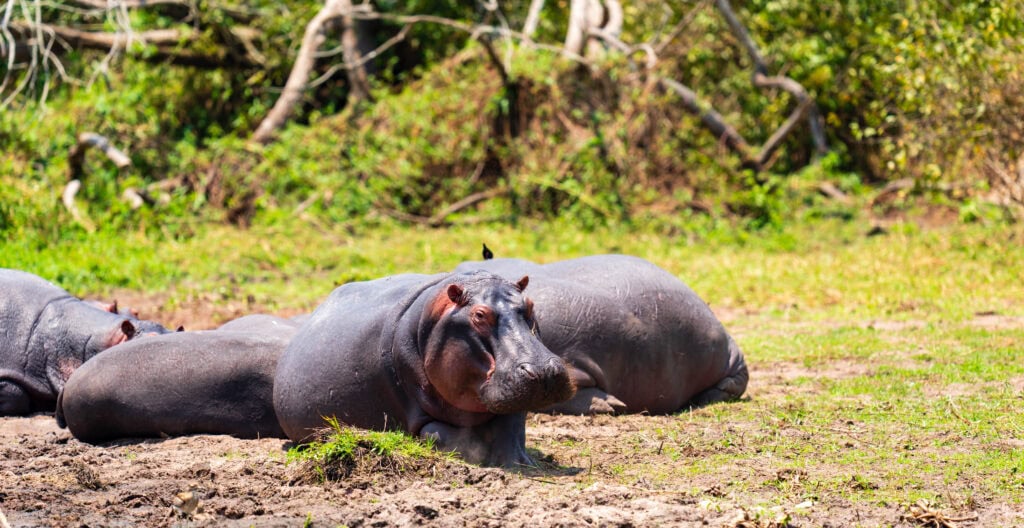
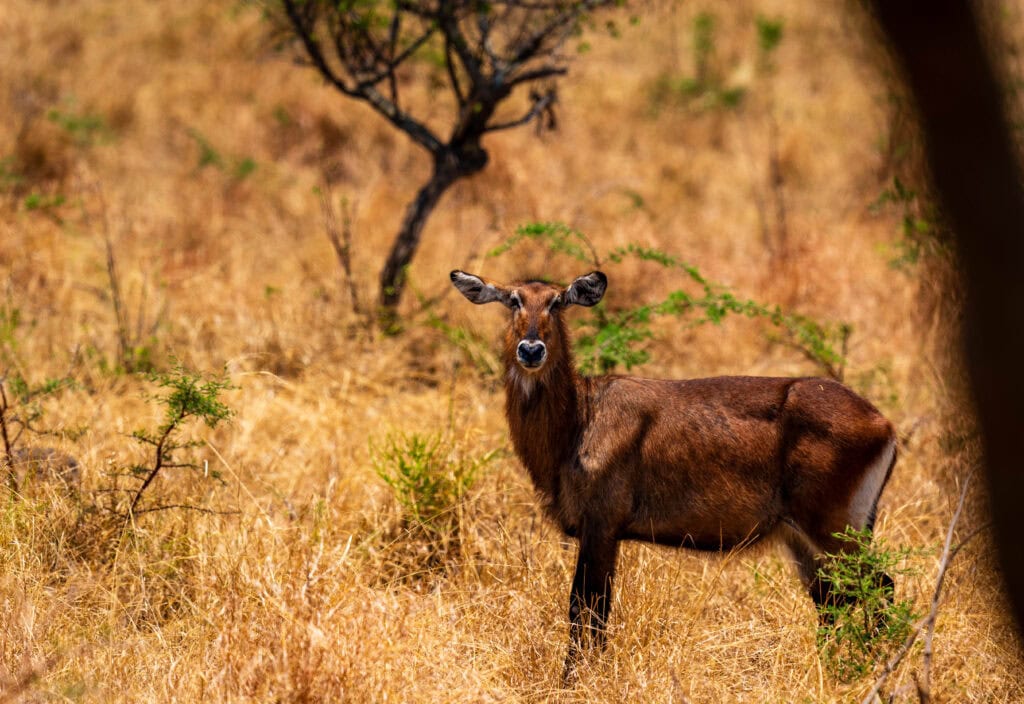
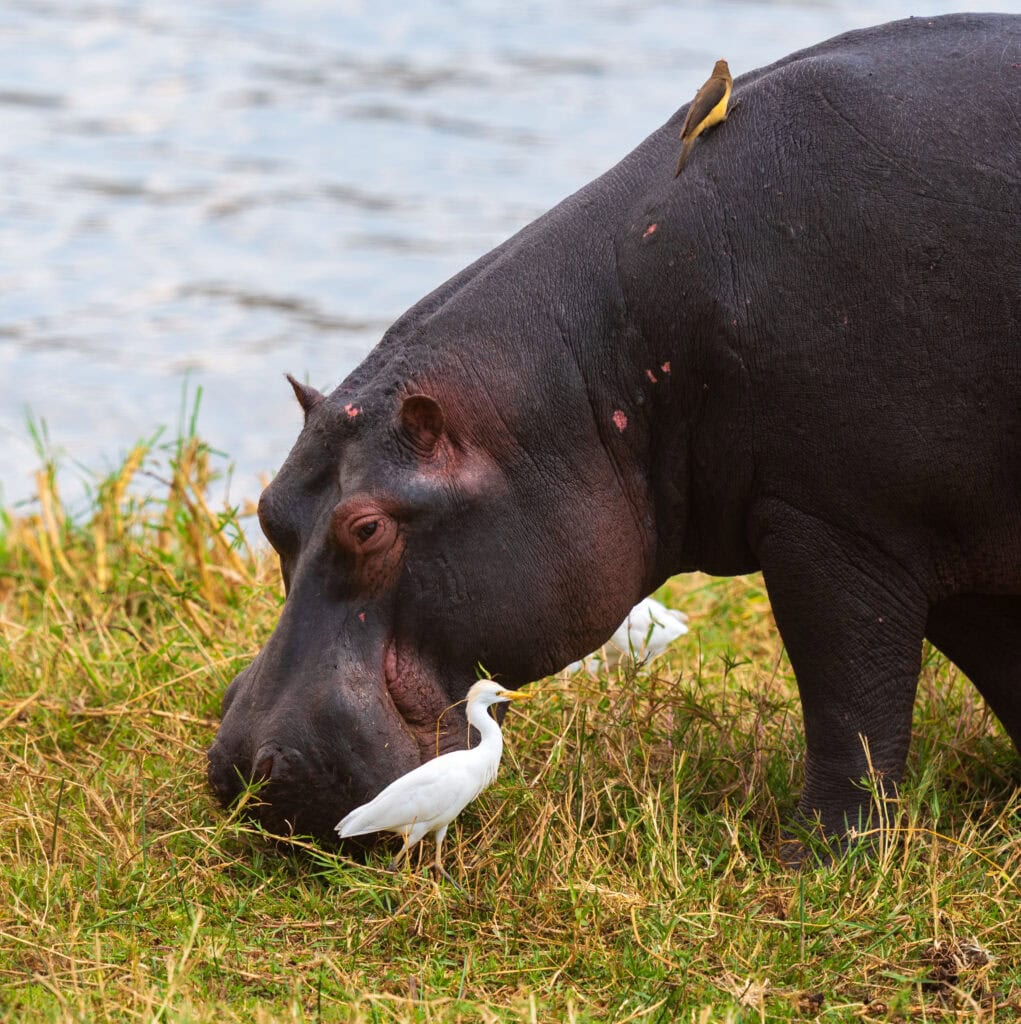
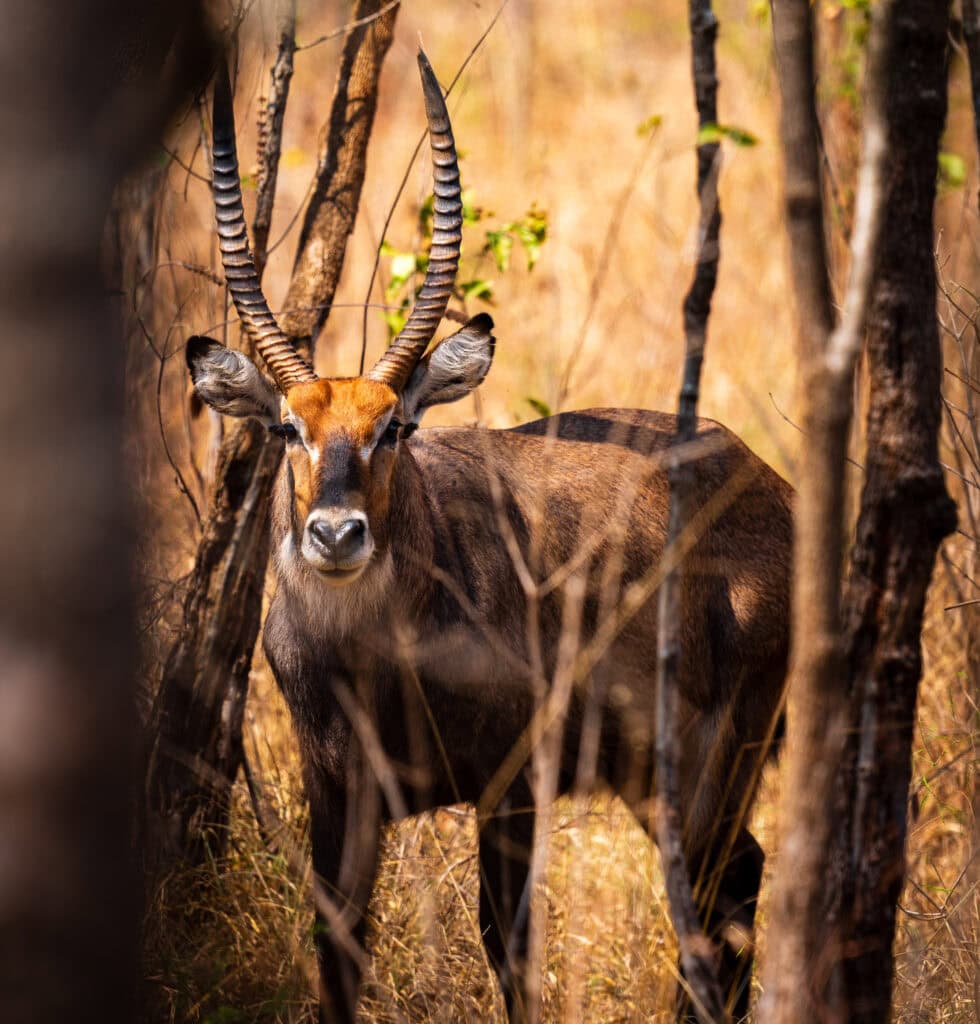
While we saw animals, it was also a bit barren. I kept wondering where they hid everything. Once we came down the hill and neared Lake Ihema, we spotted our first hippos. There were more than 15 in the water, mostly at eye level. However, there was a lone one on land. We wondered whether he had been put in time-out by the rest of the crew. And then a Waterbuck. They look like a large Impala.
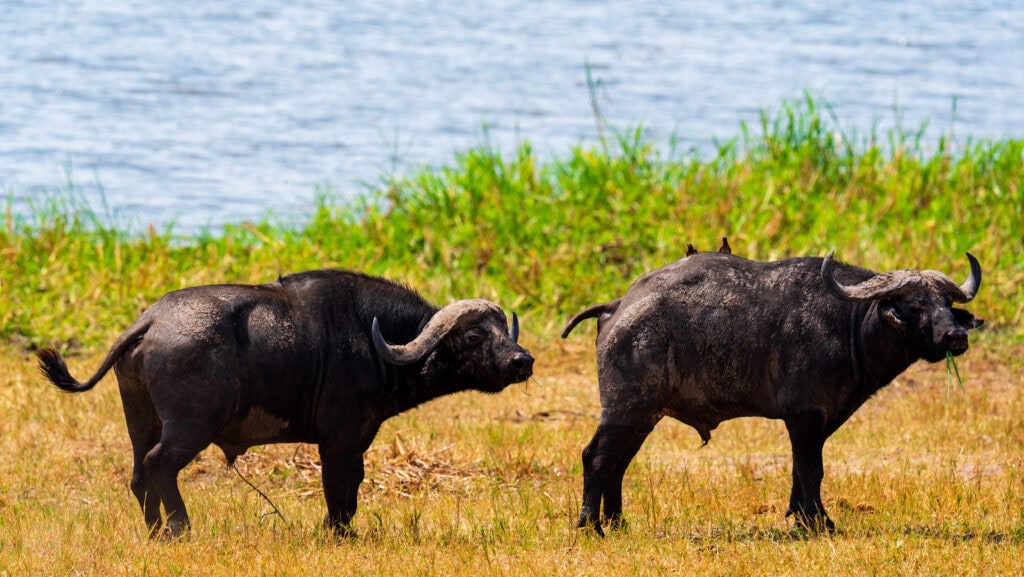
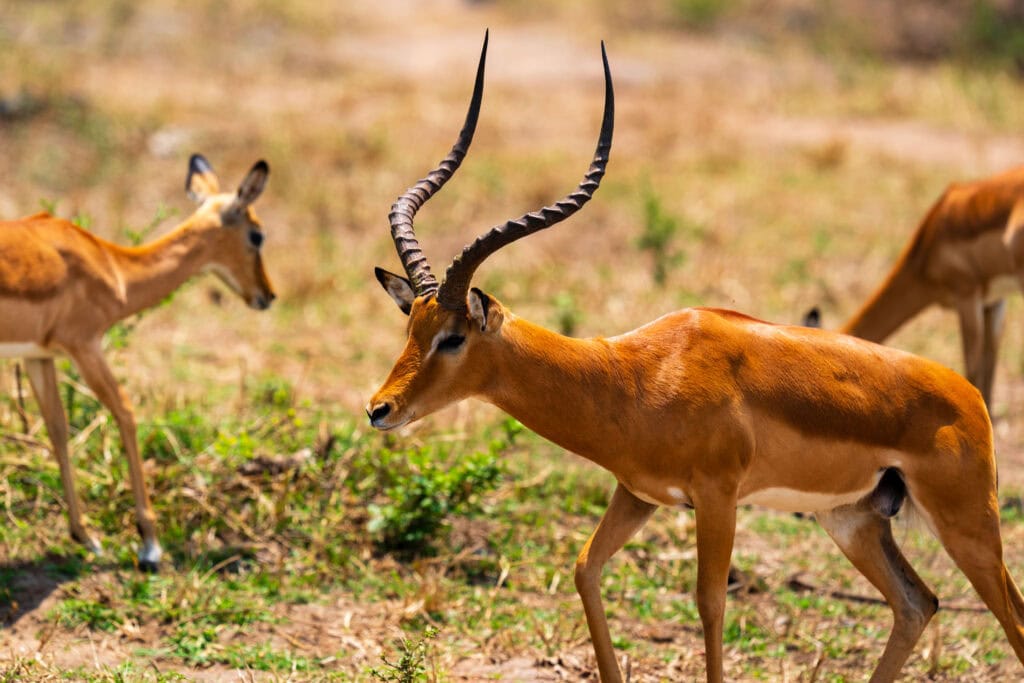
As we wound our way along the lake shore, we finally came upon our first Big Five animal, a Cape Buffalo. These guys do not look happy. It’s not for being alone, though. We saw plenty of them with friends nearby. After two days in Akagaera National Park, I have a feeling these might be the easiest of the Big Five to spot.
Lions on Safari
It was approaching high noon, so we began driving towards our lunch area further south. So far, I have to be honest, I felt a little underwhelmed. Yes, we had seen animals, but from a photography standpoint, nothing exciting had happened. They all just stood there and looked at us.
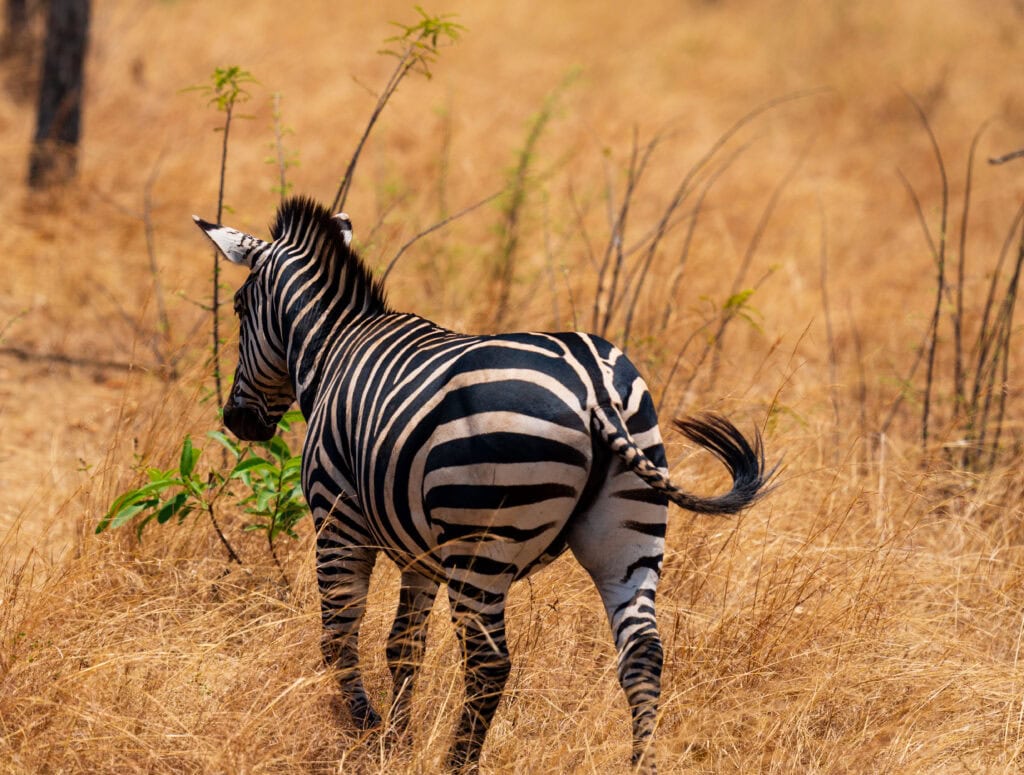
As we flipped around, we spotted two more African classics: A few Zebras through the shrubbery (none of my photos came out well) and a Giraffe, a decent way off the road. Even with my zoom lenses, the photos were nothing like what you see in National Geographic.
After a bit, our foursome of safari vehicles continued, then took a left onto a smaller road, then made a right into a cul-de-sac. Out ahead of us, resting under a tree in the shade, was a male and female lion.
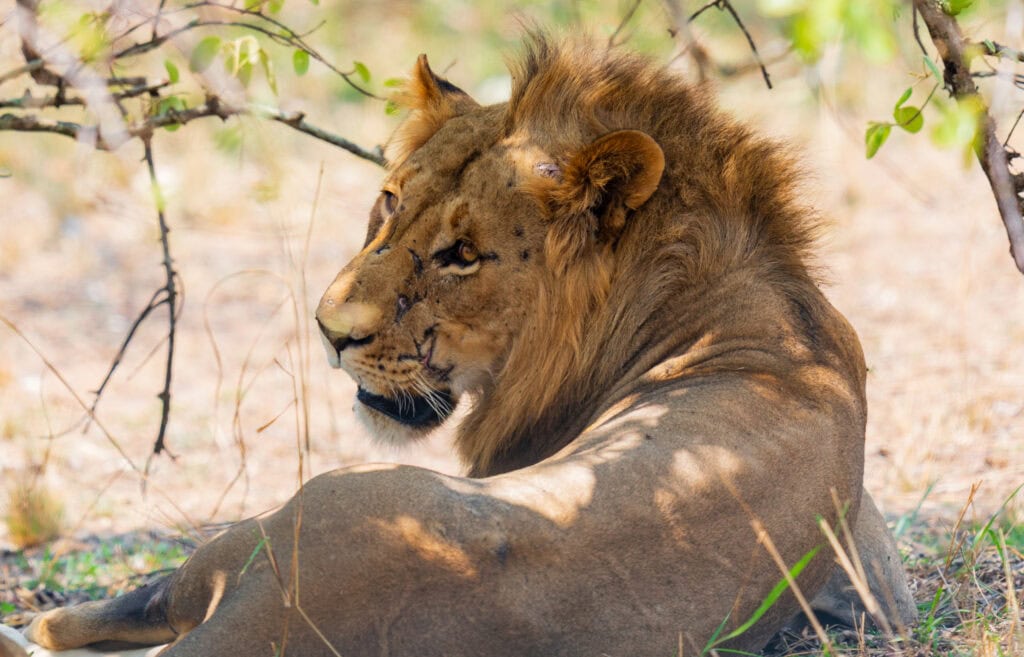
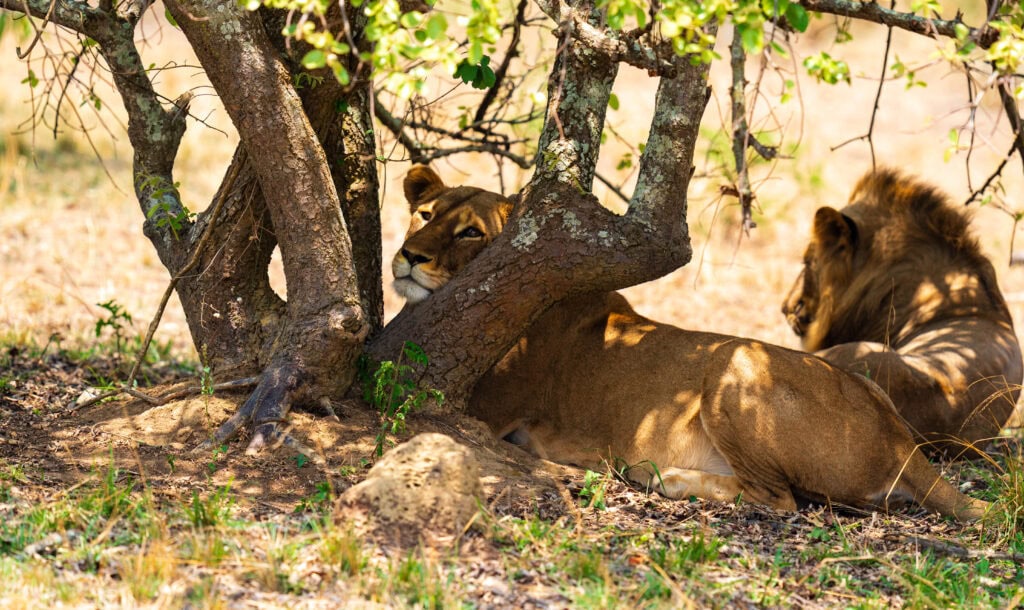
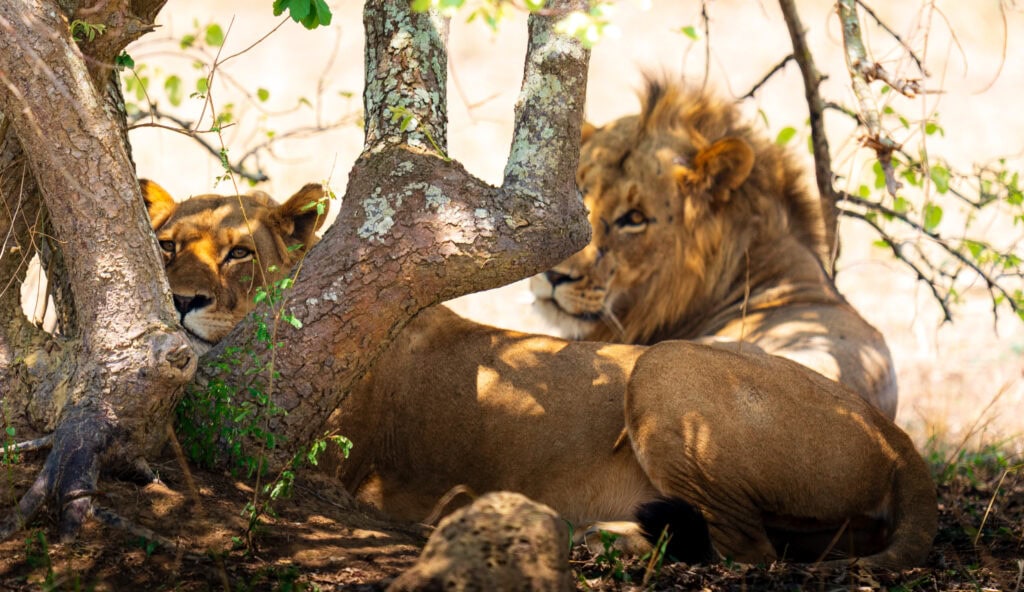
BINGO!
While they didn’t do much other than look at us, it was pretty cool to see a lion in the wild. We kept our distances for obvious reasons, so it wasn’t like seeing them at the zoo. Still, an incredible moment in the wild.
Baboon at Lunch
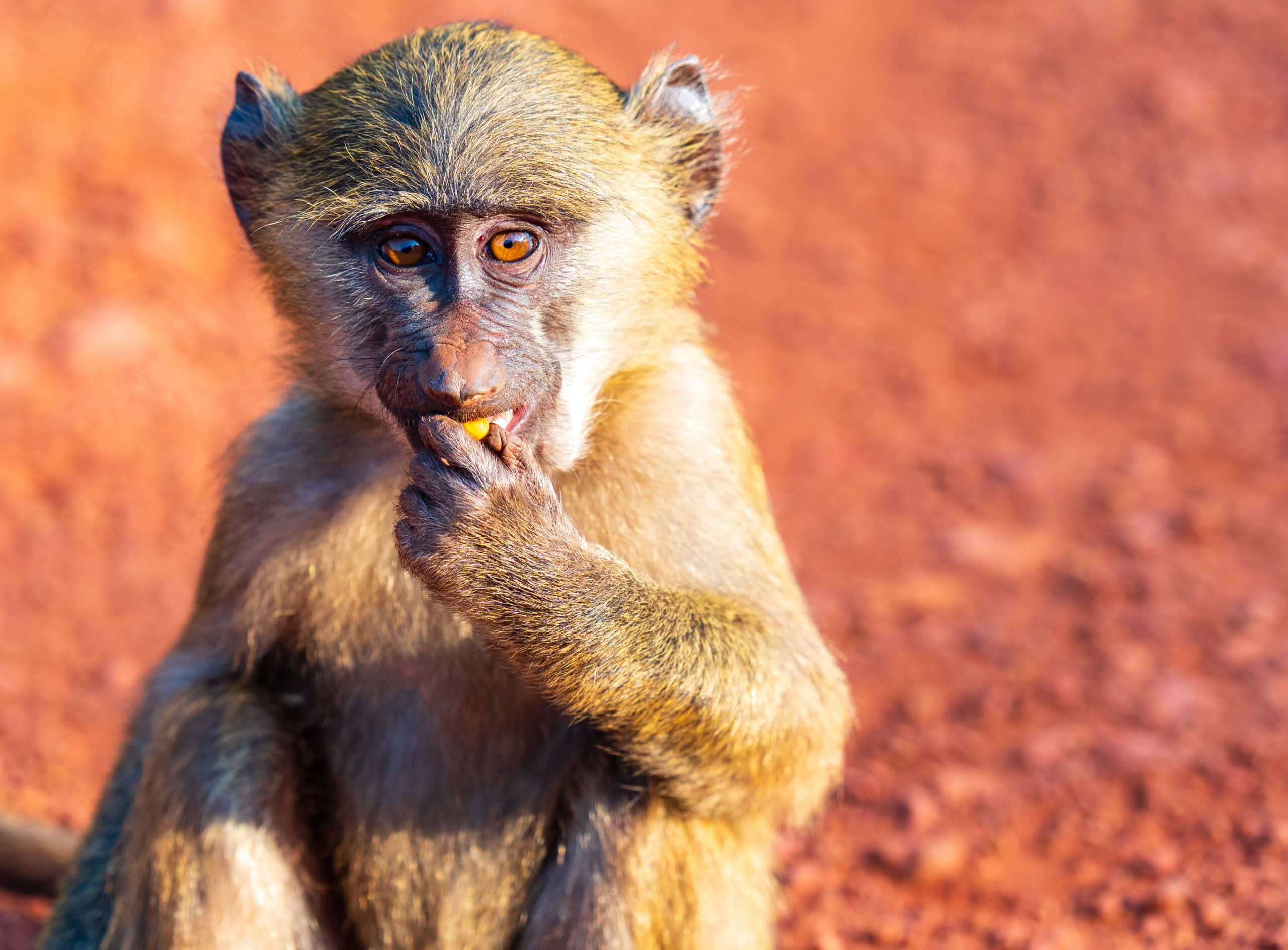
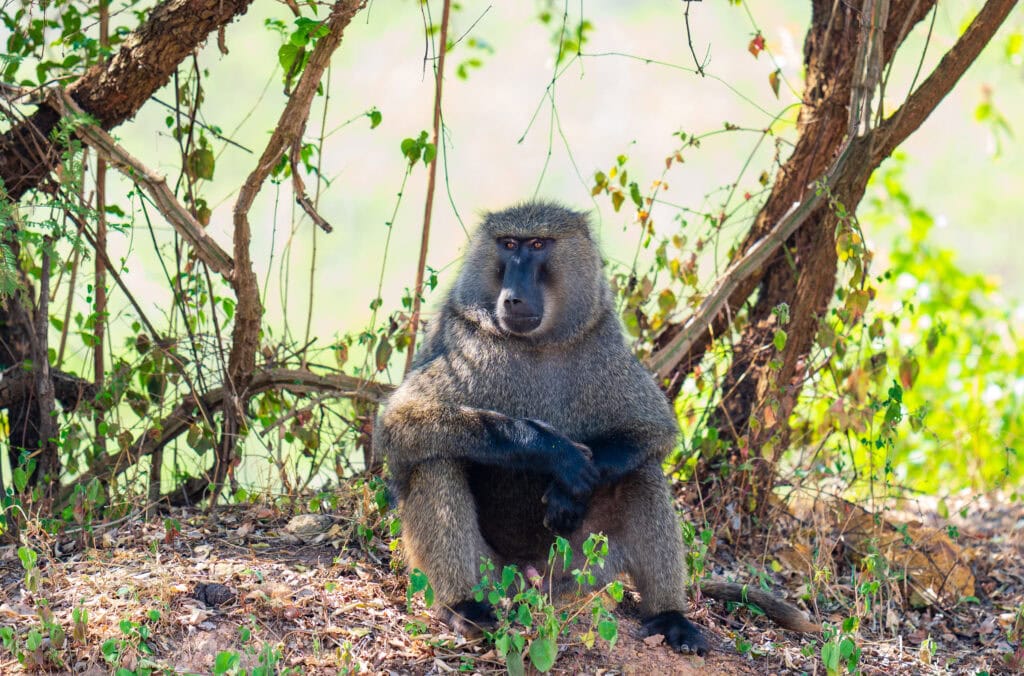
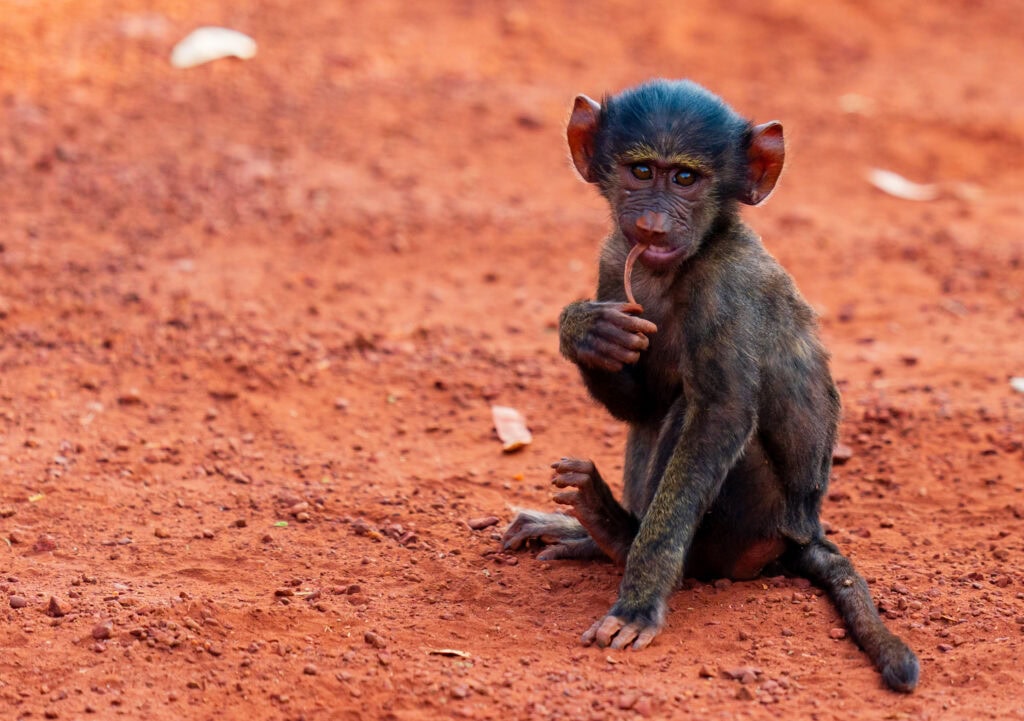
After our lunch at a designated area that offers some sort of safety measures, a very curious baboon came up to us. They’re such fascinating animals. It would crawl up, then side, watch, move up a bit more, and watch longer. After 12-15 minutes, we finally left and kept searching for animals.
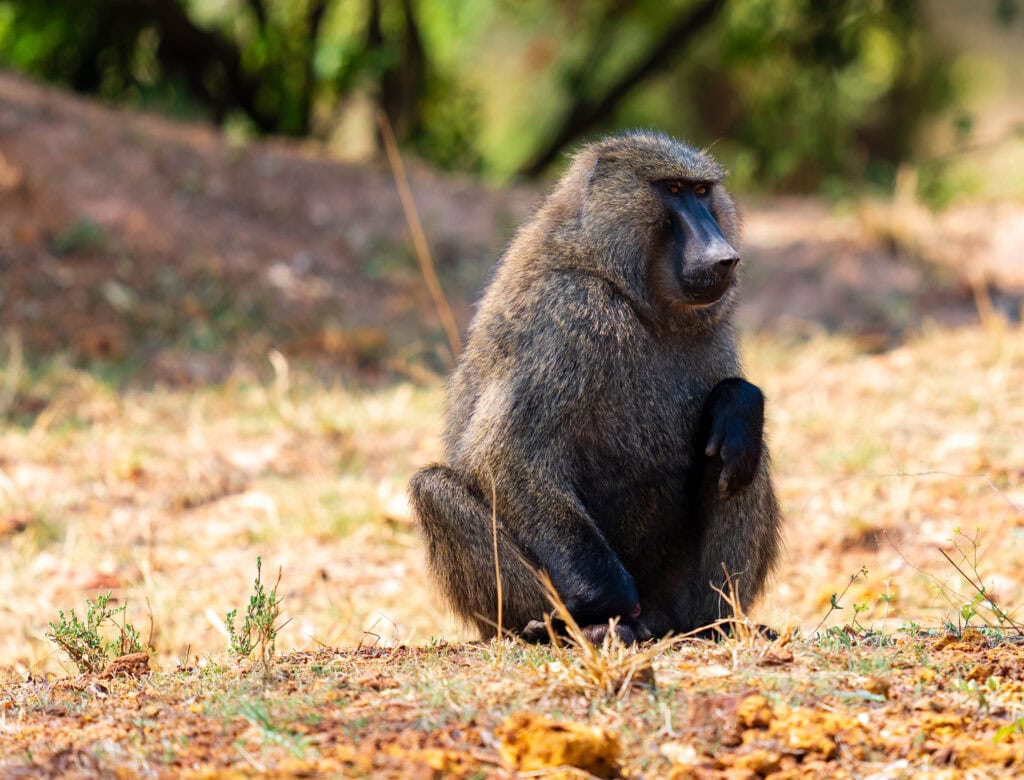
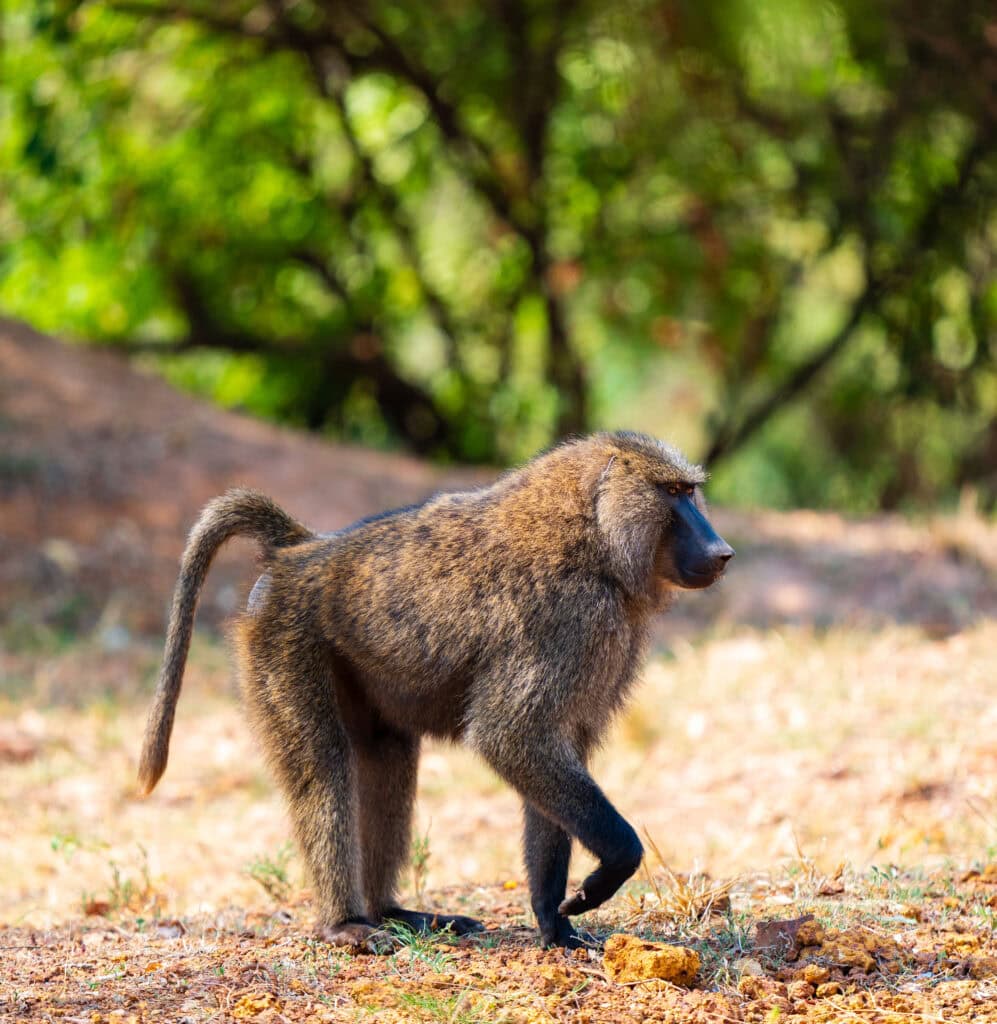
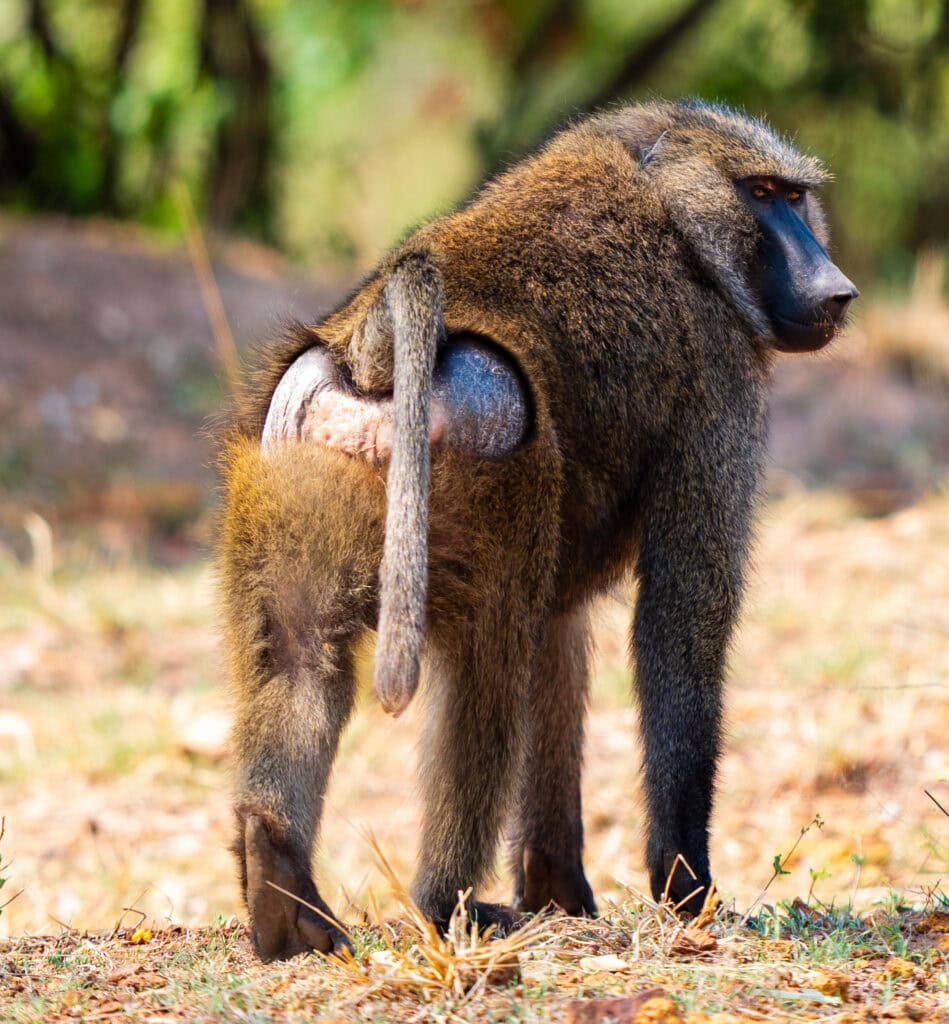
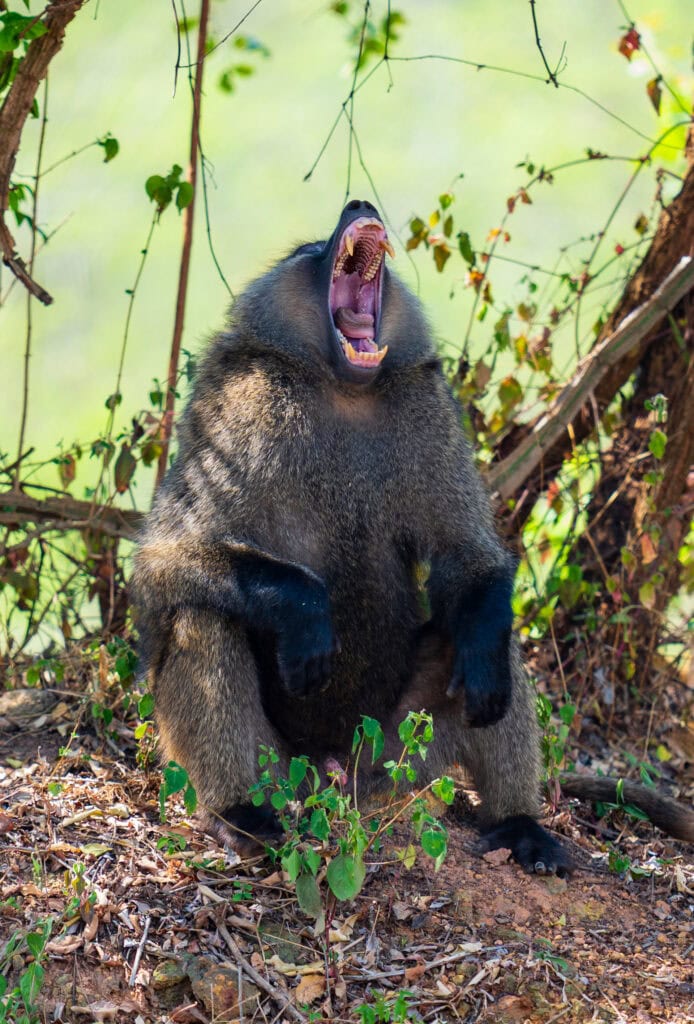
Unfortunately, it was pretty bare out there. By 4pm, we arrived at the Mantis Lodge and got ready for a phenomenal dinner.
Elephants and Boat Safari on Lake Ihema on Day 2
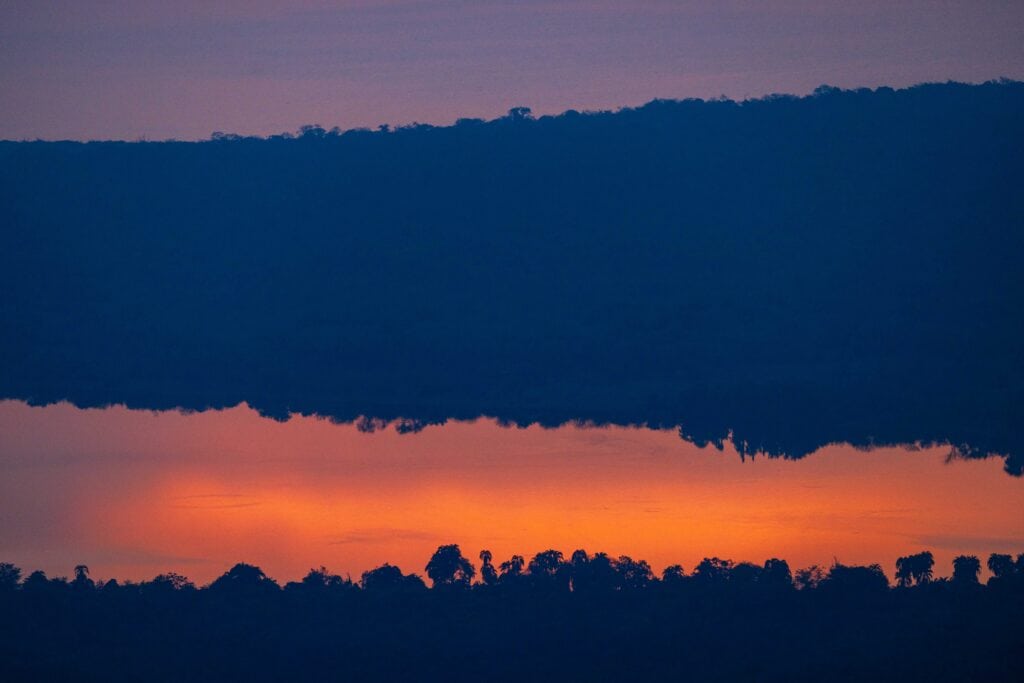
I convinced our team to go on a sunrise safari in Akagera National Park. With a shorter day two, I wanted to make the most of our time. Luckily, the team and my car mates were open to it. And my gosh, did it pay off.
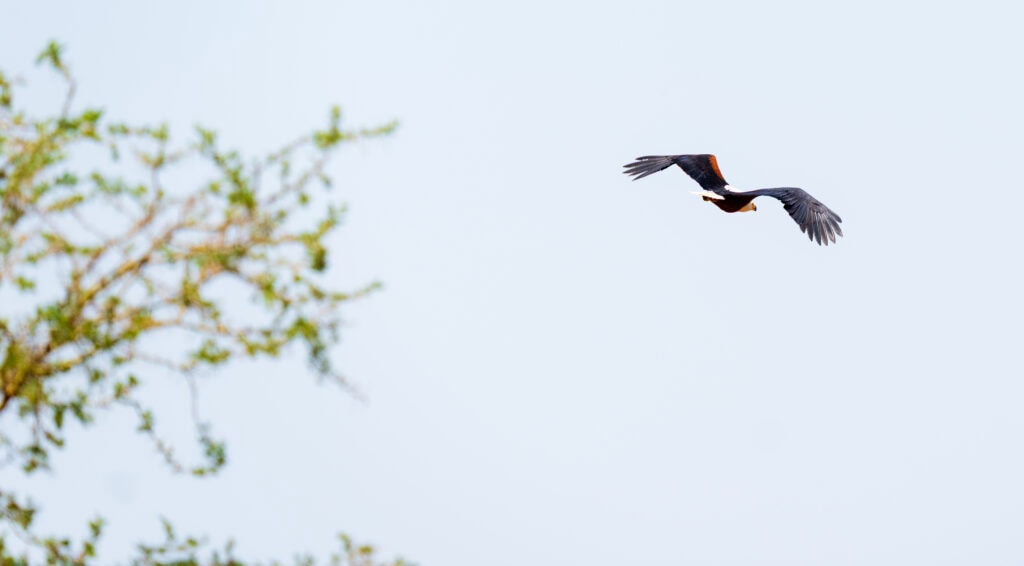
We set out just after 6 am, the sky already lit. It didn’t take us long to find our first animals. We drove towards the south entrance, seeing Cape Buffaloes and various birds. We did a U-turn and headed back north and into Akagera National Park.
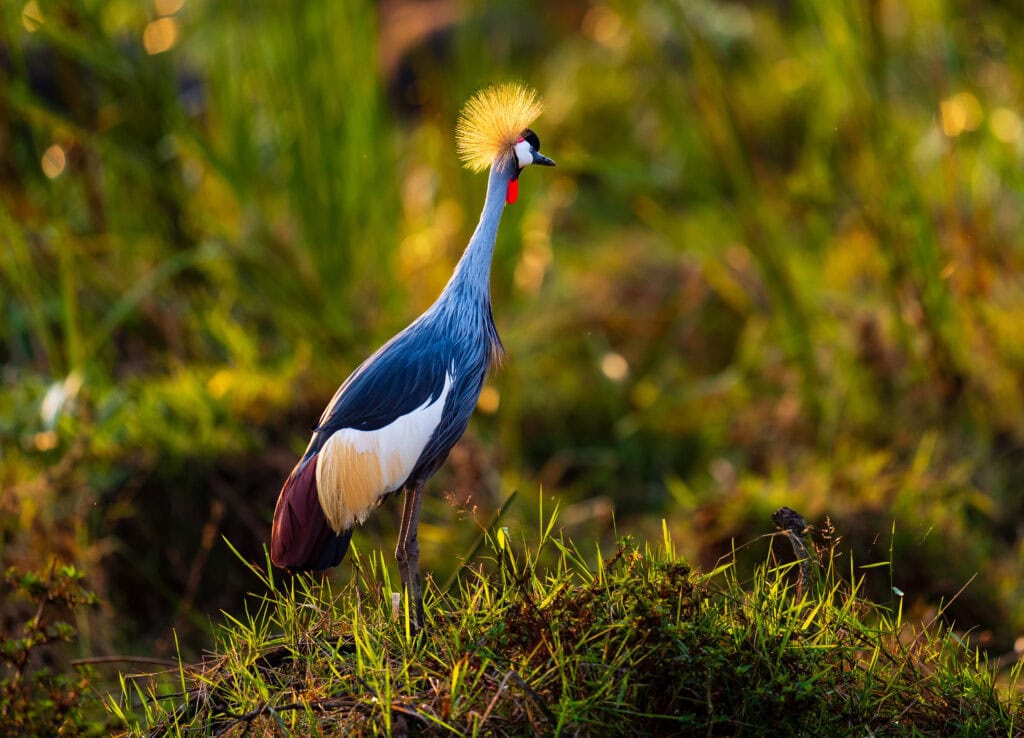
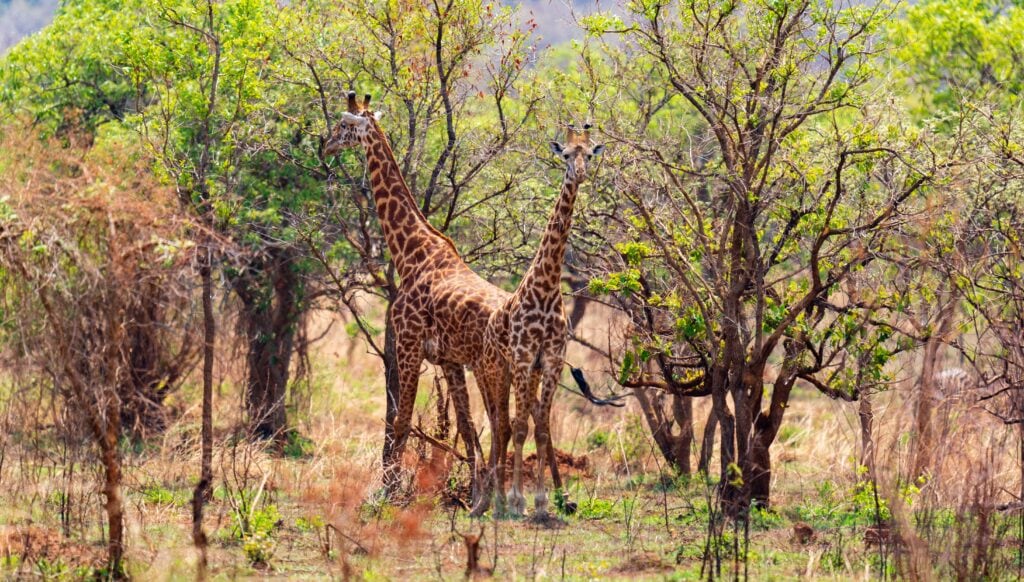
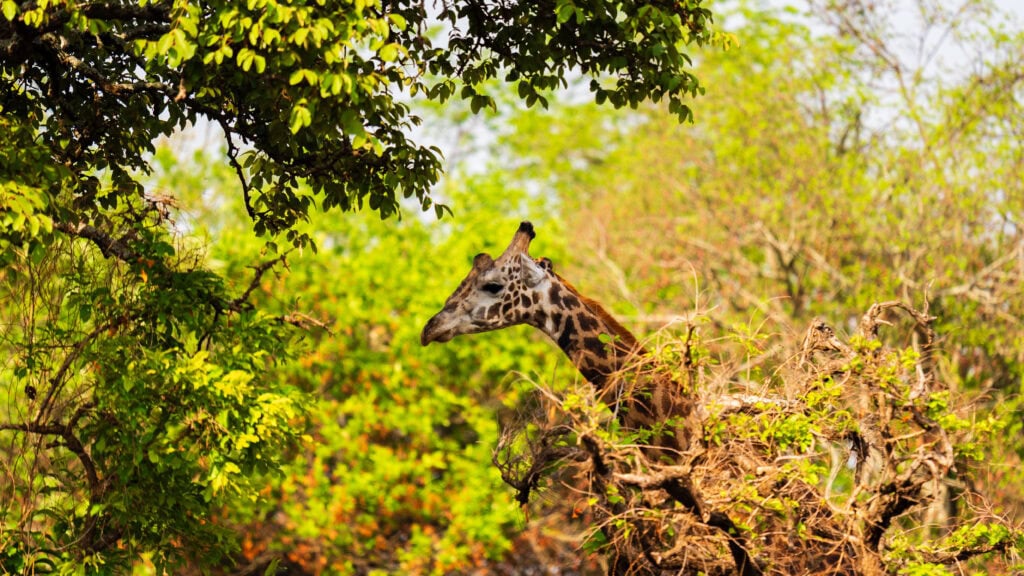
Now, closer to the lake, we found more wildlife. The first were two giraffes, partially covered by the leaves they were munching on. Even further back were zebras. From our vantage point, they were hardly more than specks.
As we watched the giraffes, another guide told us there were elephants behind us. Literally, where we had driven by 10 minutes early, but hadn’t seen anything. So we drove half a mile to scope it out. We still hadn’t seen elephants, and this was big on everyone’s bucket list.
As we approached, we noticed one elephant on the left side of the road. Cool. Then, on the other side, we heard more rustling in the trees. More elephants! Even cooler.
Our driver turned the car around, and we waited. I told him to turn off the car and just sit. We now had five elephants on our left, and still the single one to the right. Then the most incredible thing happened.
Elephants. So many Elephants

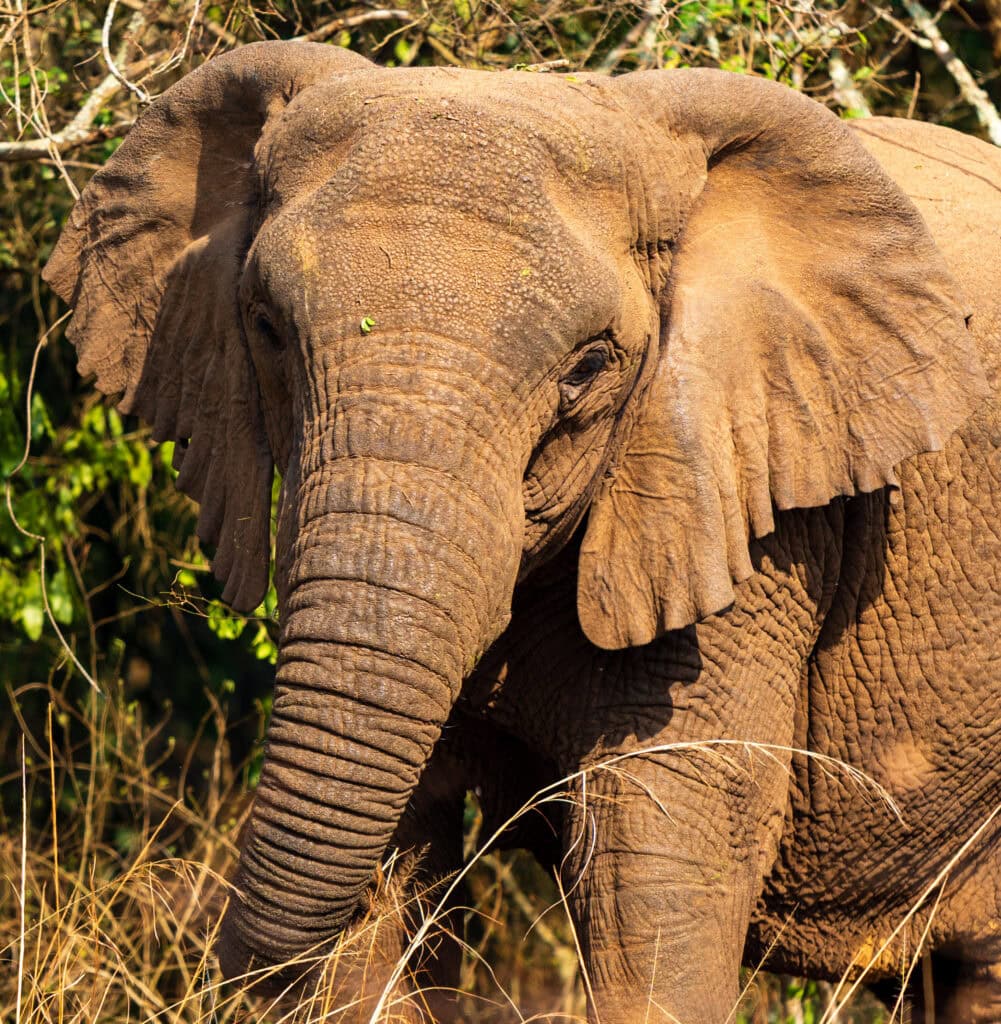
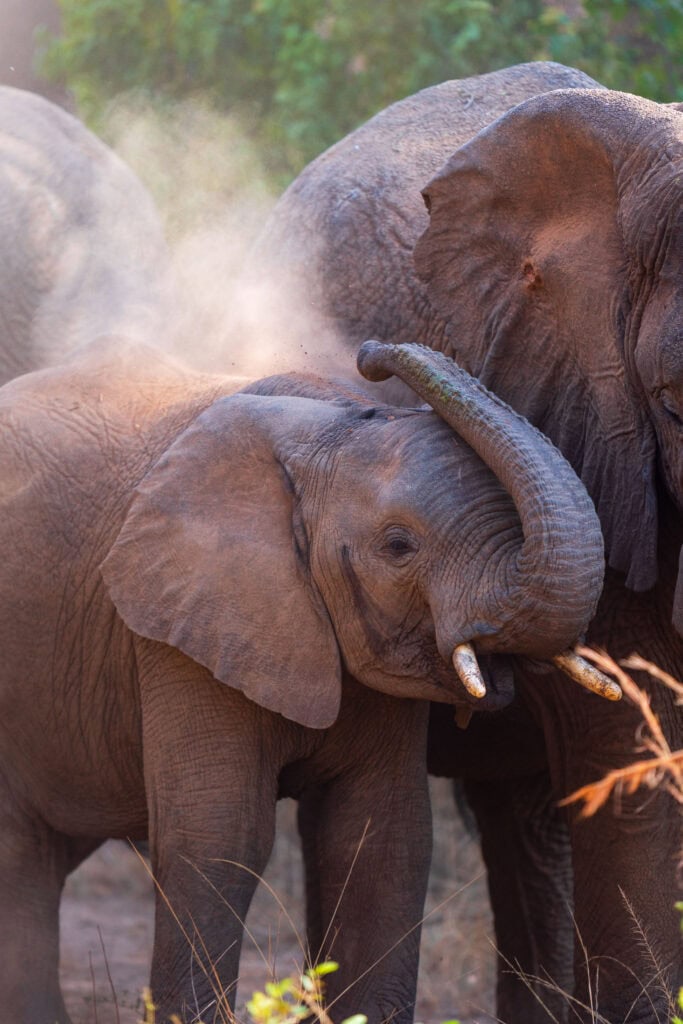
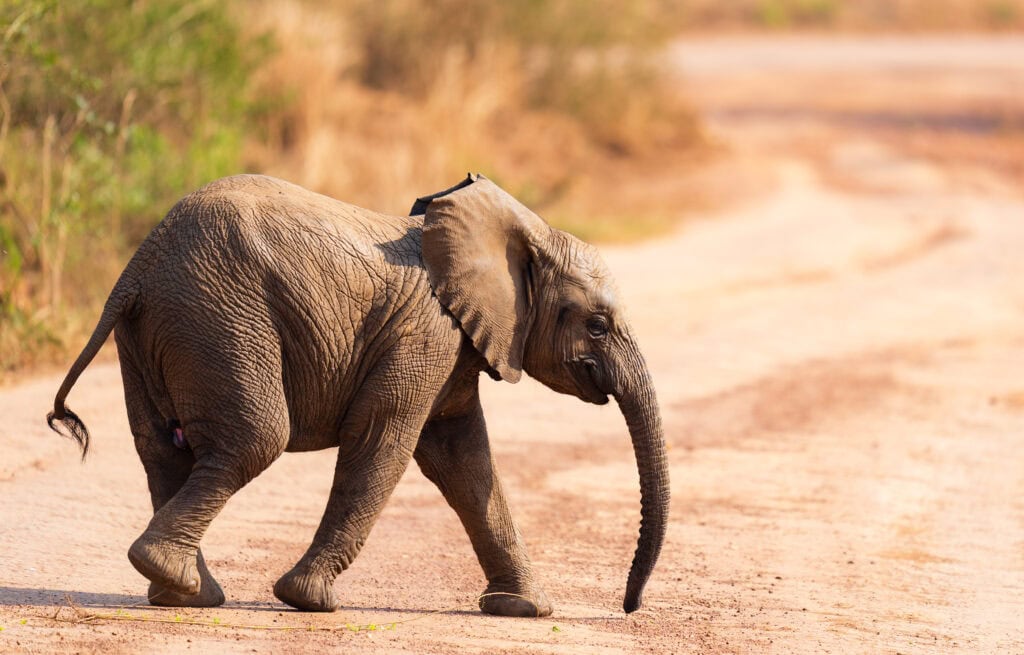
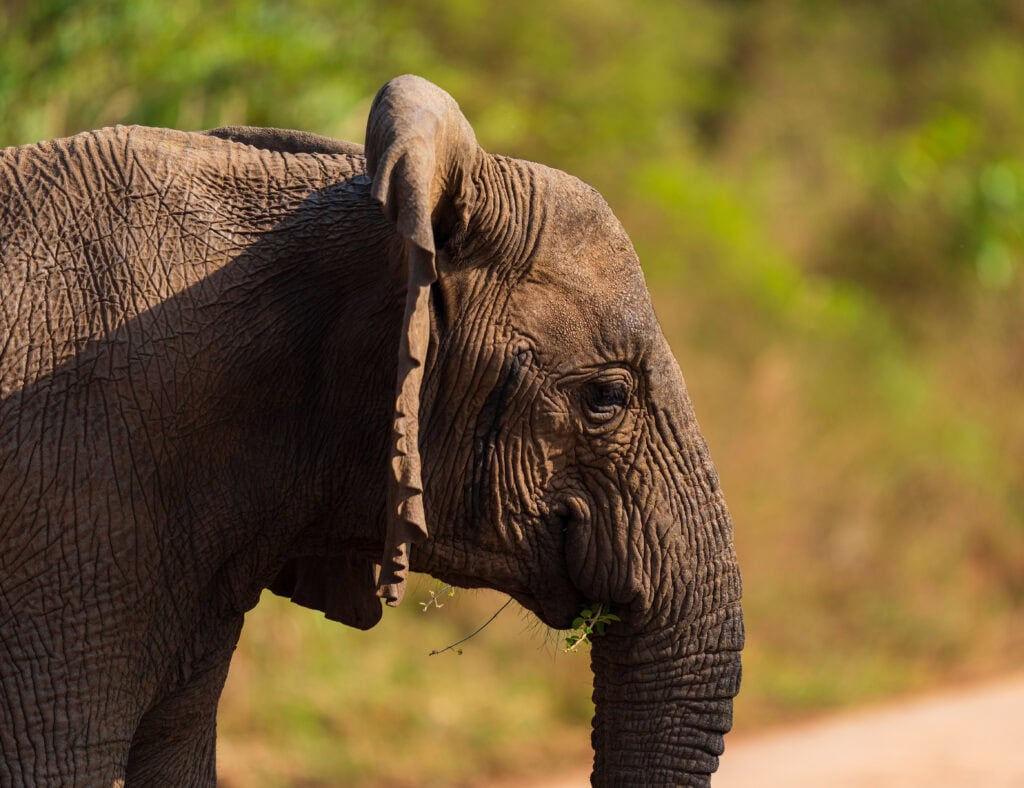
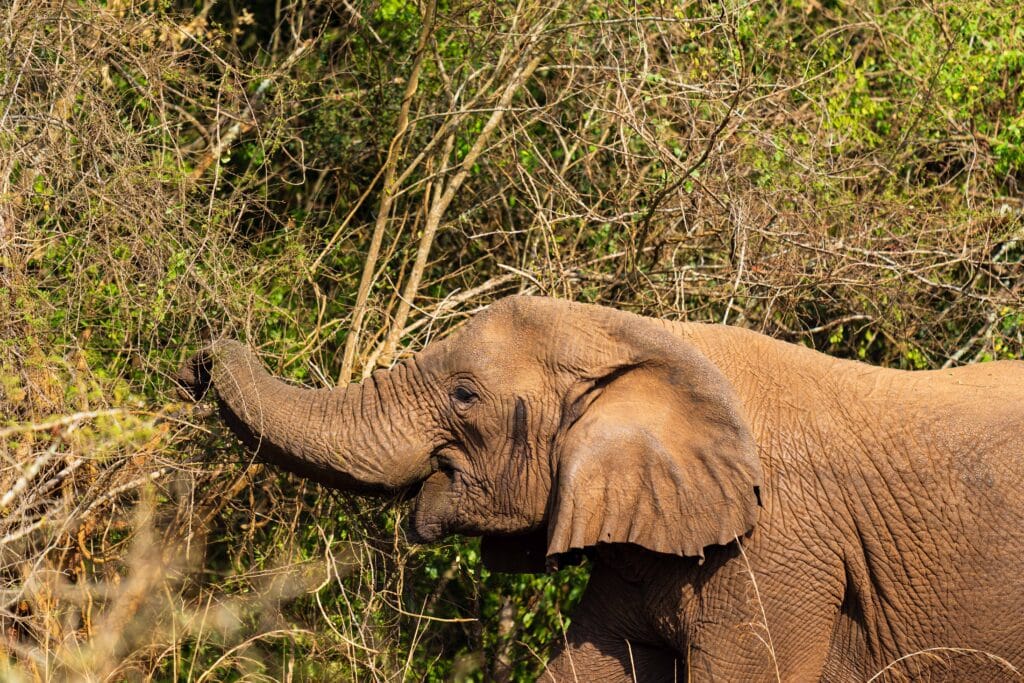
Over the next 30 minutes, over 25 elephants would cross the road in front of us. We watched with eyes wide open and jaw agape. It was phenomenal. We had full-grown adults (but none of the big tuskers), plenty of juveniles, and one baby. It was so cute!
They meandered across the road in front of us and then did a crescent moon shape, turning right to walk alongside the road before disappearing into the African bush.
Our threesome, plus our driver, was on cloud nine. Just the coolest experience you can have on an Akagera National Park Safari! And our day had just begun!
Onto Lake Ihema
A little after 9am, we arrived at the Lake Ihema boat dock for our 9am boat safari. When elephants total more than 20, you’re just late to things.
We pushed off and didn’t make it more than a quarter mile away when we spotted another elephant, this time bathing in the lake. I went into this tour calling it the “hippo tour” internally. While we didn’t end up seeing hippos, a half-submerged elephant was way more impressive.
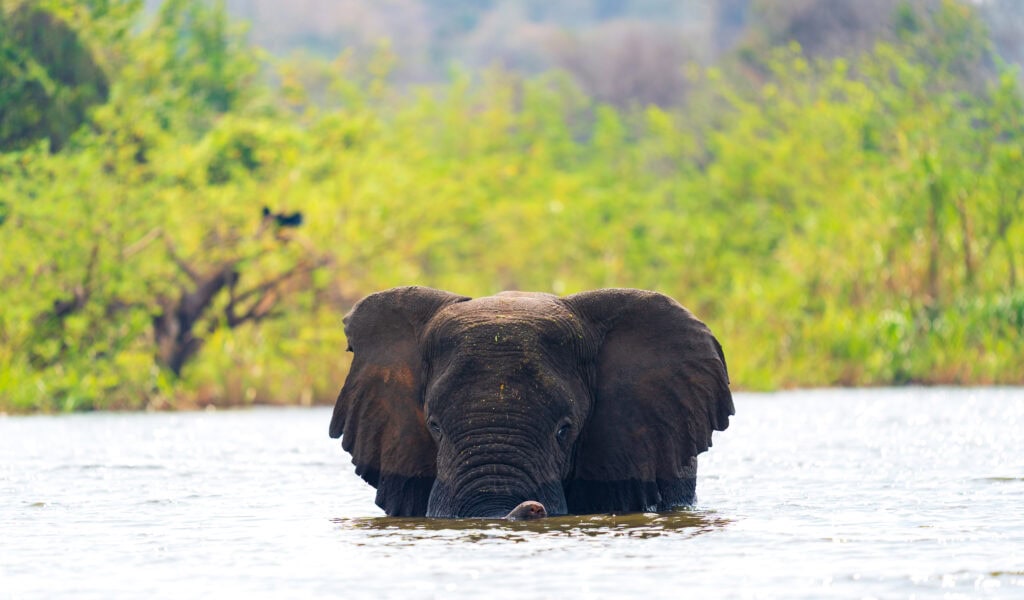
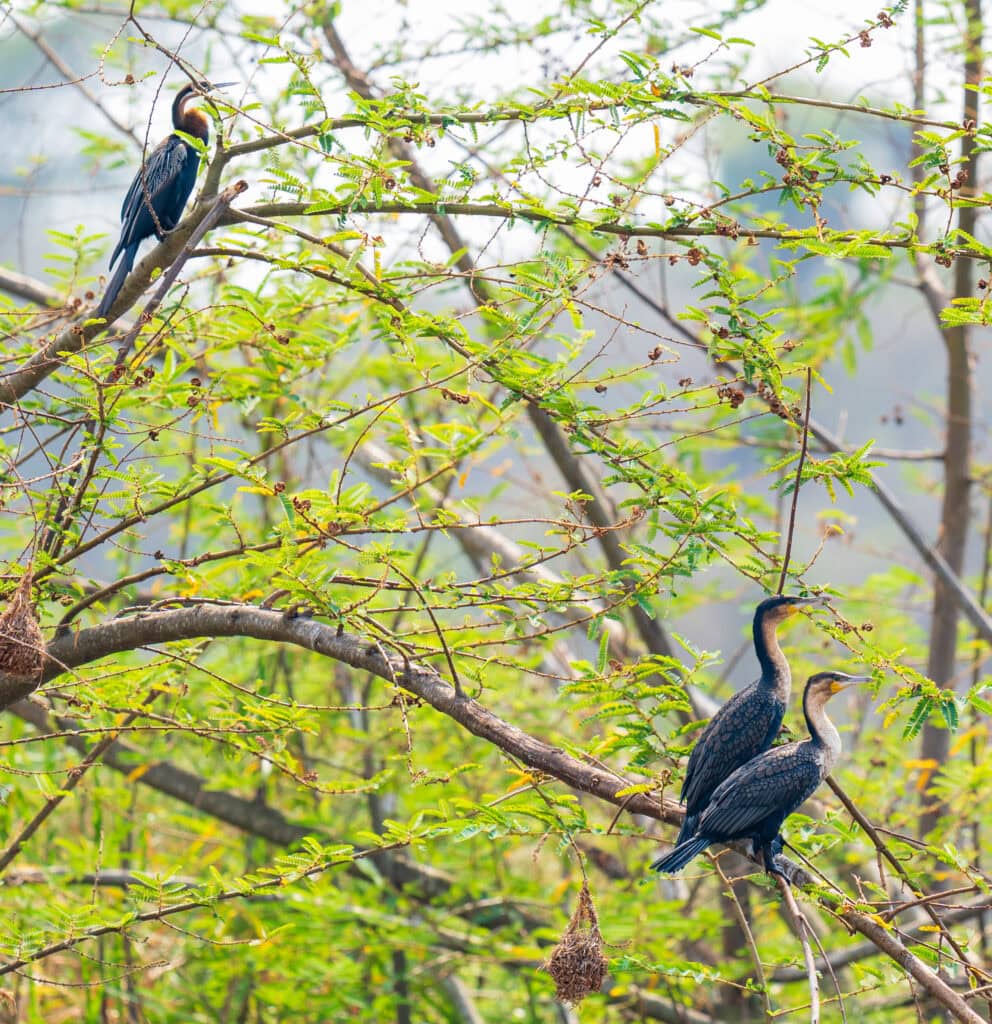
We stayed with this guy or girl (no idea) for 25 minutes. From there, our boat headed out to the nearby island. This is home to dozens of bird species and Nile Crocodiles. As soon as we drifted towards shore, we saw the various birds. (I couldn’t tell you what kind.)
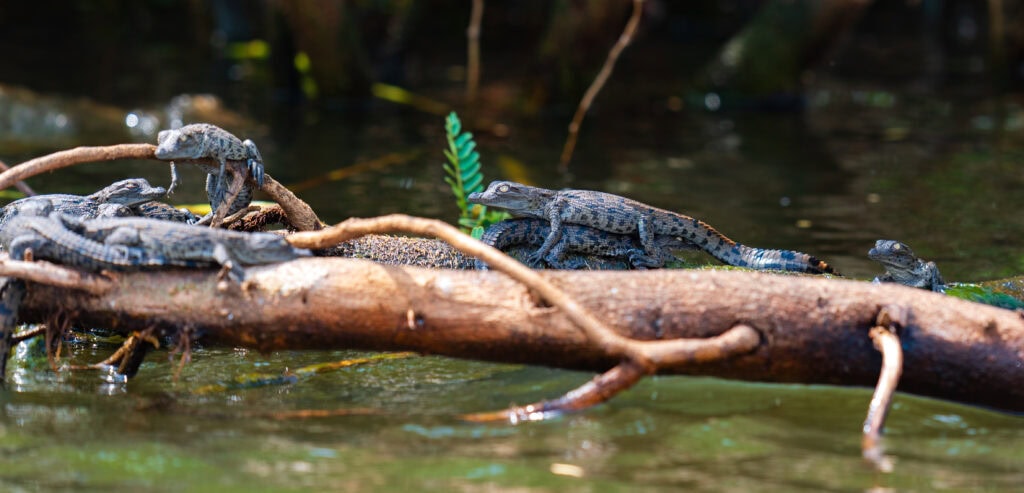
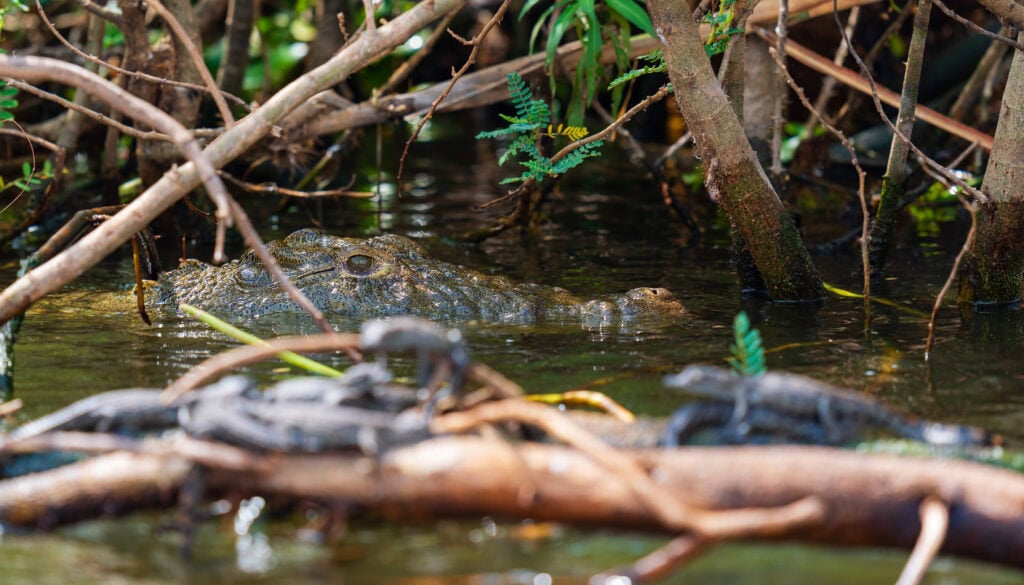
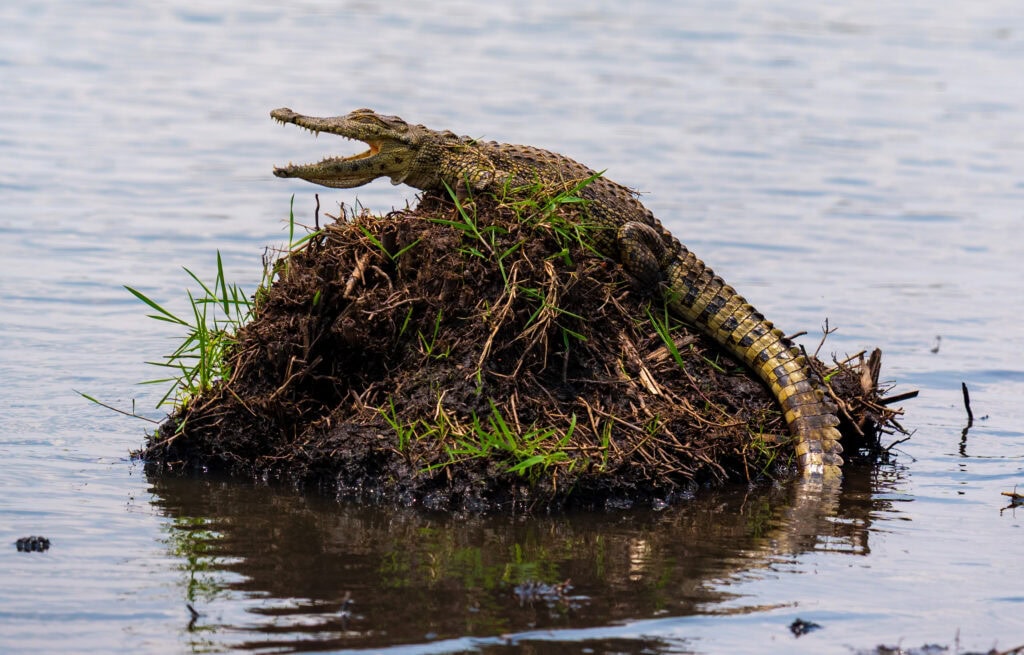
As we floated clockwise around the small island, the size of a common plot of land in your typical neighborhood, we spotted two eyes staring at us out of the water. And on the branches sticking out of the water next to her, teeny, tiny little baby crocodiles.
We learned that most baby crocodiles don’t make it to adulthood, thanks to birds of prey and other male crocs looking for a snack! And one of those male crocodiles was just around the bend, weighing in around half a ton (1,000 pounds).
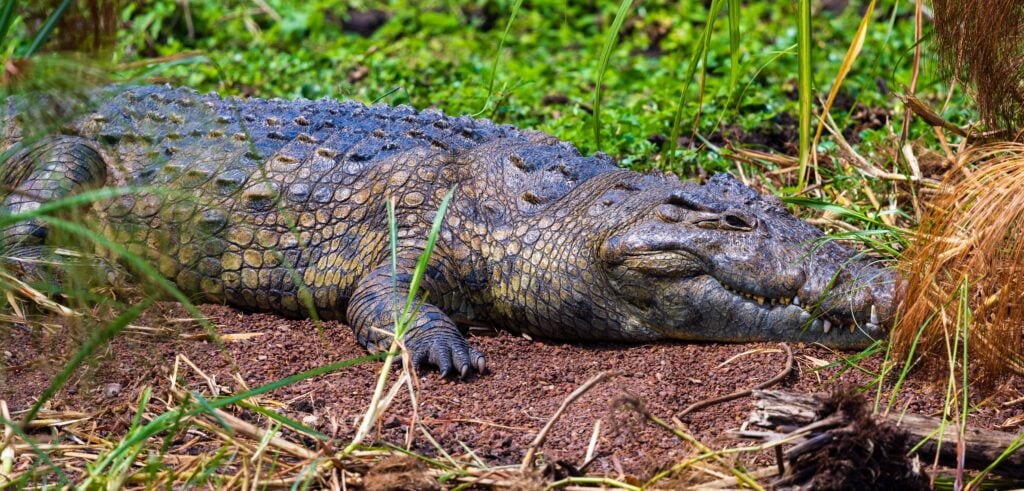
The jaws on that thing were massive. Even though we floated in its region, it didn’t move an inch as it warmed under the African sun.
This was our final stop on the Lake Ihema boat tour. Once we pushed far enough away from the shore, the engines roared to life, and we jetted back to shore.
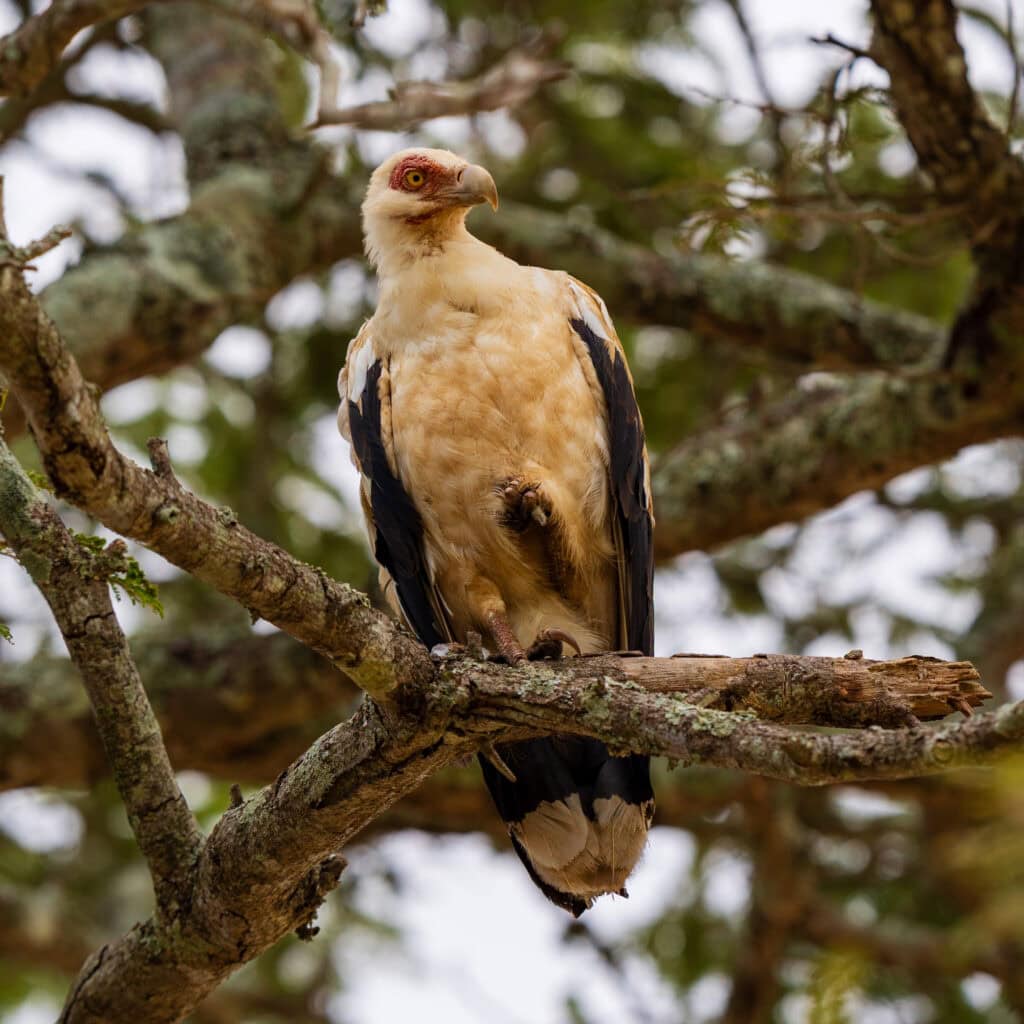
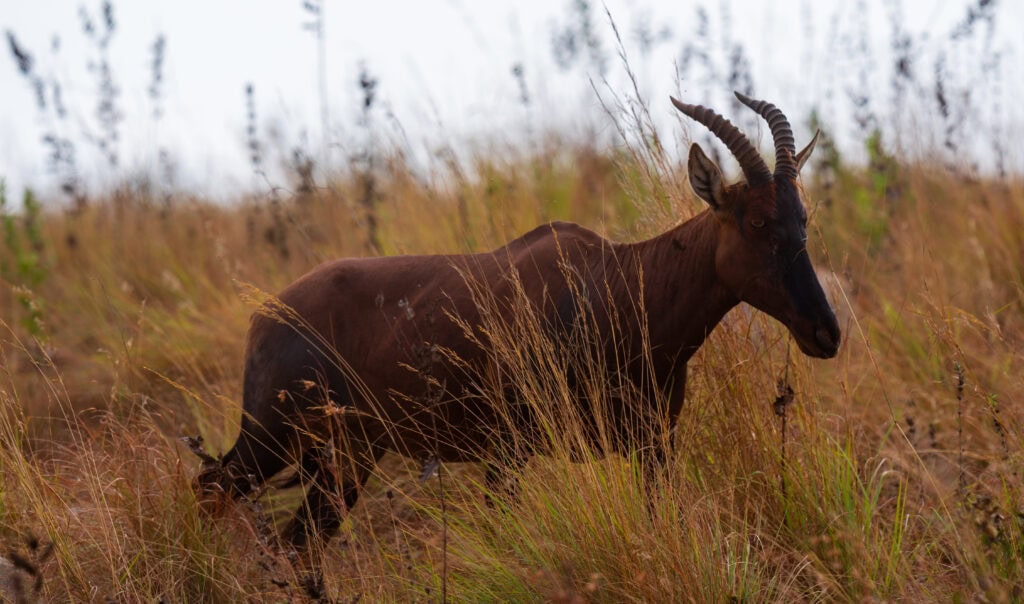
Photos from my Akagera National Park safari




Final thoughts from our two-day safari in Akagera National Park
While our safari in Akagera National Park may not have been what I had totally envisioned, the experience was still incredible. Seeing so much wildlife thriving and an ecosystem reborn showed what conservation efforts can do.
An Akagera National Park safari is 100% worth it if you plan to visit Rwanda. Coupling it with gorilla trekking, golden monkeys, or black-and-white colobus monkeys will make for an unforgettable African vacation.
Until next time, adventurers, stay safe.
Follow on social media: TikTok || Instagram || Facebook || Newsletter | YouTube